


Updated on: April 23, 2026
Reading Time: 6 minutes
TL;DR: Driver support systems are vital for long-haul truckers because they enhance safety, reduce fatigue, optimize routes, and provide essential communication tools for managing the unique challenges of extended highway travel. These systems help prevent accidents through real-time monitoring while improving operational efficiency across complex supply chain networks. Route optimization tools like Zeo Route Planner address this with AI-powered route optimization and real-time GPS tracking, helping logistics teams save 2+ hours daily.
The life of a long-haul trucker is a relentless journey, marked by endless highways, unpredictable weather, and demanding schedules. These are not just drivers, they are the backbone of global logistics operations, responsible for keeping supply chains running smoothly. But with long driving hours and constant pressure to meet delivery deadlines, long-haul trucking is a test of endurance, precision, and resilience.
In such a demanding profession, every tool that supports the truck driver matters. The route planners along with driver support systems aren’t just fancy add-ons. They’re a lifeline for drivers, ensuring their safety, efficiency, and well-being on the road. As trucking and logistics become increasingly complex, adopting these systems is essential for staying ahead in a fast-evolving industry.
Why Driver Support Systems Are Vital for Long-Haul Truckers
Unlike short-distance delivery drivers, long-haul truckers face unique challenges that require tailored solutions. Here’s why driver support systems are indispensable for them:
- Unique Stress of Long-Haul Trucking
Long-haul truckers often drive for hours without breaks, covering long distances with minimal human interaction. This leads to physical and mental fatigue, increasing the risk of accidents. According to the Federal Motor Carrier Safety Administration, driver fatigue is a contributing factor in approximately 13% of commercial motor vehicle crashes.Driver support systems address these challenges by monitoring driver behavior, alerting them about the interval time to rest, and providing tools to communicate with their peers and fleet managers to ensure their well-being.
- Navigating Complex and Unfamiliar Routes
Delivering across regions means truckers frequently encounter unfamiliar terrain, construction zones, and road restrictions. The complexity of modern logistics networks means drivers often handle multiple stops across vast geographical areas, making efficient route planning critical for operational success.Route Planners and driver support systems with advanced navigation and route optimization capabilities help truckers plan efficient paths, reducing delays and ensuring timely deliveries, even on new routes.
- Managing Emergency Situations
From breakdowns to adverse weather, emergencies are a reality in long-haul trucking. Driver support systems offer features like emergency response alerts and real-time communication tools, ensuring that help is always within reach, no matter where a driver is. - Ensuring Compliance with Safety Regulations
Long-haul trucking comes with strict regulatory requirements, from hours-of-service limits to safety standards. The Department of Transportation’s Hours of Service regulations mandate specific rest periods and driving limits to prevent fatigue-related incidents. Driver support systems simplify compliance by automatically tracking driving hours and vehicle health, helping fleets avoid penalties while prioritizing safety.
Key Benefits of Driver Support Systems for Long-Haul Truckers
Driver support systems aren’t just about ticking boxes, they are about transforming how long-haul trucking works. By combining cutting-edge technology like route planners with practical driver support systems, you can address the key pain points of long-haul trucking. Here’s how they make a difference:
- Enhanced Safety and Accident Prevention
Safety is non-negotiable in the trucking industry, especially for long-haul drivers who spend countless hours on the road. Features like collision warnings, lane-keeping assistance, and adaptive cruise control help drivers stay aware of potential hazards.These proactive tools can prevent accidents by providing timely alerts, making long journeys significantly safer. Route planners complement these features by guiding truckers along safer, well-maintained routes, further reducing risks.
- Reduced Driver Fatigue
Driver fatigue is one of the leading causes of accidents in long-haul trucking. Support systems equipped with fatigue monitoring analyze driver behavior to detect signs of exhaustion. They prompt intervals and rest breaks at critical moments, ensuring drivers remain alert.When paired with route planners that factor in rest stops while planning routes, these systems make fatigue management seamless and effective, promoting both safety and productivity.
- Optimized Routes and Fuel Efficiency
Efficiency is key in long-haul trucking, where every mile impacts profitability. Driver support systems integrated with route planners provide real-time optimized routes that minimize fuel consumption and reduce travel time.They provide the fastest route, ensuring that deliveries are both timely and cost-effective. For long-haul drivers, this means fewer delays and lower operational costs, driving better margins for the business.
- Increased Communication and On-the-Go Support
Isolation is a significant challenge for long-haul truckers, but driver support systems bridge the gap by offering real-time communication tools. These features keep drivers connected to dispatchers, roadside assistance, and fleet managers, reducing the emotional toll of long trips.Route planners enhance this connectivity by providing automated delivery updates, ensuring smoother coordination between drivers and logistics teams.
- Health Monitoring for Driver Wellness
Long-haul trucking can take a toll on a driver’s health, with sedentary hours leading to issues like obesity or stress. Modern driver support systems now include health monitoring features that track vital signs like heart rate and sleep quality. These insights help drivers manage their well-being on the road.Route planners contribute by reducing overall travel time, allowing drivers more opportunities to rest and recover, and ensuring they remain fit for the job.
Technology Integration for Modern Fleet Operations
The evolution of driver support systems has accelerated rapidly in recent years, with technology integration becoming a cornerstone of successful fleet operations. Modern systems now incorporate artificial intelligence, machine learning, and real-time data analytics to provide unprecedented levels of support and efficiency.
Fleet managers can now monitor driver performance, vehicle health, and route efficiency from centralized dashboards, enabling proactive decision-making that prevents issues before they impact operations. This technological advancement has transformed long-haul trucking from a reactive industry to a proactive one, where data-driven insights drive continuous improvement.

increase fuel savings
Save $200 on fuel, Monthly!
Optimize routes with our algorithm, reducing travel time and costs efficiently.
Get Started for Free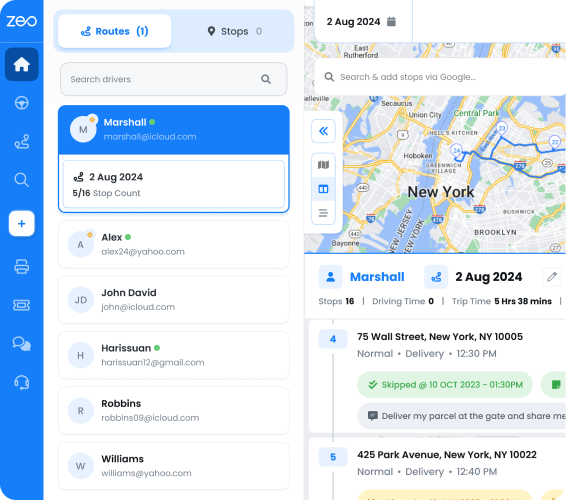
The integration of multiple systems – from GPS tracking to communication platforms – creates a comprehensive ecosystem that supports both individual drivers and fleet-wide operations. This holistic approach ensures that long-haul truckers have access to the tools they need while providing fleet managers with the visibility required to optimize operations across their entire network.
How Driver Support Systems Drive Success in the Logistics Industry
The logistics industry thrives on efficiency, safety, and reliability, qualities that driver support systems bring to the table. By integrating technology like route optimization, fatigue monitoring, and real-time communication, these systems create a seamless experience for both drivers and fleet managers.
They reduce operational costs by improving fuel efficiency and on-time deliveries, enhance driver satisfaction by addressing fatigue and isolation, and ensure compliance with safety regulations. For companies looking to optimize their fleet operations across different sectors, solutions like those detailed in comprehensive delivery optimization guides provide proven frameworks for success.
For long-haul trucking businesses, adopting these systems isn’t just about staying competitive, it’s about future-proofing operations in a rapidly evolving industry. By leveraging technology, logistics companies can build resilient, scalable, and driver-friendly fleets that excel in today’s demanding market. The integration of advanced route planning tools, as seen in large-scale government operations, demonstrates the significant cost savings and efficiency improvements possible with the right technology implementation.
Conclusion
Long-haul trucking has never been more rewarding with the right tools at hand. Driver Support Systems are no longer an option but a necessity for ensuring safety, efficiency, and driver well-being.
Whether it’s reducing fatigue, optimizing routes, or providing emergency support, these systems redefine how trucking operates in a modern, technology-driven world. Smart route planners can make driver management effective and provide that extra nudge required to support drivers and ensure their efficiency and well-being.
If you’re ready to transform your long-haul trucking operations and empower your Driver Support Systems, it’s time to explore cutting-edge solutions like Zeo Route Planner.
Schedule a demo with our experts today and see how Zeo can help you empower your fleet and drive success on every mile of the journey.
Frequently Asked Questions
How do driver support systems help reduce accidents in long-haul trucking?
Driver support systems reduce accidents through fatigue monitoring, collision warnings, and real-time alerts that help drivers stay aware of potential hazards during extended journeys. These systems analyze driver behavior patterns to detect signs of exhaustion and prompt necessary rest breaks, significantly improving road safety for both the driver and other motorists.
What communication features are most important for long-haul truckers?
Essential communication features include real-time messaging with dispatchers, emergency response alerts, and automated status updates to fleet managers. These tools help combat driver isolation while ensuring immediate support is available during emergencies or unexpected situations on the road.
How can route optimization specifically benefit long-haul operations?
Route optimization for long-haul operations reduces fuel costs, minimizes travel time, and helps drivers avoid construction zones or weight restrictions. Advanced systems like Zeo Route Planner use AI-powered route optimization and real-time GPS tracking to help logistics teams save 2+ hours daily while improving overall operational efficiency.
What regulatory compliance challenges do long-haul truckers face?
Long-haul truckers must comply with Hours of Service regulations, vehicle inspection requirements, and weight restrictions that vary by state and route. Support systems help automate tracking of driving hours, rest periods, and vehicle maintenance schedules to ensure compliance and avoid costly penalties.
How do modern driver support systems improve fleet management efficiency?
Modern systems provide centralized dashboards for monitoring driver performance, vehicle health, and route efficiency across entire fleets. Features like auto-assignment of stops to drivers and capacity-based routing help managers optimize operations while maintaining real-time visibility into fleet performance and driver well-being.
Are you a fleet owner?
Want to manage your drivers and deliveries easily?
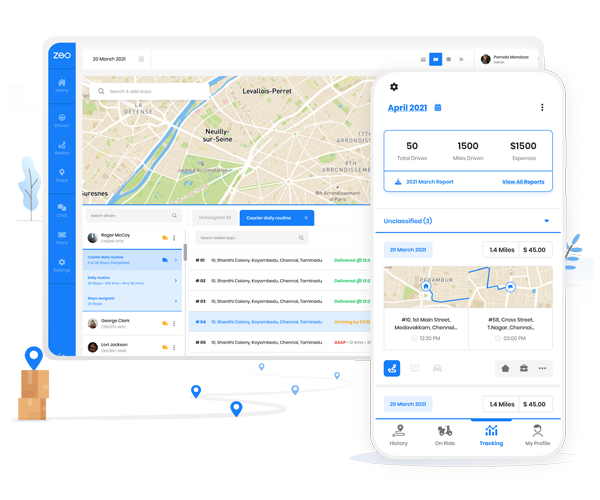
Grow your business effortlessly with Zeo Routes Planner – optimize routes and manage multiple drivers with ease.

increase fuel savings
Hassle Free Deliveries & Pickups!
Optimize routes with our algorithm, reducing travel time and costs efficiently.
Get Started for Free