
Updated on: October 23, 2026
TL;DR: Large events and catering orders need route optimization because a single wave of simultaneous deliveries with tight time windows can easily overwhelm manual planning. Businesses that switch from manual dispatch to optimized routing typically cut delivery times and fuel costs significantly while handling more stops per driver. Route optimization tools like Zeo Route Planner address this with capacity-based routing and time window constraints, helping catering and food delivery teams save 2+ hours daily.
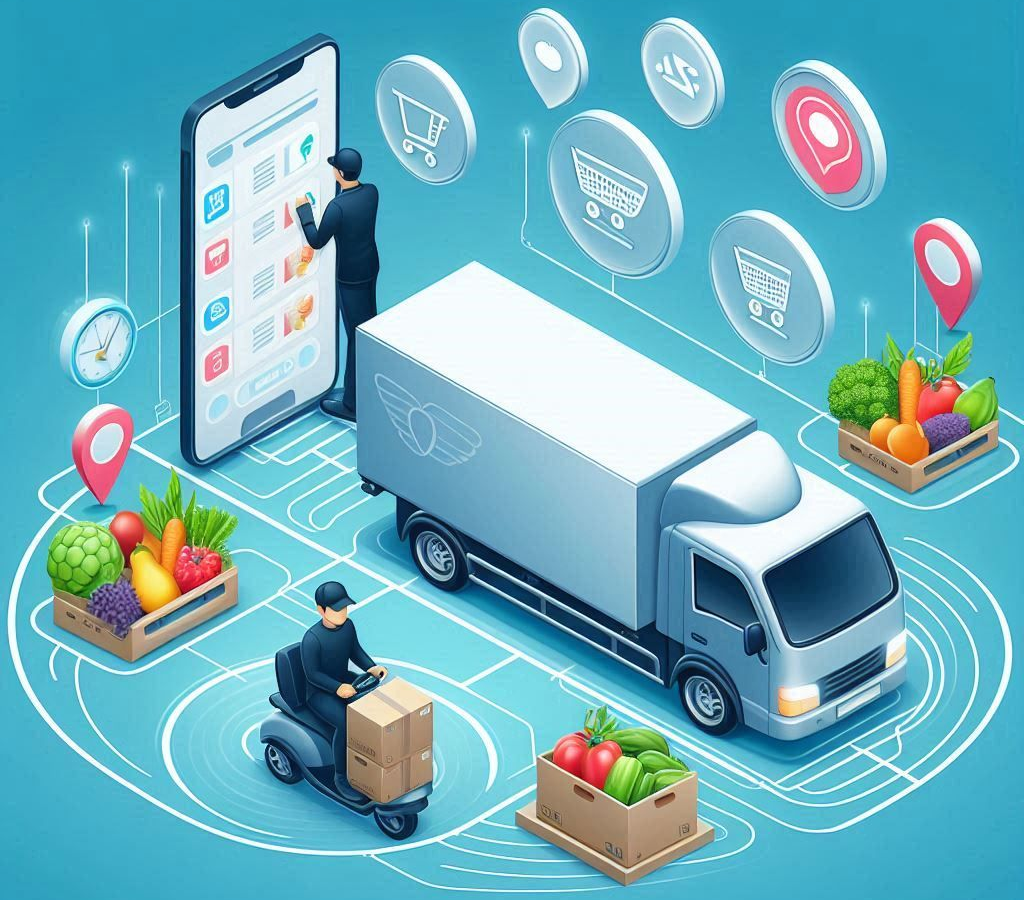
Food delivery services businesses have become increasingly popular as the food industry evolves. Planning delivery routes is an important issue that directly influences the success of food businesses. Thus, route optimization is a crucial solution for service providers in the delivery sector to overcome logistical challenges.
This blog post will discuss how route optimization can help your delivery business, its benefits, and some key features of the right software for large events or catering orders.
How Route Optimization Helps Your Food Delivery Business
Route optimization boosts business efficiency and profitability by reducing waiting times, cost savings, and operational costs. It improves customer satisfaction, reduces fuel consumption, and increases delivery capacity. Route optimization software offers detailed reports on performance, driver efficiency, and overall costs, enabling informed decisions.
What is Food Delivery Route Optimization?
Food Delivery Route Optimization is a method that uses algorithms and technology to optimize routes for efficient food delivery. Route optimization software aids in planning and optimizing delivery routes, ensuring timely and optimal food delivery.
Benefits of Efficient Route Planning in the Food Industry
Effective route planning is vital in the food logistics & delivery industry for several reasons. It directly impacts delivery timings, saves money by improving cost and fuel efficiency, and allows for efficient resource allocation, enhancing operational effectiveness. According to the U.S. Energy Information Administration, fuel costs remain one of the largest variable expenses for delivery fleets, making route efficiency a direct lever for profitability.
How Route Planning Software Optimizes Food Delivery Routes
Food delivery route optimization can be done manually or with dedicated software. Manual methods are often time-consuming and prone to errors. Now, let’s look at some benefits of using the right food delivery optimization software.
- Cost Reduction and Fuel Efficiency
Food deliveries face fuel consumption concerns, but using food delivery route optimization software optimized routes can reduce fuel consumption, leading to fewer miles traveled and less fuel burned. This reduces greenhouse gas emissions, minimizes idle times, and prevents traffic congestion, ensuring vehicles burn fuel efficiently. The U.S. Environmental Protection Agency notes that reducing idle time and unnecessary mileage are among the most effective ways fleets can lower both fuel spend and emissions.
- Guarantee Food Safety
Food safety and quality during transit are crucial for a business’s reputation and consumer health. Key practices include temperature control, hygienic packaging, fast delivery, sanitization, cleanliness, and compliance with regulations. Real-time monitoring devices and route optimization software can enhance safety by tracking food temperature and ensuring efficient routes. Faster, well-planned routes reduce the time food spends in transit, which directly supports the safety practices outlined by the FDA’s food safety guidelines.
- Efficient Resource Allocation
The food delivery optimization software optimizes resource allocation by considering vehicle capacity, delivery time frames, and driver availability, resulting in optimal productivity and reduced operating expenses for food enterprises.
Why Large Events and Catering Orders Need Specialized Route Planning
Catering and large-event deliveries differ from everyday food delivery in important ways. Instead of a steady trickle of individual orders, caterers often face a single large wave of deliveries that must all arrive within a narrow window — think wedding receptions, corporate lunches, or multi-location office catering runs scheduled for the same hour. This creates unique planning challenges that standard delivery workflows aren’t built to handle.
First, vehicle capacity becomes a bigger constraint. A catering van loaded with chafing dishes, beverage containers, and bulk trays has less flexibility than a car carrying a few bagged orders, so routes need to account for weight and volume limits rather than just stop count. Second, time windows are far less forgiving — a catering delivery that’s 30 minutes late to a wedding can be a bigger problem than a 10-minute delay on a lunch order. Third, large events frequently require multiple drivers working from the same prep kitchen or commissary, which means stops need to be split intelligently across a team rather than planned one route at a time.
Handling Multi-Driver Coordination for Big Events
When a single event requires several vehicles — for example, delivering food to multiple stations at a festival or multiple floors of a conference center — route planning software needs to assign stops to the right driver automatically based on skills, vehicle type, and proximity. This kind of auto-assignment reduces the back-and-forth of manual dispatching and ensures no stop gets forgotten during a hectic event day. Skill-based assignment also matters when certain drivers are designated for VIP deliveries or time-sensitive drop-offs that can’t slip.
Managing Recurring Catering Contracts
Many catering businesses serve the same corporate clients or venues on a weekly or monthly basis. Scheduled and recurring routes let businesses set up a delivery pattern once and reuse it, rather than rebuilding the same route from scratch every time. For caterers who occasionally need to pause a contract — say, a client’s office is closed for a holiday week — the ability to temporarily skip a scheduled route without deleting the entire setup keeps recurring plans intact for when service resumes.

increase fuel savings
Save 2 Hours on Deliveries, Everyday!
Optimize routes with our algorithm, reducing travel time and costs efficiently.
Get Started for Free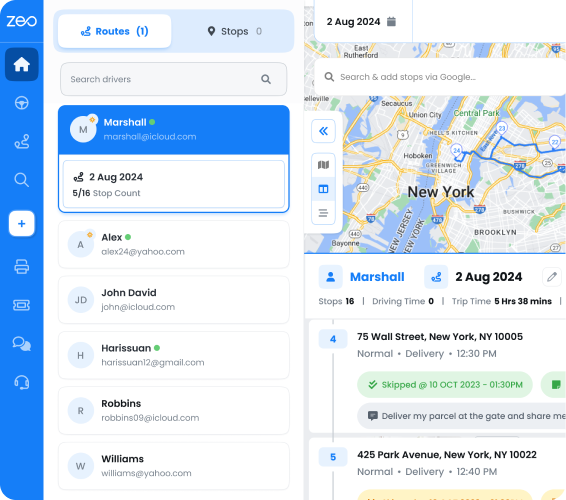
Key Features Of Zeo Route Planning Food Delivery Software
Food Route optimization software is critical in the food service sector such as catering, food distribution, and food supply chain management companies. Zeo Route Planner’s food delivery software enhances efficiency and accuracy in operations, offering key features that make it an ideal solution for food delivery businesses.
- Multi-Stop Route Optimization
Zeo route planning food delivery software efficiently handles complex delivery schedules by utilizing numerous stops in a single journey, maximizing the use of drivers’ routes. The system efficiently groups orders based on location, minimizing travel time and fuel consumption, and calculates the most efficient routes. Capacity-based routing also factors in vehicle weight and volume limits, which matters for catering loads carrying bulk trays and equipment.
- Live Route Tracking
Zeo’s live route tracking system enables real-time communication with drivers, enhancing fleet management operations. Installing GPS monitoring can save money and increase efficiency, making it a smart solution for businesses seeking cost savings and improved fleet management. Customers and event coordinators also get live ETA updates and a branded tracking link, which cuts down on “where’s my order” calls during high-pressure event days.
- Dynamic Route Adjustments
The Zeo platform enables real-time adjustments to delivery routes, considering current order pickups and customer delivery windows. Dynamic routes offer flexibility and scalability for businesses by allowing for the modification of stops and adding or removing stops as needed.
- Route Analytics and Reporting
Zeo food delivery route planning software provides route analytics and reporting tools for firms to evaluate delivery performance, identify improvement areas, and make data-driven decisions, thereby improving the delivery procedure. Reports provide visibility into route efficiency and enable necessary adjustments to ensure timely delivery to all customers.
- Easy Integration
Zeo integrates seamlessly with your systems, eliminating manual data entry, saving time, and reducing errors. You can use APIs, Zapier, and Webhooks to automate the process of importing orders and optimizing routes for delivery drivers. This increases efficiency by automatically assigning drivers based on proximity and availability.
Conclusion
Restaurants need robust technology for profitable food delivery, including order management, logistics optimization, payments, analytics, and apps, to ensure efficient operations. Zeo Route Planner is a leading food route planning software, used by businesses that achieve significant gains in competitiveness and efficiency across the food logistics industry.
For further information, you can schedule a free demo with us!
Frequently Asked Questions
How far in advance should catering deliveries be routed for a large event?
Most experienced caterers finalize delivery routes 24 to 48 hours before a large event, once final headcounts and venue details are confirmed. This gives enough buffer to account for vehicle capacity, staggered arrival windows across multiple stations, and last-minute changes without scrambling on event day.
What causes the most delays in catering and bulk food delivery?
Traffic congestion, inaccurate time estimates, and poorly sequenced stops are the leading causes of delays in catering logistics. Loading multiple large orders without accounting for vehicle capacity or venue-specific delivery windows also commonly pushes arrivals past scheduled times.
How can caterers coordinate multiple drivers delivering to one event?
Assigning drivers based on skills, vehicle capacity, and proximity to each delivery point keeps multi-driver events organized. Zeo Route Planner’s auto-assignment and skill-based driver assignment features distribute stops across a team automatically, which helps catering companies coordinate large events without manual dispatch spreadsheets.
What’s the best way to keep event clients updated on delivery timing?
Sending automated SMS or email updates with a live tracking link keeps event coordinators informed without requiring phone calls to dispatch. Zeo Route Planner’s customer notifications and live ETA updates give clients real-time visibility into arrival times, which is especially useful for time-sensitive events like weddings or corporate functions.
How do you reduce fuel costs when running multiple catering delivery routes?
Grouping deliveries by proximity, minimizing backtracking, and avoiding unnecessary idle time are the most effective ways to cut fuel costs across multiple routes. The U.S. Department of Energy estimates that excessive idling alone can waste significant fuel over time, making route sequencing and reduced idle time a direct cost-saving measure for delivery fleets.
Are you a fleet owner?
Want to manage your drivers and deliveries easily?
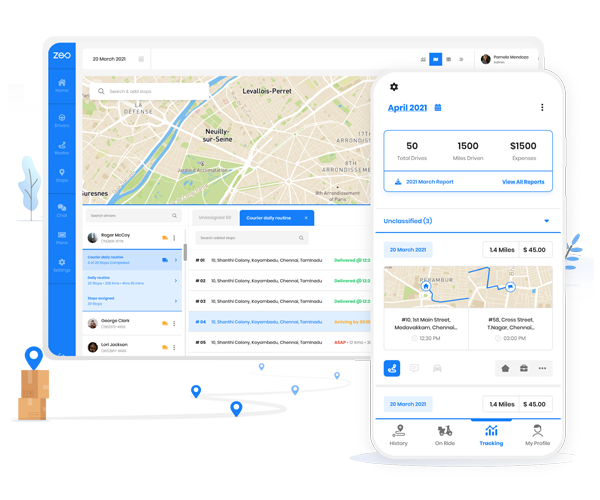
Grow your business effortlessly with Zeo Routes Planner – optimize routes and manage multiple drivers with ease.
increase fuel savings
Save 2 Hours on Deliveries, Everyday!
Optimize routes with our algorithm, reducing travel time and costs efficiently.
Get Started for Free