

Updated on: March 11, 2026
Reading Time: 3 minutes
TL;DR: Large-scale landscaping projects require coordinated logistics planning to synchronize material deliveries, equipment transport, and crew schedules across multiple job sites. Poor planning leads to costly delays and resource waste, with projects often experiencing 20-30% cost overruns due to logistics inefficiencies. Route optimization tools like Zeo Route Planner address this with AI-powered route optimization and auto-assignment of stops to drivers, helping landscaping teams save 2+ hours daily.
Logistics planning plays a crucial role in the successful execution of large-scale landscaping projects. From conceptualization to completion, these projects require meticulous organization, coordination, and resource management. Effective logistics planning ensures that materials, equipment, and manpower are strategically allocated and synchronized to maximize efficiency and productivity.
What are Landscaping Projects?
Landscaping projects refer to various activities and tasks involved in designing, creating, improving, or maintaining the outdoor areas of a property, such as gardens, yards, parks, or commercial spaces. These projects aim to enhance the aesthetic appeal, functionality, and overall environment of the outdoor space. Landscaping projects can range from simple tasks like planting flowers or mowing the lawn to more complex undertakings like installing irrigation systems, building retaining walls, or designing intricate garden layouts.
Large-scale landscaping projects present unique logistical challenges that differ significantly from smaller residential jobs. These projects often span multiple acres, require specialized heavy equipment, and involve coordinating deliveries of bulk materials like soil, mulch, stone, and plants. According to the U.S. Bureau of Labor Statistics, the landscaping services industry has grown consistently, with employment projected to grow 10% through 2031, faster than the average for all occupations.
Importance of Logistics Planning for Large-scale Landscaping Projects
Planning logistics for large-scale landscaping projects is crucial to ensure the smooth delivery and installation of materials and equipment. Effective logistics planning is important for landscaping projects due to several reasons:
-
- Resource Optimization
Effective logistics planning helps in optimizing the allocation and utilization of resources such as materials, equipment, and fleet drivers. It ensures that the right resources are available at the right time and in the right quantity, minimizing waste and maximizing efficiency. Logistics managers can assign tasks and delivery responsibilities to drivers, streamline workflows, and avoid underutilization or overburdening of resources. This becomes especially critical when managing multiple project sites simultaneously, where equipment and crews must be strategically deployed to maintain productivity across all locations. - Timely Delivery
Large-scale landscaping projects often involve multiple suppliers and subcontractors. Effective logistics planning ensures that materials and equipment are delivered to the project site on time, avoiding delays in the construction process. Timely delivery helps in abiding by the set project schedules and prevents costly disruptions. Logistics managers can use fleet management software for effective driver management and route optimization. Weather-dependent nature of landscaping work makes timing even more critical, as delayed deliveries during optimal planting seasons can significantly impact project success. - Cost Management
Effective logistics planning plays a crucial role in cost management for landscaping projects. Coordinating the procurement and delivery of materials and equipment enables cost-effective sourcing. Logistics managers can take advantage of bulk purchases, negotiate competitive rates, and avoid unnecessary expenses. It also minimizes the risk of project delays, which can lead to additional costs. The EPA’s green landscaping guidelines emphasize that proper planning can reduce material waste by up to 25%, directly impacting project profitability.
- Resource Optimization
Related Read: 14 Essential Landscaping Tools for Your Business
- Better Delivery Coordination
Every large-scale landscaping projects involve various stakeholders, including designers, contractors, subcontractors, suppliers, drivers and regulatory authorities. Effective logistics planning ensures smooth coordination of deliveries among all parties involved, facilitating clear communication, minimizing misunderstandings, and improving overall project coordination. This coordination becomes increasingly complex when dealing with living materials like plants and trees, which require immediate installation upon delivery to ensure survival. - Risk Management
Logistics planning helps identify and mitigate potential risks and challenges associated with large-scale landscaping projects. It allows for contingency planning, such as having alternative delivery routes, in case of unexpected delays, shortages, or equipment breakdowns. By proactively addressing risks, logistics planning helps minimize disruptions and keeps the project on track. Environmental factors like weather patterns, seasonal availability of materials, and site accessibility during different conditions must all be considered in comprehensive risk management strategies. - Improved Customer Satisfaction
Effective logistics planning contributes to customer satisfaction by ensuring that landscaping projects are completed within the agreed timelines, budgets, and quality expectations. It allows for the timely delivery and process completion and handover of projects, leading to satisfied clients and positive referrals for future business opportunities. Clear communication about delivery schedules and project milestones helps manage client expectations and builds trust throughout the project lifecycle.
How Zeo Route Planner Can Help in Better Logistics Planning?
Zeo route planner significantly streamlines logistics planning for large-scale landscaping projects by optimizing routes, providing real-time traffic updates, enhancing delivery accuracy, increasing visibility and control, facilitating efficient routing for multiple stops, and enabling scenario planning. It helps you enhance the efficiency and timeliness of logistics operations, ultimately improving customer experience.
- Optimized Route Planning
Zeo calculates the fastest and most efficient routes based on multiple factors, such as distance, traffic priorities, and time constraints. You can also add multiple stops and get the fastest travel route. - Better Driver Management
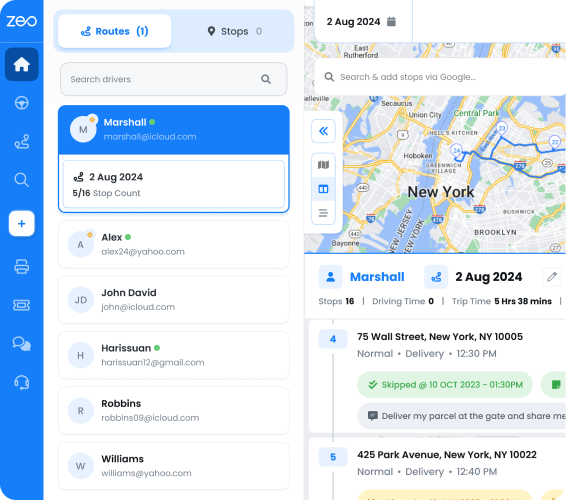
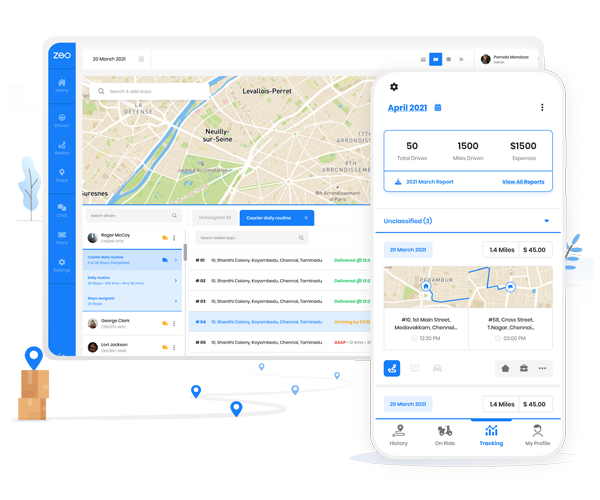
Zeo offers effective driver management features and enables you to onboard drivers within five minutes. You can upload stops, create routes and automatically assign multiple routes to drivers in a single click depending on their shift time and availability. - Advanced Route Scheduling
Managers can enjoy hassle-free scheduling for delivery routes in advance and get a complete view of driver workload. Zeo lets you add stops through search by address, google maps, lat long coordinates and also import stops via xls and URLs. Once you have added the stops, you can set the start date and time accordingly. - Updates on Delivery Status
Zeo offers proof of delivery feature to provide managers with a complete view of the delivery status. Drivers can validate the delivery confirmation through a signature, photograph or delivery note. - Real-time ETAs to Customers
The best way to earn customer trust is by offering real-time updates on the delivery progress. Zeo helps you update your customers with real-time ETAs to make tracking simple and effective. You can share your driver’s live location, route information and ETA with a single click to eliminate communication gaps and endless calls
Related Read: Reverse Logistics: Types, Stages, Benefits.

increase fuel savings
Hassle Free Deliveries & Pickups!
Optimize routes with our algorithm, reducing travel time and costs efficiently.
Get Started for Free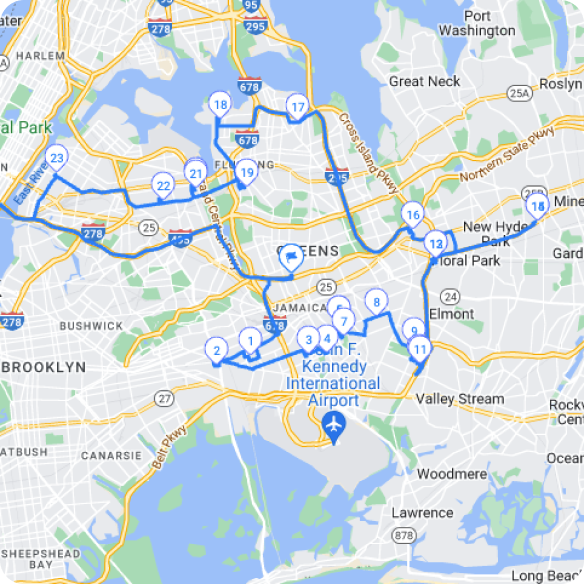
Conclusion
By carefully analyzing project requirements, planning optimized delivery routes and schedules, and streamlining transportation and storage, the logistics planning process sets the stage for a seamless landscaping project execution.
Logistics managers can leverage a robust route planner like Zeo to streamline fleet management, identify the fastest delivery routes and improve business efficiency. You can schedule a free product demo to see how easily the Zeo route planner can help you optimize routes and improve efficiency to offer a better customer experience.
Frequently Asked Questions
How do weather conditions affect landscaping project logistics?
Weather significantly impacts landscaping logistics as rain can make job sites inaccessible and extreme temperatures affect plant survival rates. Successful projects build weather contingencies into their delivery schedules and maintain flexibility in material timing to adapt to seasonal changes.
What’s the biggest cost driver in large-scale landscaping logistics?
Fuel costs and inefficient routing typically represent the largest controllable expense in landscaping logistics, often accounting for 15-20% of total project costs. Material waste from poor coordination and duplicate deliveries also creates substantial cost overruns that proper planning can eliminate.
How far in advance should landscaping materials be ordered for large projects?
Specialized materials like mature trees or custom hardscaping elements should be ordered 4-6 weeks ahead, while standard materials need 1-2 weeks lead time. Seasonal factors require even longer planning, with spring installations often requiring winter ordering to secure availability.
What permits or regulations affect landscaping deliveries?
Large landscaping projects often require delivery permits for oversized loads, especially when transporting mature trees or heavy equipment through residential areas. Municipal regulations may restrict delivery hours, require traffic control measures, and mandate specific routing to protect infrastructure and minimize community disruption.
How can route planning software help landscaping companies manage multiple job sites?
Route optimization software enables landscaping companies to coordinate deliveries across multiple active projects while minimizing travel time and fuel costs. Tools with capacity-based routing and time window constraints ensure materials arrive when crews are ready to install them, preventing expensive delays and material deterioration.
Are you a fleet owner?
Want to manage your drivers and deliveries easily?
Grow your business effortlessly with Zeo Routes Planner – optimize routes and manage multiple drivers with ease.
increase fuel savings
Save 2 Hours on Deliveries, Everyday!
Optimize routes with our algorithm, reducing travel time and costs efficiently.
Get Started for Free