

Updated on: April 7, 2026
Reading Time: 3 minutes
TL;DR: Amazon’s Hub Delivery program continues expanding partnerships with small businesses to handle last-mile delivery operations. As of 2026, the program operates in 23 states targeting 2500+ business partnerships for improved delivery efficiency. Route optimization tools like Zeo Route Planner address delivery challenges with AI-powered route optimization and real-time GPS tracking, helping logistics teams save 2+ hours daily.
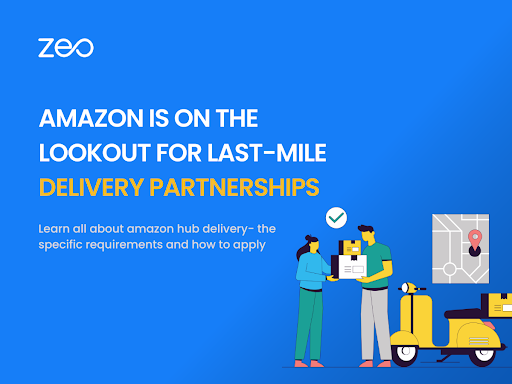
Amazon has finally launched the program they have been working on since 2020. This program is called Amazon Hub Delivery, which pays small business owners to carry out last-mile delivery for Amazon.
What is Amazon Hub Delivery?
This new program of Amazon is called Amazon Hub Delivery. With this program, Amazon aims to improve delivery efficiency and customer satisfaction. Working with third-party will also allow them to increase warehouse space and smoothen other operations.
The program is set to operate in 23 states, with large and dense cities like New York, New Jersey, Boston, and Seattle as the prime focus. As of 2026, Amazon aims to partner with at least 2500 businesses by the end of this year. They are interested in partnering with businesses like florists, coffee shops, and gas stations.
How to Become Amazon’s Delivery Partner?
If you are operating a small business, you don’t need any prior experience to enlist in the Amazon Hub Delivery Program. You just need the necessary requirements like vehicles and staff to make the deliveries effectively.
The payout is yet to be disclosed. However, Amazon stated that businesses can earn upto $27,000 a year making deliveries.
Key Challenges Facing Small Business Delivery Partners
While the Amazon Hub Delivery program presents significant opportunities, small businesses entering the delivery space face several operational challenges. Managing 30+ daily deliveries requires efficient route planning to minimize fuel costs and maximize productivity. Without proper optimization, drivers can waste hours in traffic or backtracking between delivery locations.
Communication becomes critical when handling customer expectations. Late deliveries or missed time windows can damage the partnership relationship with Amazon. Small businesses need reliable systems for tracking delivery progress and updating customers about arrival times.
Documentation and proof of service create another operational hurdle. Amazon requires delivery confirmation, and businesses must maintain accurate records for payment processing. Manual tracking methods quickly become overwhelming as delivery volumes increase.
According to the Bureau of Transportation Statistics, last-mile delivery accounts for up to 53% of total shipping costs, making operational efficiency crucial for maintaining profit margins.

increase fuel savings
Save 2 Hours on Deliveries, Everyday!
Optimize routes with our algorithm, reducing travel time and costs efficiently.
Get Started for Free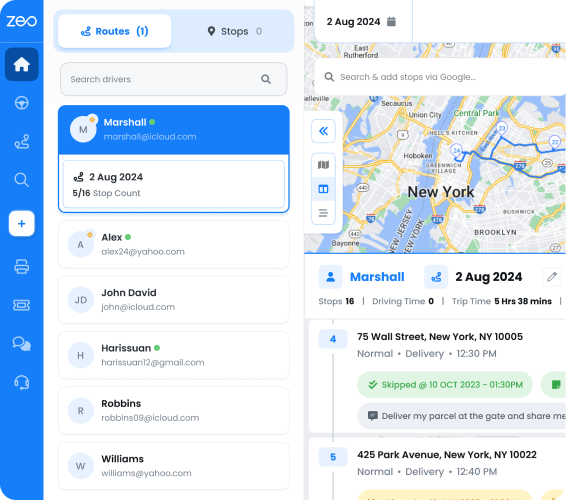
Read more: Top 5 Best Practices for Retail Deliveries in 2023
How Does Route Planning & Fleet Management Tools Help with Last-Mile Delivery?
Route planning and fleet management tools significantly aid in optimizing last-mile delivery, which involves the final stage of delivering goods to customers. These tools offer several key benefits:
- Route planning tools utilize algorithms to determine the most efficient routes, considering factors such as traffic conditions and delivery time windows. This ensures drivers take the shortest and quickest paths, reducing travel time and fuel costs.
- Fleet management tools enable real-time tracking and monitoring of vehicles, allowing dispatchers to have a clear view of the fleet’s location and performance. This visibility facilitates prompt responses to delays or changes, ensuring efficient delivery process management.
- These tools support dynamic dispatching, enabling adjustments to delivery routes and schedules on the go. This adaptability helps handle unforeseen circumstances, such as new orders or cancellations while maintaining delivery efficiency.
- Route planning and fleet management tools provide valuable analytics and reporting capabilities. By analyzing data on delivery performance and resource utilization, businesses can identify areas for improvement, enhance operational efficiency, and deliver better customer service.
Technology Solutions for Amazon Hub Delivery Partners
Small businesses joining Amazon’s delivery network benefit from implementing professional-grade logistics technology. Modern route optimization platforms automatically sequence delivery stops based on traffic patterns, time windows, and vehicle capacity constraints. This automation eliminates the guesswork from daily route planning.
Real-time GPS tracking provides visibility into driver locations and delivery progress. When delays occur, managers receive instant notifications and can proactively communicate with customers. Live ETA updates help maintain customer satisfaction even when unexpected issues arise.
Digital proof of delivery systems streamline the documentation process through photo capture and digital signatures. Drivers complete deliveries faster without paperwork delays, while businesses maintain comprehensive delivery records for Amazon reporting requirements.
The Council of Supply Chain Management Professionals reports that companies using advanced routing technology reduce delivery times by 20-30% compared to manual planning methods.
Frequently Asked Questions
- How does the Amazon Hub Delivery program work?
As a delivery partner, you will receive the packages from Amazon every morning. Then you can plan the deliveries per your operating hours and staff strength. On average, 30 packages need to be delivered daily, and the deliveries are made every day, with major holidays being the exception. - What is the eligibility for the delivery executives?
The delivery executives must be at least 18 and have valid IDs. They also need to go through a background verification check. - Where will the packages be delivered?
The packages will be delivered to your desired location. However, the package delivery area must have ample space for a 24′ box truck with a lift gate — for easy parking and unloading of items. - How to learn more about the program?
Fill out and submit the Form, and someone from Amazon will contact you. - What technology do I need to manage delivery operations efficiently?
Most successful delivery partners use route optimization software to sequence stops efficiently and tracking systems to monitor driver progress. Digital proof of delivery tools help document completed deliveries and maintain accurate records for Amazon reporting requirements.
Bottomline
The Amazon Hub Delivery program can be a great option if you want to expand your horizon. You must leverage technology to create an efficient delivery operation with great ROI.
Leveraging route planning and fleet management tools can streamline last-mile delivery operations, optimize routes, enhance fleet visibility, and enable data-driven decision-making, ultimately improving delivery efficiency and customer satisfaction.
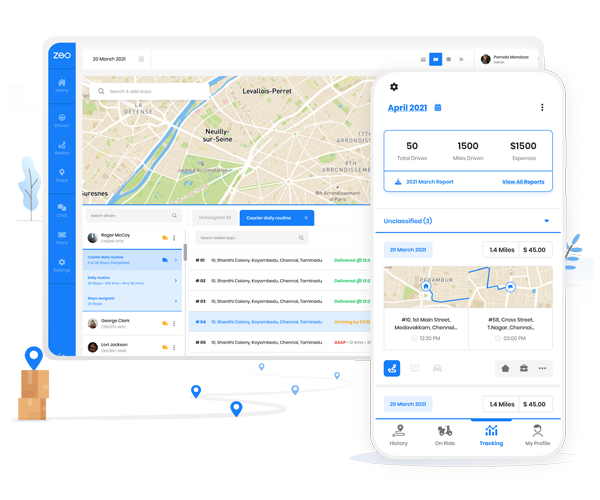
Consider checking out our products – Zeo Mobile Route Planner & Zeo Route Planner for Fleets. For a live experience, you can also book a free demo!
Are you a fleet owner?
Want to manage your drivers and deliveries easily?
Grow your business effortlessly with Zeo Routes Planner – optimize routes and manage multiple drivers with ease.

increase fuel savings
Save $200 on fuel, Monthly!
Optimize routes with our algorithm, reducing travel time and costs efficiently.
Get Started for Free