

Updated on: March 17, 2026
Reading Time: 3 minutes
TL;DR: Dispatch management streamlines operations by coordinating driver assignments, vehicle allocation, and route planning to reduce costs and improve customer satisfaction. As of 2026, businesses using proper dispatch systems report significant time savings and operational efficiency gains. AI-powered route optimization tools like Zeo Route Planner address this with auto-assignment of stops to drivers and capacity-based routing, helping delivery teams save 2+ hours daily.
A lot of work goes into ensuring that a delivery or service request is completed successfully. It can get complicated to align that the right package is allocated to the right driver & the right vehicle at the right time and that the right route is created for the delivery. Add to it the complexity of driver availability, time constraints, and driver tracking.
The complexities can quickly get multiplied as the scale of your operations increases. And that is why companies having delivery or field service operations need to use dispatch management software.
In this blog, we’ll go through what dispatch management is, why it is important, how dispatch management software can be beneficial for your business, and the best practices a dispatch manager should follow.
Let’s get started!
What is dispatch management?
Dispatch management is the process of coordinating and managing the movement of goods or services from one location to another. It involves planning, scheduling, and monitoring transportation operations, as well as assigning drivers and vehicles to specific routes and shipments.
Dispatch management is typically used by businesses that rely on transportation, such as logistics companies, delivery services, and transportation fleets.
Why dispatch management is critical in 2026
The landscape of delivery and logistics has evolved significantly, making effective dispatch management more crucial than ever. Here are the key factors driving this need:
- Increasing customer expectations
Customers are expecting faster deliveries and even same-day deliveries. Dispatch management is important to ensure that shipments can be dispatched efficiently and at a higher speed. According to a survey, 98% of the shoppers confirmed that shipping impacts brand loyalty, and 84% reported that they are unlikely to order again after just one negative experience. As of 2026, these expectations have only intensified with the growth of e-commerce and on-demand services.
Managing customer expectations and ensuring customer loyalty can get tricky without dispatch management.
Read more: How To Manage Same-Day Deliveries As A Fleet Manager - Higher pressure on the bottom line
The business environment is getting highly competitive. More and more companies are offering free deliveries. As a result, the customers are getting accustomed to it and don’t prefer buying from companies that expect them to pay delivery charges. This is shrinking the margins and putting pressure on the bottom line.However, you can improve your margins by using route optimization software to manage your dispatches better. It shall help you in saving costs and maximize the utilization of your drivers and vehicles. - Increasing driver attrition
Driver attrition is one of the key challenges faced by any company with delivery or field service operations. As of 2026, the Bureau of Labor Statistics continues to report high turnover rates in transportation and warehousing sectors. Frequent change in drivers leads to a loss of productivity. It increases not only the hiring costs but also the cost of onboarding and training new drivers. - Rising fuel and operational costs
With fluctuating fuel prices and increased operational expenses, businesses need every advantage to maintain profitability. Efficient dispatch management directly impacts fuel consumption through optimized routing and reduced vehicle idle time. - Regulatory compliance requirements
As of 2026, transportation businesses face increasing regulatory requirements around driver work hours, vehicle maintenance schedules, and delivery documentation. Proper dispatch management helps maintain compliance while ensuring operational efficiency.
What are the benefits of using dispatch management software?
- Saves planning time
Using dispatch management software helps you save planning time and effort. It helps in streamlining operations and eliminates any mistakes that may happen because of manual planning. - Optimized routes
It generates the most efficient routes considering the vehicle capacity, delivery time constraints, skill requirement of the drivers, and stop priority. This means more deliveries can be made in a day leading to an increase in revenue.Hop on a 30-minute demo call to learn how Zeo can help you optimize routes within seconds!
Read more: 5 Ways To Optimize Delivery Routes For Better Efficiency - Driver retention
Efficient dispatch management makes it easier for the drivers to carry out the deliveries. Drivers spend less time on the road and more time executing the deliveries. As a result, the drivers feel satisfied with their work. - Improves customer satisfaction
It helps in making faster deliveries to the customers improving their delivery experience. Also, providing accurate ETAs to the customers along with the tracking link adds to customer satisfaction. - Saves costs
As the drivers follow an optimized route, it helps in saving on fuel and maintenance costs. It enables optimum utilization of the drivers and vehicles leading to higher profitability. - Enhanced visibility and control
Modern dispatch management systems provide real-time tracking and monitoring capabilities, allowing managers to respond quickly to unexpected situations and keep customers informed. - Scalability for growth
As your business expands, dispatch management software can handle increased complexity without proportional increases in administrative overhead.
Key features that make dispatch management effective
When evaluating dispatch management solutions, certain features are essential for maximizing operational efficiency:

increase fuel savings
Hassle Free Deliveries & Pickups!
Optimize routes with our algorithm, reducing travel time and costs efficiently.
Get Started for Free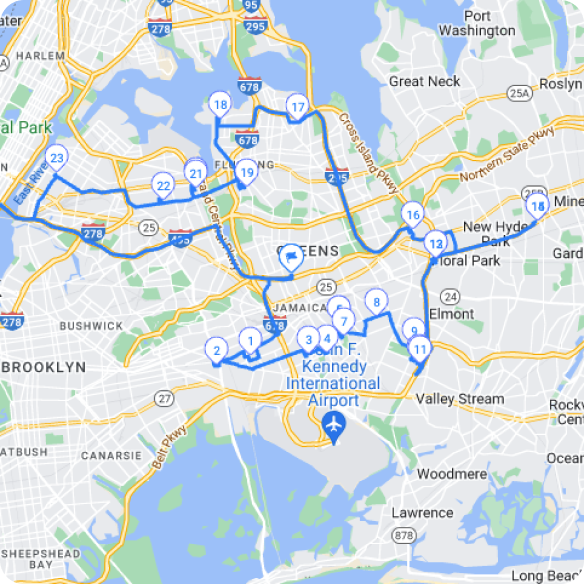
- Real-time tracking and monitoring
GPS tracking allows dispatch managers to monitor driver locations, estimated arrival times, and potential delays in real-time. - Automated route optimization
Advanced algorithms consider multiple variables including traffic patterns, vehicle capacity, time windows, and driver skills to create the most efficient routes. - Customer communication tools
Automated notifications, live tracking links, and ETA updates keep customers informed and reduce support calls. - Proof of delivery systems
Digital signatures, photo capture, and delivery notes provide documentation and reduce disputes. - Integration capabilities
The ability to connect with existing systems like CRM, inventory management, and e-commerce platforms streamlines operations.
Best practices of dispatch management
Best practices you should follow as a dispatch manager:
- Accept workloads with realistic timeframes. Do not create schedules that may be too difficult for the driver to execute. Such work schedules can leave the driver frustrated.
- Keep appropriate time gaps between the jobs or deliveries. Take into consideration any delays that may happen at a stop or on the road.
- Use dispatch management software to save time, money, and effort. The time and effort saved can be utilized towards more strategic tasks. Using software also eliminates the possibility of errors. Save money by using technology to optimize the routes.
Sign up for a free trial of Zeo Route Planner to start saving time & money right away!
- Track the drivers and status of the deliveries to ensure that the deliveries are happening as per the plan. In case of any delays, you can proactively take action to identify and fix the problem.
- Train and support your dispatch team and the drivers. This will not only help in keeping the employees happy but also result in better customer service.
- Maintain detailed records of performance metrics including delivery times, fuel consumption, and customer satisfaction scores to identify areas for improvement.
- Establish clear communication protocols between dispatch, drivers, and customers to ensure everyone stays informed throughout the delivery process.
- Regularly review and update routing strategies based on changing traffic patterns, customer locations, and seasonal demands.
Conclusion
Dispatch management is an essential component of any business that involves the transportation of goods or services. Effective dispatch management can help businesses streamline operations, reduce costs, and improve customer satisfaction. With the right dispatch management software and processes in place, businesses can achieve greater efficiency, profitability, and success!
Frequently Asked Questions
How much time can dispatch management software save daily?
Modern dispatch management software can save significant planning and coordination time through automation. Manual route planning for multiple drivers can take hours each day, while automated systems complete the same task in minutes. Advanced solutions with AI-powered optimization save teams 2+ hours daily by handling driver assignments, route calculations, and schedule adjustments automatically.
What’s the difference between dispatch management and route planning?
Route planning focuses specifically on determining the most efficient paths between stops, while dispatch management encompasses the entire coordination process. Dispatch management includes driver assignment, vehicle allocation, customer communication, real-time tracking, and handling exceptions or changes throughout the day. Route planning is one component within the broader dispatch management system.
How does real-time tracking improve dispatch operations?
Real-time GPS tracking allows dispatch managers to monitor driver locations, identify delays immediately, and provide accurate ETAs to customers. This visibility enables proactive problem-solving, such as reassigning stops when drivers encounter unexpected delays or traffic issues. Customers also benefit from live tracking links and automatic notifications about their delivery status.
Can dispatch management software integrate with e-commerce platforms?
Yes, most modern dispatch management systems offer integrations with popular e-commerce platforms like Shopify and WooCommerce. These integrations automatically import order information, customer addresses, and delivery requirements, eliminating manual data entry. Systems like Zeo Route Planner also connect with over 1000 apps through Zapier, enabling seamless workflow automation across your entire business ecosystem.
What metrics should dispatch managers track for optimal performance?
Key performance indicators include on-time delivery rates, average delivery time per stop, fuel costs per route, driver utilization rates, and customer satisfaction scores. Additional metrics like miles driven per delivery, successful first-attempt deliveries, and cost per delivery help identify optimization opportunities. Tracking these metrics consistently allows managers to spot trends and make data-driven improvements to their operations.
Are you a fleet owner?
Want to manage your drivers and deliveries easily?
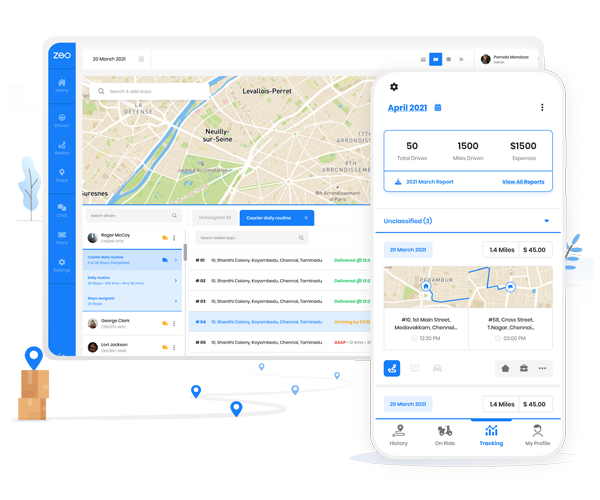
Grow your business effortlessly with Zeo Routes Planner – optimize routes and manage multiple drivers with ease.
increase fuel savings
Hassle Free Deliveries & Pickups!
Optimize routes with our algorithm, reducing travel time and costs efficiently.
Get Started for Free