



Updated on: April 20, 2026
Reading Time: 5 minutes
TL;DR: Major carriers like UPS, FedEx, DHL, and USPS typically deliver between 5:00 p.m. and 8:00 p.m., but delays from worker shortages and peak seasons affect consistency. Managing your own deliveries gives you complete control over delivery windows and customer experience. Route optimization tools like Zeo Route Planner address delivery timing challenges with AI-powered route optimization, helping delivery teams save 2+ hours daily while ensuring consistent service levels.
Rapid delivery services are essential for businesses and customers in today’s fast-paced world. Knowing the delivery timeframes of major carriers is critical for shipping. We frequently question, “How late do UPS, FedEx, DHL, and USPS deliver?”
This blog will provide useful insight into major courier businesses’ delivery timetables. In addition, we’ll look at the causes of delivery delays and the advantages of managing deliveries on your own.
How Late Do Mail Companies Deliver?
Regarding mail and package delivery, the timing can vary depending on the carrier and several other factors. Below, we’ll explore the typical delivery windows for some of the leading mail companies in the United States: FedEx, UPS, DHL, and USPS.
How Late Does FedEx Deliver
FedEx is renowned for its commitment to timely deliveries. They typically offer delivery windows that extend until 8:00 p.m. in the evening. This generous delivery time frame accommodates a wide range of schedules and ensures that your packages reach you even on a busy day.
It’s important to note that the exact delivery time can vary based on several factors. These factors may include your specific FedEx service (e.g., FedEx Express, FedEx Ground), your geographic location, and whether it’s a regular delivery day or during peak holiday seasons. For instance, during the holiday rush, FedEx may extend delivery hours to ensure all packages reach their recipients on time.
How Late Does UPS Deliver?
UPS is another reliable and well-known carrier with a commitment to timely deliveries. Their typical delivery times usually extend until 7:00 p.m. Like FedEx, UPS strives to accommodate different schedules, and the exact delivery time can vary based on factors such as the level of service you select, your delivery location, and the volume of packages they’re handling that day.
UPS also offers services like UPS My Choice, which allows you to customize your delivery preferences, providing more control over when and where your packages are delivered.
How Late Does DHL Deliver?
DHL is known for its international shipping expertise and is a popular choice for businesses with a global clientele. In most cases, DHL delivers until 8:00 p.m., making it a convenient option for those expecting international shipments or time-sensitive deliveries. However, it’s essential to note that regional variations may affect DHL’s delivery times, so it’s a good idea to check with your local DHL service provider for precise delivery details.
How Late Does USPS Deliver?
The United States Postal Service (USPS) plays a crucial role in mail and package delivery nationwide. USPS typically delivers mail and packages by 5:00 p.m. While USPS may not offer as late delivery times as private carriers like FedEx and UPS, it remains a cost-effective and widely accessible option for many people and businesses.
USPS also provides various services and delivery options, including Priority Mail and Priority Mail Express, which offer faster delivery speeds and specific delivery commitments for time-sensitive shipments.
In summary, the delivery timelines of mail companies like FedEx, UPS, DHL, and USPS can vary. Still, they all try accommodating customers’ needs by offering flexible delivery windows. Understanding these timelines can help you plan your shipments and ensure that your packages are delivered on time, meeting the expectations of both businesses and consumers.
What Causes Delay in Deliveries?
Understanding why deliveries sometimes arrive late can help you plan more effectively. Here are some common reasons behind delivery delays:
- Weather Conditions: Severe weather events like snowstorms, hurricanes, or flooding can significantly impact delivery schedules across entire regions. According to the U.S. Department of Transportation, weather-related delays account for a substantial portion of logistics disruptions annually.
- Worker Shortage: Labor shortages, especially during peak seasons, can slow down the processing and delivery of packages. The logistics industry has faced ongoing staffing challenges, with the Bureau of Labor Statistics reporting continued demand for delivery and warehouse workers.
- Increasing Orders: High order volumes, such as during holidays or sales events, can overwhelm carriers and lead to delays. E-commerce growth has intensified this challenge, with peak season volumes often exceeding normal capacity by 30-50%.
- Traffic Congestion: Urban traffic patterns and construction projects can add hours to delivery routes, particularly affecting last-mile delivery efficiency in metropolitan areas.
- No Weekend Operations: Many carriers do not operate on weekends, which can extend delivery times, particularly for packages dispatched late in the week.
- No Night Deliveries: Limited or no night-time delivery services can affect businesses that rely on evening deliveries.
Read more: The Art of Fulfilling On-Demand Deliveries
What are the Benefits of Handling Your Own Deliveries?
Considering the above-mentioned challenges, some businesses choose to manage their own deliveries. Here’s why:

increase fuel savings
Hassle Free Deliveries & Pickups!
Optimize routes with our algorithm, reducing travel time and costs efficiently.
Get Started for Free
- Cost Savings: In-house delivery operations can be cost-effective, especially for large volumes of shipment. Businesses can eliminate per-package fees and reduce overall shipping costs by 20-40% depending on delivery volume.
- Reduced Dependence: Businesses can reduce their reliance on external carriers, reducing the impact of their delays and service disruptions.
- Customization: Handling your own deliveries allows for customization of delivery windows and services tailored to your customers’ needs. You can offer same-day delivery, specific time slots, or specialized handling requirements.
- Adaptability: You have greater control over adapting to peak seasons and sudden changes in demand. Internal teams can adjust schedules, add temporary capacity, or prioritize urgent deliveries more effectively.
- Customer Satisfaction: Faster, more reliable deliveries can enhance customer satisfaction and loyalty. Direct control over the delivery experience means you can maintain consistent service quality and respond quickly to customer concerns.
- Brand Control: Managing your own deliveries allows you to maintain brand consistency throughout the entire customer experience, from order placement to final delivery.
Read more: 7 Best Delivery and Pickup Services to Start in 2023
How Technology Transforms Delivery Operations
Modern delivery management has evolved significantly with advances in route optimization technology and fleet management systems. Businesses now have access to sophisticated tools that can dramatically improve delivery efficiency and customer satisfaction.
Advanced route optimization algorithms consider multiple factors simultaneously—traffic patterns, delivery time windows, vehicle capacity constraints, and driver skills—to create the most efficient delivery sequences. This technology eliminates the guesswork and manual planning that often leads to inefficient routes and delayed deliveries.
Real-time tracking capabilities have also revolutionized customer communication. Instead of wondering when their package will arrive, customers can receive accurate ETA updates and track their delivery progress throughout the day. This transparency reduces customer service calls and improves the overall delivery experience.
For businesses considering the transition from third-party carriers to in-house delivery operations, the right technology stack becomes essential. Modern route planning solutions can help teams achieve the efficiency levels that were once only possible for large carriers with extensive resources.
Streamline Your Delivery Operations with Zeo
In conclusion, understanding the delivery timelines of UPS, FedEx, DHL, and USPS is essential for businesses and consumers. Delays can occur for various reasons, but taking control of your deliveries can offer numerous benefits. Whether you rely on established carriers or manage your own deliveries, efficient shipping is vital in today’s fast-paced world.
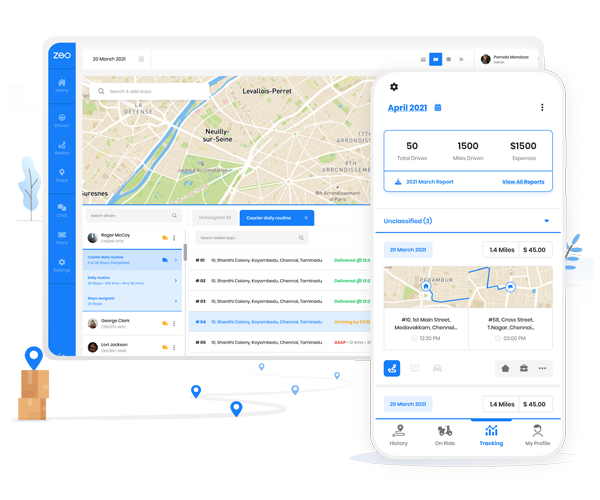
Consider using tools like Zeo Route Planner to take control of your deliveries. This software optimizes delivery routes, ensuring efficient and timely shipments to your customers. You can stay on top of your delivery game with real-time tracking and route optimization.
Schedule a free demo to learn more.
Frequently Asked Questions
What happens if I miss a delivery from UPS, FedEx, or DHL?
If you miss a delivery, most carriers will leave a notice with instructions for redelivery or pickup. UPS and FedEx typically make three delivery attempts before returning packages to the sender, while you can usually schedule redelivery online or pick up your package at a local facility. DHL offers similar services with flexible redelivery options through their customer portal.
Can I track packages from multiple carriers in one place?
Yes, many businesses use centralized tracking solutions to monitor shipments across different carriers. Some e-commerce platforms and logistics software provide unified tracking dashboards that aggregate information from UPS, FedEx, DHL, and USPS, making it easier to manage multiple shipments and keep customers informed.
Do delivery times change during peak holiday seasons?
Delivery times often extend during peak seasons like Black Friday through New Year’s due to increased package volumes. Carriers may add extra delivery days (including weekends) but also experience longer processing times. Many businesses plan for 1-2 additional days during peak periods and communicate adjusted timelines to customers proactively.
How can small businesses compete with major carrier delivery speeds?
Small businesses can often outperform major carriers in local markets by using route optimization technology and offering personalized service. Zeo Route Planner’s AI-powered route optimization and real-time tracking help local delivery teams achieve efficiency levels that save 2+ hours daily while providing more flexible delivery windows than traditional carriers.
What delivery time should I promise my customers?
Promise delivery times based on your actual capabilities rather than carrier estimates, especially during peak periods. Factor in processing time, carrier performance in your area, and potential delays. It’s better to under-promise and over-deliver—if carriers typically deliver by 7 p.m. in your area, consider promising “by end of business day” to build in buffer time for unexpected delays.
Are you a fleet owner?
Want to manage your drivers and deliveries easily?
Grow your business effortlessly with Zeo Routes Planner – optimize routes and manage multiple drivers with ease.
increase fuel savings
Hassle Free Deliveries & Pickups!
Optimize routes with our algorithm, reducing travel time and costs efficiently.
Get Started for Free