


# Cum să optimizați rutele de servicii în teren pentru telecomunicații
> Pe scurt: Optimizarea rutelor pentru serviciile de telecomunicații în teren necesită sisteme dinamice care să echilibreze întreținerea planificată cu răspunsul la situații de urgență, gestionând în același timp constrângerile legate de competențe și echipamente. Rutarea avansată reduce costurile operaționale din domeniul telecomunicațiilor cu 20-35% printr-un răspuns mai rapid la situații de urgență și o reducere a repetării rulărilor camioanelor. Instrumentele de optimizare a rutelor, precum Zeo Route Planner, abordează acest aspect cu optimizare bazată pe inteligență artificială și atribuire de șoferi bazată pe competențe, ajutând echipele de telecomunicații să economisească peste 2 ore zilnic.
Operațiunile de service în teren pentru telecomunicații se confruntă cu o provocare unică: echilibrarea lucrărilor de întreținere planificată cu întreruperile de urgență ale rețelei, gestionând în același timp echipamentele specializate și abilitățile tehnicienilor pe teritorii vaste de servicii. Învățarea modului de optimizare eficientă a rutelor de service în teren pentru telecomunicații înseamnă înțelegerea faptului că deciziile greșite de rutare nu duc doar la risipă de combustibil - ele duc la reparații întârziate, opriri multiple ale camioanelor și întreruperi ale rețelei care costă milioane de dolari.
Costurile ascunse ale rutării ineficiente a telecomunicațiilor se extind mult dincolo de cheltuielile cu vehiculele. Fiecare kilometru suplimentar parcurs înseamnă întreruperi mai lungi ale clienților, costuri sporite cu orele suplimentare și tehnicieni frustrați care jonglează cu apelurile de urgență și instalările programate.
Costurile ascunse ale planificării deficitare a rutelor de telecomunicații (de ce contează fiecare milă suplimentară)
Operațiunile de telecomunicații pe teren au mize semnificativ mai mari decât rutele de servicii tipice. Când un turn de telefonie mobilă se defectează, fiecare minut de întârziere afectează mii de clienți și generează pierderi de venituri măsurabile.
O companie de telecomunicații medie cu 25 de tehnicieni de teren pierde lunar 47,000 de dolari din cauza ineficiențelor de rutare, conform standardelor de prioritate a serviciilor de telecomunicații . Aceasta se împarte în trei categorii principale de costuri pe care managerii de operațiuni le urmăresc îndeaproape.
Multiplicarea timpilor de nefuncționare a rețelei
Rutarea deficitară transformă întreruperile de 2 ore în dezastre de 4 ore. O întrerupere a fibrei optice care afectează 5,000 de clienți business costă aproximativ 12,000 de dolari pe oră în pierderi de venituri și penalități. Când tehnicienii sosesc târziu din cauza întârzierilor de rutare, aceste costuri se dublează sau se triplează.
Înmulțirea rulării camionului
Conform studiilor din industrie , 23% din apelurile la servicii de telecomunicații necesită vizite ulterioare din cauza lipsei de echipamente sau a abilităților tehnice necorespunzătoare. Planificarea deficitară a traseului amplifică această problemă prin trimiterea de tehnicieni fără piesele sau expertiza necesare la apelurile inițiale, garantând vizite ulterioare costisitoare.
Întârzieri în răspunsul la situații de urgență
Companiile de telecomunicații se confruntă cu cerințe stricte de acorduri de nivel de serviciu (SLA), cu clauze de penalizare în medie de 500-2,000 USD pentru fiecare timp de răspuns ratat. Atunci când apelurile de urgență perturbă rutele planificate necorespunzător, tehnicienii se luptă să ajungă la întreruperile critice în cadrul intervalelor contractuale.
Efectele în lanț se extind la scorurile de satisfacție a clienților, moralul tehnicienilor și cheltuielile cu orele suplimentare. Echipele care petrec peste 3 ore zilnic în vehicule raportează rate de fluctuație a personalului cu 34% mai mari, ceea ce generează costuri suplimentare de recrutare și instruire. Urmărirea eficientă a kilometrajului ajută la cuantificarea acestor cheltuieli ascunse.
Provocări specifice rutării în telecomunicații: echipamente, competențe și răspuns la situații de urgență
Complexitatea rutării în telecomunicații provine din trei variabile interconectate pe care instrumentele standard de optimizare a rutelor se chinuie să le gestioneze simultan.
Dependențele echipamentului
Reparațiile de fibră optică necesită echipamente de sudură prin fuziune care cântăresc peste 50 kg. Întreținerea turnurilor de telefonie mobilă necesită echipamente specializate de cățărat și echipamente de testare RF. Reparațiile de cabluri subterane necesită unelte de săpat șanțuri și dispozitive de localizare.
Fiecare tip de echipament limitează numărul de tehnicieni care pot gestiona apeluri specifice. Planificatorii de rute trebuie să ia în considerare capacitatea vehiculului, disponibilitatea echipamentelor și timpul de configurare atunci când atribuie comenzi de lucru.
Constrângeri bazate pe abilități
Munca în telecomunicații acoperă mai multe specializări: tehnicieni în fibră optică, ingineri RF, specialiști în cupru și echipe de intervenție în caz de urgență. O tăiere de fibră optică nu poate fi atribuită unui specialist în cupru, indiferent de proximitatea geografică.
Rutarea bazată pe competențe devine mai complexă atunci când se iau în considerare nivelurile de certificare. Doar alpiniștii certificați pot deservi turnuri de telefonie mobilă de peste 100 de metri. Doar inginerii RF autorizați pot modifica echipamentele de transmisie.
Modele de întrerupere de urgență
Întreruperile de rețea nu respectă rutele programate. Când un excavator taie o linie principală de fibră optică la ora 14:00, trei tehnicieni ar putea necesita o reasignare imediată, perturbând programele de întreținere planificate cu atenție.
Sistemele tradiționale de rutare se prăbușesc sub aceste cerințe dinamice. Rutele statice planificate la ora 6 dimineața devin învechite până la prânz, când apelurile de urgență redirecționează jumătate din forța de muncă.
Cum să optimizați rutele de servicii în teren pentru telecomunicații: Soluții inteligente pentru sarcini de lucru mixte
Rutarea eficientă a telecomunicațiilor necesită sisteme dinamice care să echilibreze mentenanța planificată cu răspunsul la situații de urgență, respectând în același timp constrângerile de competență și echipamente.
Structuri de rute bazate pe priorități
Structurați rutele în jurul a trei niveluri de prioritate: urgență (întreruperi ale rețelei), urgentă (care afectează serviciul) și întreținere (lucrări preventive). Apelurile de urgență declanșează automat recalcularea rutei pentru tehnicienii afectați.
Planificatorul de rute Zeo gestionează acest lucru prin opriri prioritare și ajustări dinamice ale rutei. Când sosesc apeluri de urgență, dispecerii pot reatribui instantaneu cel mai apropiat tehnician calificat, redistribuind automat munca planificată către ceilalți membri ai echipei.
Potrivirea abilităților-echipament
Corelați competențele tehnicienilor cu certificările necesare și echipamentele disponibile. Creați reguli de rutare care să atribuie reparațiile de fibre doar tehnicienilor certificați în fuziune, care dețin echipamente de îmbinare.
Acest lucru previne scenariul costisitor în care tehnicienii ajung la șantiere incapabili să finalizeze lucrarea din cauza lipsei de competențe sau unelte. Validarea prealabilă reduce repetarea rulărilor camioanelor cu 31%, conform studiilor din industria telecomunicațiilor.
Optimizarea zonei geografice
Împărțiți teritoriile de servicii în zone logice pe baza tipurilor de infrastructură și a specializărilor tehnicienilor. Alocați specialiști în fibră optică în zonele cu densitate mare de fibră și tehnicieni în rețeaua celulară în regiunile cu numeroase turnuri de comunicații.
Rutarea bazată pe zone reduce timpii medii de condus, asigurând în același timp că expertiza adecvată corespunde nevoilor infrastructurii locale. Tehnicienii își dezvoltă familiaritatea cu zonele lor, îmbunătățind viteza de diagnosticare și ratele de remediere la prima încercare. Software-ul de optimizare a rutelor permite această abordare de specializare geografică.
Calculator ROI: Măsurarea impactului optimizării rutelor în operațiunile de telecomunicații
Calculele ROI pentru optimizarea rutelor de telecomunicații trebuie să includă îmbunătățiri ale timpului de funcționare a rețelei și creșterea conformității cu SLA-urile, alături de economiile tradiționale de costuri.
Economii de costuri directe (lunare)
- Reducere de combustibil (20-35%): 3,200-5,600 USD pentru o flotă cu 25 de tehnicieni
- Reducere ore suplimentare (15-25%): 8,400-14,000 USD lunar
- Reducerea răsturnării camionului (25-40%): 12,000-19,200 USD lunar
- Economii directe totale: 23,600-38,800 USD lunar
Îmbunătățiri ale disponibilității rețelei
Un răspuns mai rapid la situații de urgență reduce durata medie a întreruperilor de la 3.2 ore la 1.8 ore. Pentru companiile de telecomunicații care deservesc clienți business, această îmbunătățire previne costurile lunare de nefuncționare și penalitățile aferente acordurilor de nivel de serviciu (SLA) în valoare de 142,000 USD.
Câștiguri în conformitate cu SLA-urile
Respectarea acordurilor de nivel de serviciu (SLA) pentru intervenții în situații de urgență elimină penalizările, în medie de 1,200 USD per angajament ratat. Companiile ratează de obicei 12-18 SLA lunar din cauza întârzierilor de rutare, ceea ce reprezintă penalități evitabile de 14,400-21,600 USD.
Calculul anual al rentabilității investiției
Beneficii lunare totale: 180,000-198,400 USD
Beneficii anuale: 2,160,000-2,380,800 USD
Investiție în optimizarea rutelor: 180,000 USD (software + implementare)
Randamentul investiției în primul an: 1,100-1,220%
Aceste calcule exclud beneficiile secundare, cum ar fi satisfacția sporită a tehnicienilor, fidelizarea clienților și îmbunătățirile în ceea ce privește conformitatea cu reglementările.
Rutare avansată pentru telecomunicații: Dispecerizare bazată pe competențe și dependențe de echipamente
Sistemele avansate de rutare a serviciilor de telecomunicații trebuie să se optimizeze simultan în funcție de geografie, competențe, echipamente și constrângeri de timp, menținând în același timp flexibilitatea pentru întreruperi de urgență.
Optimizare cu constrângeri multiple
Implementați algoritmi de rutare care iau în considerare simultan locația tehnicianului, certificările competențelor, echipamentul vehiculului și volumul de muncă actual. Acest lucru previne atribuirile care par optime din punct de vedere geografic, dar eșuează din cauza lipsei de capabilități.

crește economiile de combustibil
Economisiți 2 ore la livrări, în fiecare zi!
Optimizați rutele cu algoritmul nostru, reducând eficient timpul de călătorie și costurile.
Începeți gratuit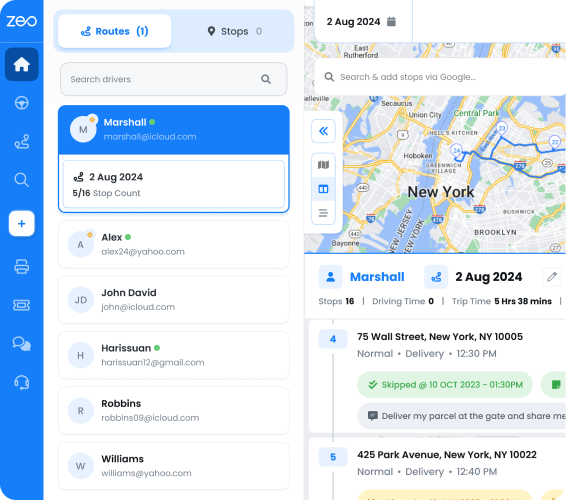
Funcția de atribuire a șoferilor bazată pe competențe a Zeo permite dispecerilor să eticheteze tehnicienii cu certificări specifice (conectare fibre, urcare pe turnuri, certificare RF) și să îi asocieze automat cu comenzile de lucru corespunzătoare.
Integrarea inventarului de echipamente
Conectați planificarea rutelor cu urmărirea echipamentelor în timp real. Atunci când planificați rute de reparare a fibrelor, sistemul ar trebui să verifice disponibilitatea aparatului de sudură prin fuziune înainte de a atribui lucrări.
Urmăriți locația echipamentelor în vehicule și depozite. Dacă vehiculul unui tehnician nu are echipamentul necesar, fie reatribuiți apelul, fie îl direcționați mai întâi printr-un depozit de echipamente.
Echilibrarea sarcinii de lucru
Distribuiți sarcinile complexe în cadrul echipei pentru a preveni blocajele de competențe. Dacă doar trei tehnicieni se ocupă de lucrările la turnuri, distribuiți mentenanța turnurilor pe parcursul mai multor zile, în loc să o grupați.
Monitorizați volumul de muncă al fiecărui tehnician în parte, atât din punct de vedere al complexității, cât și al timpului de lucru. Un tehnician care se ocupă de trei instalații complexe ar trebui să beneficieze de rute mai scurte decât cineva care efectuează mentenanță de rutină.
Adaptare în timp real
Construiți sisteme de rutare care recalculează automat atunci când apar situații de urgență. Când o întrerupere majoră necesită mai mulți tehnicieni, sistemul ar trebui să determine instantaneu cea mai bună strategie de reasignare.
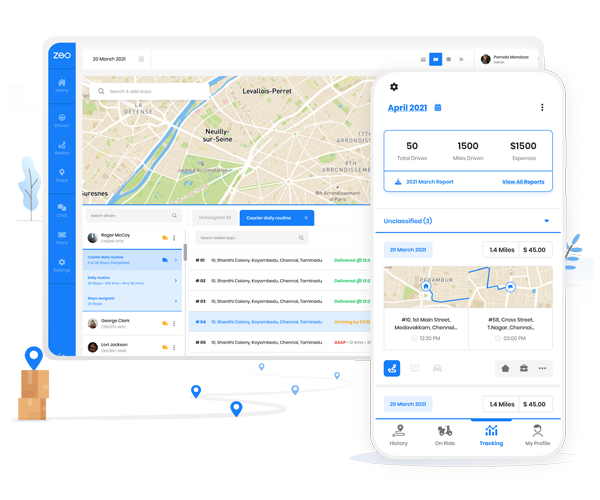
În timp ce dispecerii optimizează rutele de pe platforma web, tehnicienii de teren își primesc sarcinile prin aplicația mobilă Zeo, cu actualizări în timp real atunci când apelurile de urgență necesită ajustări ale rutei.
Strategie de integrare: Conectarea optimizării rutelor cu managementul forței de muncă în telecomunicații
Optimizarea rutelor oferă valoare maximă atunci când este integrată cu sistemele existente de gestionare a forței de muncă din domeniul telecomunicațiilor și de comenzi de lucru.
Integrarea sistemului de comenzi de lucru
Conectați optimizarea rutelor direct la sistemele de gestionare a comenzilor de lucru. Când în sistem intră noi solicitări de servicii, acestea ar trebui să completeze automat software-ul de rutare cu locația, prioritatea, cerințele de competență și nevoile de echipamente.
Zeo se integrează cu platformele de gestionare a forței de muncă prin conexiuni API și Zapier, permițând importul automat al comenzilor de lucru și actualizările de stare fără introducerea manuală a datelor.
Actualizări de stare în timp real
Implementați un flux de date bidirecțional între sistemele de rutare și cele de gestionare a forței de muncă. Atunci când tehnicienii finalizează lucrările sau întâmpină întârzieri, aceste informații ar trebui să actualizeze imediat calculele de rută pentru ceilalți membri ai echipei.
Vizibilitatea alocării resurselor
Oferiți dispecerilor vizibilitate în timp real asupra locațiilor tehnicienilor, a sarcinilor curente și a timpilor estimați de finalizare. Acest lucru permite luarea unor decizii inteligente atunci când sosesc noi apeluri de urgență.
Vizualizările tabloului de bord ar trebui să arate starea tehnicianului, progresul traseului și capacitatea disponibilă pentru sarcini de urgență. Hărțile codificate prin culori ajută dispecerii să identifice rapid cel mai bun tehnician pentru apeluri urgente. Un sistem cuprinzător de gestionare a șoferilor susține aceste cerințe de vizibilitate.
Analiza istorică a performanței
Urmăriți indicatorii de performanță ai rutării în timp pentru a identifica oportunități de îmbunătățire. Analizați tiparele privind timpii de răspuns la situații de urgență, ratele de remediere la prima intervenție și eficiența rutelor în diferite teritorii și echipe de tehnicieni.
Raportarea lunară ar trebui să includă ratele de conformitate cu SLA-urile, timpii medii de răspuns și costul per apel de service pentru a demonstra rentabilitatea investiției și a identifica oportunități de optimizare.
Protocoale de răspuns la situații de urgență: Rutare dinamică pentru întreruperi de rețea
Urgențele în rețea necesită protocoale de rutare specializate care prioritizează răspunsul rapid, minimizând în același timp perturbările activității programate, respectând cerințele de răspuns la situații de urgență stabilite de asociațiile industriale.
Detectarea automată a situațiilor de urgență
Integrați sistemele de monitorizare a rețelei cu platformele de rutare pentru a detecta automat întreruperile și a iniția protocoale de răspuns la situații de urgență. Atunci când infrastructura critică se defectează, sistemul ar trebui să identifice imediat clienții afectați și să direcționeze tehnicienii corespunzători.
Logica de reatribuire în cascadă
Dezvoltați algoritmi care reatribuie inteligent lucrările planificate atunci când tehnicienii primesc apeluri de urgență. În loc să anuleze pur și simplu programările, sistemul ar trebui să le redistribuie membrilor disponibili ai echipei, cu un impact minim asupra clienților.
Managementul echipei de răspuns la situații de urgență
Desemnați tehnicieni specifici ca personal de intervenție în caz de urgență în perioadele de risc maxim. Acești tehnicieni mențin sarcini de lucru programate mai ușoare, permițând o intervenție rapidă în caz de întreruperi critice.
Integrarea comunicării cu clienții
Notificați automat clienții afectați atunci când apelurile de urgență întârzie programările. Oferiți estimări pentru noile sosiri și opțiuni de reprogramare în funcție de disponibilitatea tehnicienilor reatribuiți.
Sistemul de notificare a clienților Zeo trimite actualizări automate prin SMS și e-mail atunci când rutele se schimbă, ținând clienții la curent fără a fi necesară intervenția dispecerului. Urmărirea GPS în timp real permite comunicări precise cu clienții în timpul realocărilor de urgență.
Protocoalele de rutare de urgență ar trebui să includă proceduri de escaladare atunci când mai multe întreruperi simultane depășesc capacitatea disponibilă a tehnicienilor. Relațiile predefinite cu contractorii și acordurile de ajutor reciproc permit scalarea rapidă a resurselor în timpul evenimentelor majore.
Cele mai eficiente sisteme de răspuns la situații de urgență echilibrează viteza cu eficiența. Deși intervenția rapidă în caz de întreruperi rămâne primordială, rutarea inteligentă asigură că răspunsurile la situații de urgență nu creează întârzieri inutile pentru alți clienți și nu cresc costurile operaționale generale.
Întrebări frecvente
Î: Care sunt principalele provocări în ceea ce privește rutarea serviciilor de telecomunicații pe teren?
Rutarea telecomunicațiilor se confruntă cu trei provocări critice: dependențele de echipamente (reparațiile fibrelor necesită echipamente de îmbinare prin fuziune), constrângerile bazate pe abilități (doar alpiniștii certificați pot deservi turnuri de peste 100 de metri) și întreruperile de urgență care perturbă programul planificat. Acești factori fac ca rutarea telecomunicațiilor să fie semnificativ mai complexă decât rutele de servicii standard.
Î: Cât pot economisi companiile de telecomunicații prin optimizarea rutelor?
O companie de telecomunicații medie cu 25 de tehnicieni de teren pierde 47,000 de dolari lunar din cauza ineficiențelor de rutare. Optimizarea rutelor bazată pe inteligență artificială a Zeo Route Planner ajută operațiunile de telecomunicații să reducă costurile cu 20-35% prin ajustări dinamice ale rutelor și alocarea tehnicienilor în funcție de competențe.
Î: Cum gestionați apelurile de urgență care perturbă rutele de telecomunicații planificate?
Rutarea eficientă a sarcinilor de urgență necesită sisteme automate de reatribuire care pot identifica instantaneu cel mai apropiat tehnician calificat, redistribuind în același timp munca planificată către ceilalți membri ai echipei. Structurile de rutare bazate pe priorități separă lucrările de urgență, cele urgente și cele de întreținere pentru a minimiza perturbările.
Î: Ce caracteristici de rutare bazate pe competențe sunt esențiale pentru operațiunile de telecomunicații?
Sistemele de rutare pentru telecomunicații trebuie să corespundă certificărilor tehnicienilor (conectare fibre optice, cățărare turnuri, licențiere RF) cu cerințele specifice ale postului. Doar tehnicienii certificați în fuziune ar trebui să se ocupe de reparațiile fibrelor optice, iar numai cățărătorii autorizați pot deservi turnurile de telefonie mobilă, evitând astfel repetițiile costisitoare ale rostogolirilor de camion.
Î: Cum măsurați rentabilitatea investiției (ROI) din optimizarea rutelor de telecomunicații?
Calculele privind rentabilitatea investiției ar trebui să includă îmbunătățiri ale timpului de funcționare a rețelei, creșterea conformității cu SLA-urile și economii directe de costuri. Un răspuns mai rapid la situații de urgență poate reduce durata medie a întreruperilor de la 3.2 ore la 1.8 ore, evitând costuri lunare de nefuncționare și penalități de 142,000 USD pentru companiile de telecomunicații care deservesc mediul de afaceri.
Ești gata să-ți transformi operațiunile de telecomunicații pe teren cu optimizarea inteligentă a rutelor? Începe versiunea de probă gratuită pentru a vedea cum Zeo poate reduce costurile operațiunilor de telecomunicații cu 20-35% prin optimizarea inteligentă a rutelor.
Sunteți proprietar de flotă?
Doriți să vă gestionați cu ușurință șoferii și livrările?
Dezvoltați-vă afacerea fără efort cu Zeo Routes Planner - optimizați rutele și gestionați mai mulți șoferi cu ușurință.
crește economiile de combustibil
Economisiți 2 ore la livrări, în fiecare zi!
Optimizați rutele cu algoritmul nostru, reducând eficient timpul de călătorie și costurile.
Începeți gratuit