



# Cum să optimizați rutele de evaluare: Ghid complet pentru a reduce timpii de răspuns cu 40%
> Pe scurt: Învățarea modului de optimizare a rutelor pentru inspectorii de daune poate reduce timpul de condus cu 30-40% și poate ajuta echipele să proceseze 2-3 daune suplimentare zilnic per inspector. Inspectorii de daune pierd 40% din zi conducând ineficient între locațiile de daune, creând întârzieri în cascadă și termene limită ratate pentru acordurile de nivel de serviciu. Platformele de optimizare a rutelor, cum ar fi Zeo Route Planner, rezolvă acest lucru cu rutare dinamică bazată pe inteligență artificială și atribuire bazată pe competențe, ajutând echipele de asigurări să economisească peste 2 ore zilnic per inspector.
Inspectorii de daune pe teren petrec aproape 40% din ziua de lucru conducând între locațiile de daune, potrivit Institutului de Informații despre Asigurări . Pentru managerii de operațiuni care supraveghează echipe mari de inspectori, acest lucru se traduce prin costuri ascunse masive și întârzieri în procesarea daunelor.
Planificarea deficitară a rutelor nu doar irosește combustibil și timp. Creează probleme în cascadă care vă afectează profitul și relațiile cu clienții atunci când aceștia au cea mai mare nevoie de dumneavoastră. Înțelegerea modului de optimizare eficientă a rutelor de către evaluatori poate transforma atât eficiența operațională, cât și satisfacția clienților.
Costul ascuns al rutelor ineficiente ale ajustatorilor: De ce eșuează planificarea manuală
Planificarea manuală a rutelor creează un efect de domino al problemelor operaționale pe care majoritatea companiilor de asigurări le subestimează.
Timpul de condus domină orele productive
Un evaluator de daune gestionează, în medie, 8-12 daune pe zi, pe teritorii care se întind pe o distanță de peste 50 de kilometri. Fără un traseu optimizat, acesta petrece 3-4 ore conducând în loc să inspecteze daunele și să servească clienții.
Asta înseamnă că plătești profesioniști calificați să stea în trafic când ar trebui să evalueze daunele materiale sau să proceseze cereri urgente.
Termenele limită SLA ratate declanșează penalizări
Reglementările privind asigurările impun timpi de răspuns specifici pentru diferite tipuri de daune. Daunele de urgență necesită adesea răspuns în aceeași zi, în timp ce daunele standard pentru bunuri necesită de obicei contact în termen de 24-48 de ore.
Când inspectorii de daune se deplasează în zig-zag între teritorii din cauza rutelor deficitare, aceștia ratează termenele limită. Răspunsurile întârziate declanșează sancțiuni de reglementare și afectează relațiile cu clienții în situații deja stresante.
Cererile de urgență perturbă întregul program de plată
Iată un scenariu comun: Evaluatorul dumneavoastră își începe ziua cu 10 inspecții programate ale proprietății în oraș. La ora 14:00, apare o daună auto de urgență care necesită un răspuns imediat.
În cazul planificării manuale, adăugarea acestei opriri de urgență creează haos. Evaluatorul fie amână toate programările rămase, fie folosește rute ineficiente pentru a gestiona cererea urgentă.
Suprapunerea teritoriilor Deșeuri Resurse
Mai mulți evaluatori de daune lucrează adesea în aceleași zone în aceeași zi, deoarece dispecerii nu au vizibilitate asupra acoperirii optime a teritoriului. Această suprapunere dublează timpul de condus și creează o uzură inutilă a vehiculului.
Optimizarea rutelor pentru evaluatorii de daune: provocări și soluții unice
Rutarea ajustatorului diferă semnificativ de optimizarea livrării standard. Înțelegerea acestor cerințe unice vă ajută să alegeți soluția potrivită.
Reclamațiile variază în funcție de complexitate și durată
Spre deosebire de opririle uniforme pentru livrări, programările cu evaluatorii au cerințe de timp extrem de diferite. O simplă intervenție la o apărătoare auto ar putea dura 30 de minute, în timp ce o evaluare complexă a daunelor materiale ar putea necesita 2-3 ore.
Sistemul dumneavoastră de rutare trebuie să țină cont de aceste durate variabile ale programărilor pentru a crea programe realiste care să nu acumuleze întârzieri pe parcursul zilei.
Cerințe pentru sarcini bazate pe competențe
Nu toți inspectorii de daune se ocupă de fiecare tip de daună. Daunele provocate de daunele provocate de accidentele de proprietăți comerciale necesită o expertiză diferită față de accidentele auto personale. Unii inspectori de daune se specializează în daune provocate de furtuni, în timp ce alții se concentrează pe cazuri de răspundere civilă.
Optimizarea eficientă a rutelor trebuie să ia în considerare specializările inspectorilor de daune la atribuirea daunelor, nu doar proximitatea geografică.
Niveluri de prioritate sensibile la timp
Cererile de despăgubire pentru asigurări funcționează pe mai multe niveluri de prioritate. Cererile de despăgubire de urgență (cum ar fi daunele provocate de apă sau accidentele de pe loc) necesită un răspuns imediat. Cererile standard pot fi programate în intervale de timp normale.
Soluția dumneavoastră de rutare trebuie să facă distincția între aceste niveluri de prioritate și să ajusteze dinamic rutele atunci când apar solicitări urgente.
Ferestre de disponibilitate a clienților
Deținătorii de polițe nu sunt întotdeauna disponibili pentru inspecțiile daunelor. Mulți lucrează în timpul programului de lucru și se pot întâlni cu inspectorii de daune doar dimineața devreme sau seara.
Conform studiului privind satisfacția clienților în materie de daune de asigurare realizat de JD Power , flexibilitatea programării are un impact semnificativ asupra scorurilor de satisfacție a clienților. Ruta dvs. trebuie să țină cont de aceste constrângeri, menținând în același timp eficiența.
Caracteristici esențiale pentru software-ul de planificare a rutelor Adjuster
Software-ul potrivit de optimizare a rutelor transformă productivitatea inspectorilor de daune prin capabilități specifice concepute pentru operațiunile de daune.
Ajustări dinamice ale rutei pentru solicitări de urgență
Când apar solicitări urgente la mijlocul zilei, sistemul dumneavoastră ar trebui să recalculeze automat rutele pentru evaluătorii afectați. Aceasta înseamnă adăugarea opririi de urgență, reducând în același timp la minimum perturbarea programărilor rămase.
Planificatorul de rute Zeo gestionează ajustările dinamice ale rutei în timp real, permițând dispecerilor să adauge solicitări urgente fără replanificare manuală. Optimizarea prin inteligență artificială găsește automat cel mai eficient punct de inserare și actualizează instantaneu ruta ajustatorului.
Atribuire automată bazată pe competențe
Platforma dumneavoastră ar trebui să potrivească automat cererile de despăgubire cu inspectorii calificați, în funcție de expertiză, locație și volum de muncă actual. Acest lucru previne atribuirea greșită a cererilor de despăgubire, care creează întârzieri și probleme de calitate.
Configurați profiluri de evaluatori cu specializări (auto, proprietăți, comercial, daune provocate de furtuni) și lăsați sistemul să gestioneze atribuirea inteligentă a daunelor în funcție de tipurile de daune și de acoperirea teritoriului.
Gestionarea ferestrelor de timp
Evaluatorii au nevoie de flexibilitate pentru a se adapta programului clienților, menținând în același timp eficiența rutelor. Căutați sisteme care optimizează rutele în funcție de intervalele de disponibilitate ale clienților, fără a crea timpi excesivi de condus.
Platforma ar trebui să ia în considerare și durate realiste ale programărilor, în funcție de complexitatea solicitărilor, prevenind programările nerealiste care duc la întârzieri constante.
Comunicare și actualizări în timp real
Evaluatorii de daune pe teren au nevoie de comunicare instantanee cu dispeceratul pentru actualizări de stare, detalii suplimentare despre daune și modificări de traseu. Clienții au nevoie, de asemenea, de notificări precise despre sosire, în special pentru daunele urgente.
Software-ul de urmărire a șoferilor de la Zeo oferă urmărire GPS în timp real cu actualizări ETA în timp real care notifică automat clienții prin SMS sau e-mail atunci când evaluătorii sunt pe drum. Această transparență îmbunătățește satisfacția în timpul situațiilor stresante de daune, ținând în același timp dispeceratul la curent cu progresul pe teren.
Documentația Dovadă a Serviciului
Procesarea cererilor de despăgubire necesită o documentație temeinică pentru conformitatea cu reglementările și prevenirea fraudei. Soluția dumneavoastră de rutare ar trebui să se integreze perfect cu colectarea dovezilor.
Captura semnăturii digitale, documentația foto și notele detaliate îi ajută pe inspectori să mențină evidențe corecte ale daunelor, eficientizând în același timp procesul de inspecție. Funcțiile de dovadă a livrării Zeo permit documentarea completă direct în aplicația mobilă.
Cum se calculează rentabilitatea investiției din rutele optimizate ale ajustatorului
Măsurarea rentabilității investiției în optimizarea rutelor ajută la justificarea investițiilor în tehnologie și la urmărirea îmbunătățirilor performanței în timp.
Calculul economiilor de costuri directe
Începeți cu indicatorii actuali de utilizare a inspectorilor de daune. Urmăriți timpul mediu zilnic de condus, kilometrajul parcurs și cererile de despăgubire procesate per inspector înainte de a implementa optimizarea.
Iată un exemplu de calcul pentru o echipă de 25 de evaluatori:
- Media actuală: 3.5 ore de condus pe evaluator zilnic
- Obiectiv de optimizare: reducere cu 30% (timp de condus de 2.5 ore)
- Economie de timp: 1 oră per evaluator zilnic = 25 de ore în total
- La un cost mediu de 35 USD/oră: economii zilnice de 875 USD = 227,500 USD anual
Adăugați economiile de combustibil (de obicei o reducere de 20-30%) și reducerile costurilor de întreținere a vehiculelor pentru un calcul complet al economiilor directe.
Impactul asupra productivității și veniturilor
Timp redus de condus înseamnă mai multe daune procesate zilnic. Dacă optimizarea ajută fiecare evaluator să gestioneze 2-3 daune suplimentare pe zi, calculați impactul asupra veniturilor pe baza taxelor medii de procesare a daunelor.

crește economiile de combustibil
Economisiți 2 ore la livrări, în fiecare zi!
Optimizați rutele cu algoritmul nostru, reducând eficient timpul de călătorie și costurile.
Începeți gratuit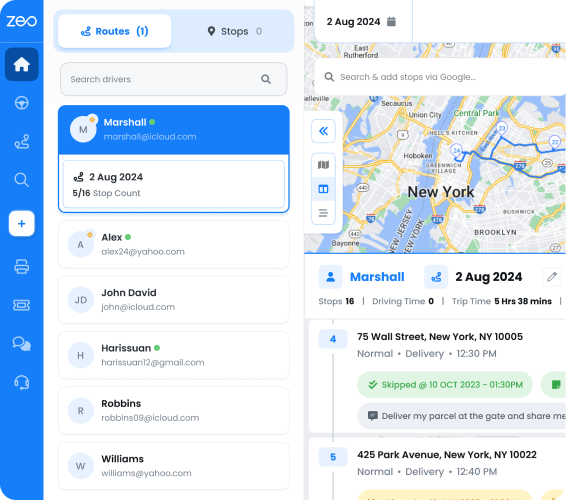
Luați în considerare ratele îmbunătățite de conformitate cu SLA-urile. Respectarea cerințelor de timp de răspuns evită penalitățile de reglementare și menține fidelizarea clienților, ambele având o valoare financiară măsurabilă.
Îmbunătățiri ale satisfacției clienților
Consiliul de Cercetare în Asigurări a constatat că scorurile de satisfacție a solicitărilor de despăgubire sunt corelate direct cu ratele de retenție ale asiguraților. Timpii de răspuns mai rapizi și notificările precise de sosire îmbunătățesc considerabil aceste scoruri.
Urmăriți rezultatele sondajelor de satisfacție înainte și după implementarea optimizării rutelor. Chiar și mici îmbunătățiri ale scorurilor de satisfacție se traduc într-o valoare semnificativă de retenție în timp.
Costurile de implementare a tehnologiei
Includeți costurile abonamentului la software, timpul de instruire și orice cheltuieli de integrare în calculul rentabilității investiției. Majoritatea platformelor software de gestionare a flotei prezintă un rentabil al investiției pozitiv în termen de 3-6 luni pentru echipe de 10+ inspectori.
Optimizarea bazată pe inteligență artificială a Zeo Route Planner economisește de obicei peste 2 ore zilnic per reglator, oferind un ROI măsurabil încă din prima lună de implementare.
Optimizarea rutelor pe mobil, prioritizând soluțiile mobile pentru evaluatorii de teren
Evaluatorii moderni au nevoie de instrumente native pentru dispozitive mobile care funcționează perfect pe teren, nu de sisteme desktop greoaie care nu se pot adapta utilizării în lumea reală.
Livrare și navigare pe rută
Evaluatorii ar trebui să primească rute optimizate direct pe dispozitivele lor mobile, cu navigare integrată pas cu pas. Sistemul ar trebui să funcționeze cu aplicația lor de navigare preferată (Google Maps, Waze sau Apple Maps), în loc să fie obligați să învețe interfețe noi.
Actualizările rutelor în timp real sunt trimise automat către dispozitivele mobile atunci când dispecerii adaugă cereri de despăgubire de urgență sau modifică programul. Acest lucru elimină confuzia și asigură că inspectorii au întotdeauna informațiile actualizate.
Accesul la informațiile despre revendicări
Aplicațiile mobile pentru rute ar trebui să afișeze detalii complete despre solicitările de despăgubire pentru fiecare oprire, inclusiv informațiile de contact ale titularului poliței, numerele de solicitare, descrierile daunelor și orice instrucțiuni speciale.
Aceste informații trebuie să fie accesibile offline, deoarece evaluătorii lucrează adesea în zone cu acoperire celulară slabă. Aplicația ar trebui să sincronizeze actualizările atunci când conectivitatea revine.
Instrumente de documentație și comunicare
Evaluatorii de daune pe teren au nevoie de instrumente mobile pentru a captura fotografii, a colecta semnături și a înregistra notele de inspecție direct în aplicația de rutare. Acest lucru simplifică documentația, menținând în același timp înregistrări corecte ale daunelor.
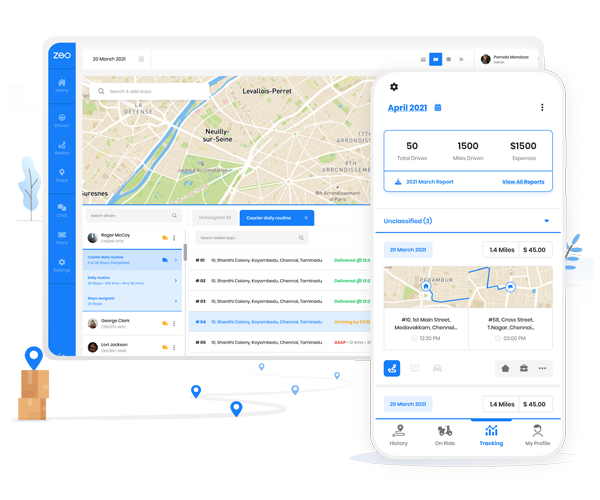
În abordarea „mobile-first”, inspectorii de daune folosesc aplicația mobilă Zeo pentru a primi actualizări de traseu, a naviga către locațiile daunelor, a captura fotografii și semnături pentru documentația daunelor și a comunica starea în timp real dispecerilor prin intermediul funcțiilor de gestionare a serviciilor pe teren.
Actualizări de stare și urmărirea progresului
Actualizările automate de stare îi țin pe dispeceri la curent cu progresul pe teren, fără a fi necesare verificări constante. Sistemul ar trebui să urmărească momentul în care inspectorii ajung la daune, finalizează inspecțiile și se deplasează la următoarea locație.
Această vizibilitate îi ajută pe dispeceri să gestioneze așteptările clienților și să identifice potențialele întârzieri înainte ca acestea să afecteze nivelurile de servicii.
Cele mai bune practici pentru planificarea rutelor pe mai multe zile și integrarea răspunsului la situații de urgență
Operațiunile de asigurare necesită atât planificare strategică pentru daunele de rutină, cât și flexibilitate tactică pentru situațiile de urgență.
Planificare săptămânală a teritoriului
Planificați săptămânal teritoriile evaluatorilor de daune în funcție de densitatea daunelor, cerințele de acoperire geografică și specializările individuale. Această perspectivă strategică ajută la echilibrarea volumului de muncă și asigură o acoperire adecvată în întreaga zonă de servicii.
Luați în considerare factorii sezonieri, cum ar fi tiparele furtunilor, creșterea numărului de călătorii în perioada sărbătorilor sau proiectele de construcții care ar putea afecta tiparele de trafic și volumul daunelor în anumite zone.
Optimizarea rutelor zilnice în cadrul cadrului strategic
Menținând în același timp alocarea săptămânală a teritoriilor, optimizați rutele zilnice pe baza noilor solicitări, a disponibilității clienților și a modificărilor de prioritate. Această abordare hibridă oferă stabilitate, maximizând în același timp eficiența zilnică.
Începeți fiecare zi cu o optimizare a rutei care ia în considerare solicitările depuse peste noapte, escaladările de prioritate și orice modificări de program față de activitățile din ziua precedentă.
Integrarea protocolului de răspuns la situații de urgență
Elaborați protocoale clare pentru gestionarea daunelor urgente care apar în timpul operațiunilor normale. Identificați evaluătorii care pot gestiona apelurile de urgență în funcție de locație, expertiză și flexibilitatea programului actual.
Sistemul dumneavoastră de rutare ar trebui să permită recalcularea instantanee a traseului în caz de urgență, găsind automat cel mai apropiat evaluator calificat și actualizând programul acestuia cu întreruperi minime.
Acoperire și flexibilitate de rezervă
Includeți flexibilitate în programul zilnic pentru situații neprevăzute. Aceasta ar putea însemna programarea la o capacitate de 85-90%, în loc să vă împachetați bagajele în fiecare minut, lăsând loc pentru solicitări urgente și întârzieri neașteptate.
Instruiți inspectorii de daune pentru mai multe tipuri de daune, atunci când este posibil, oferind mai multe opțiuni pentru repartizarea în situații de urgență și reducând blocajele atunci când specialiștii nu sunt disponibili.
Monitorizarea performanței și îmbunătățirea continuă
Urmăriți săptămânal indicatorii cheie: timpii medii de răspuns în funcție de tipul de daună, scorurile de satisfacție a clienților, ratele de utilizare a inspectorilor de daune și eficiența acoperirii teritoriului. Folosiți aceste date pentru a vă rafina strategiile de rutare în timp.
Evaluările regulate ale performanței ajută la identificarea inspectorilor de daune care ar putea necesita instruire suplimentară, a teritoriilor care necesită ajustări ale limitelor sau a proceselor care ar putea fi simplificate în continuare.
Întrebări frecvente
Î: Ce procent din ziua de azi este petrecut de un evaluator conducând între daune?
Conform datelor din industrie, inspectorii de daune petrec aproximativ 40% din ziua de lucru conducând între locațiile de daune. Aceasta se traduce în 3-4 ore zilnic pentru inspectorii care gestionează 8-12 daune pe teritorii care se întind pe o rază de peste 50 de kilometri.
Î: Cum afectează planificarea deficitară a traseului timpii de răspuns la cererile de despăgubire?
Planificarea deficitară a rutelor face ca inspectorii de daune să încalce termenele limită prevăzute în acordurile de nivel de serviciu (SLA), care necesită adesea un răspuns în aceeași zi pentru situații de urgență și contact 24-48 de ore pentru daunele standard legate de proprietăți. Răspunsurile întârziate declanșează penalități și afectează relațiile cu clienții în situațiile stresante.
Î: Poate software-ul de optimizare a rutelor să gestioneze solicitările de urgență care apar la mijlocul zilei?
Da, platformele moderne de optimizare a rutelor, precum Zeo Route Planner, oferă ajustări dinamice ale rutelor care recalculează automat rutele atunci când apar solicitări urgente, găsind cel mai eficient punct de inserare fără replanificare manuală, menținând în același timp programul de programări existent.
Î: Ce caracteristici ar trebui să caute companiile de asigurări într-un software de planificare a tranzacțiilor pentru inspectori de daune?
Caracteristicile esențiale includ ajustatori de atribuire bazați pe competențe pentru tipurile de daune corespunzătoare, gestionarea intervalelor de timp pentru disponibilitatea clienților, instrumente de comunicare în timp real și documentație de verificare a serviciului cu captură de fotografii și semnături digitale pentru conformitate.
Î: Cum calculați rentabilitatea investiției (ROI) din rutele optimizate ale ajustătorilor?
Calculați economiile directe urmărind reducerea actuală a timpului de condus (de obicei 30%), înmulțiți cu costurile orare, adăugați economiile de combustibil (reducere de 20-30%) și luați în considerare creșterea productivității obținută prin procesarea a 2-3 daune suplimentare zilnic per evaluator.
Rutarea eficientă a inspectorilor de daune transformă atât costurile operaționale, cât și satisfacția clienților în situațiile critice de daune. Combinația dintre planificarea strategică a teritoriului și optimizarea tactică a rutelor ajută companiile de asigurări să deservească clienții mai rapid, maximizând în același timp productivitatea inspectorilor de daune.
Ești gata să-ți transformi operațiunile de evaluare a daunelor? Începe o perioadă de probă gratuită pentru a vedea cum Zeo poate optimiza rutele de evaluare a daunelor și cum poate îmbunătăți timpii de răspuns la daune.
Sunteți proprietar de flotă?
Doriți să vă gestionați cu ușurință șoferii și livrările?
Dezvoltați-vă afacerea fără efort cu Zeo Routes Planner - optimizați rutele și gestionați mai mulți șoferi cu ușurință.

crește economiile de combustibil
Economisiți 200 USD la combustibil, lunar!
Optimizați rutele cu algoritmul nostru, reducând eficient timpul de călătorie și costurile.
Începeți gratuit