



# Jak skrócić czas dojazdu technika kablowego
> TL; DR: Firmy kablowe mogą skrócić czas dojazdu techników o 28% dzięki systematycznej optymalizacji tras, która łączy analizę terenu, grupowanie spotkań i dynamiczne dostosowywanie tras w przypadku połączeń alarmowych. Liderzy branży utrzymują czas dojazdu poniżej 20% całkowitej liczby godzin pracy, w porównaniu z 35% w przypadku firm o niskiej wydajności. Platformy optymalizacji tras, takie jak Zeo Route Planner, rozwiązują ten problem dzięki optymalizacji tras opartej na sztucznej inteligencji i dostosowywaniu tras w czasie rzeczywistym, pomagając zespołom serwisowym oszczędzać ponad 2 godziny dziennie.
Technicy kablowi spędzają prawie jedną trzecią swojego dnia pracy, jeżdżąc między wizytami serwisowymi, zamiast obsługiwać klientów. Ta ukryta nieefektywność pochłania budżet na pracę i ogranicza liczbę klientów, których zespół może obsłużyć każdego dnia. Inteligentni menedżerowie operacyjni odkrywają, jak skrócić czas dojazdu techników kablowi poprzez strategie routingu oparte na danych, które równoważą zaplanowane wizyty z naprawami awaryjnymi.
Rozwiązaniem nie jest samo lepsze planowanie, ale systematyczne podejście łączące technologię optymalizacji tras z narzędziami mobilnymi, które dostosowują się do rzeczywistych potrzeb usług.
Ukryty koszt czasu pracy technika kablowego: dlaczego 30% budżetu na pracę marnuje się w trasie
Twoi technicy kablowi spędzają prawdopodobnie 2-3 godziny dziennie, jeżdżąc między punktami serwisowymi. Według Dane Biura Statystyki Pracy dotyczące techników telekomunikacyjnychTechnicy telekomunikacji spędzają średnio 32% swojego czasu pracy w transporcie, co sprawia, że czas spędzony w drodze stanowi jeden z największych kosztów operacyjnych po kosztach pracy.
Oto, ile faktycznie kosztuje Twoją firmę nadmierna ilość czasu spędzonego w drodze:
Marnotrawstwo pracy:Technik zarabiający 25 dolarów za godzinę i spędzający 2.5 godziny dziennie za kierownicą generuje roczne koszty pracy w wysokości 15 625 dolarów na pracownika. Mnożąc to przez 25 techników, otrzymasz prawie 400 000 dolarów rocznie.
Koszty paliwa i pojazduŚredni koszt eksploatacji pojazdu serwisowego wynosi 0.67 USD za milę, uwzględniając paliwo, konserwację i amortyzację. Niepotrzebne kilometry szybko się sumują.
Wpływ na klienta: Złe planowanie tras oznacza mniej wizyt serwisowych dziennie. Jeśli lepsze planowanie tras pozwoli każdemu technikowi wykonać jedną dodatkową wizytę serwisową dziennie, 25-osobowy zespół wygeneruje 6,500 dodatkowych wizyt serwisowych rocznie.
Problem ten nasila się w godzinach szczytu, gdy zgłoszenia alarmowe zakłócają starannie zaplanowane trasy, zmuszając techników do wielokrotnego przekraczania granic terytorium.
Jak obliczyć obecną ilość marnowanego czasu na dojazdach (oraz wskaźniki branżowe)
Zanim zoptymalizujesz trasy, zmierz swoją bieżącą wydajność, korzystając z poniższych kluczowych wskaźników:
Średni dzienny czas jazdy: Śledź łączną liczbę godzin jazdy każdego technika dziennie. Liderzy branży utrzymują czas jazdy poniżej 20% całkowitej liczby godzin pracy, podczas gdy w przypadku firm o niskiej wydajności wskaźnik ten wynosi 35% lub więcej.
Liczba mil na wizytę serwisową: Oblicz łączną liczbę mil dziennie podzieloną przez liczbę wykonanych wizyt serwisowych. Efektywne operacje kablowe to średnio 8-12 mil na wizytę serwisową, w zależności od gęstości terenu.
Zgłoszenia serwisowe dziennieNajlepsi technicy wykonują 6-8 wezwań serwisowych dziennie na obszarach podmiejskich i 8-12 w gęsto zaludnionych obszarach miejskich. Technicy z terenów wiejskich zazwyczaj wykonują 4-6 wezwań ze względu na większe odległości.
Użyj tego prostego wzoru, aby zidentyfikować marnotrawstwo: (Bieżąca liczba godzin jazdy × Stawka godzinowa × Dni robocze × Wielkość zespołu) = Roczny koszt czasu jazdy. Porównaj to z branżowymi benchmarkami, aby określić potencjał poprawy.
Badania z Krajowe Stowarzyszenie Oficerów Telekomunikacyjnych wynika, że firmy kablowe korzystające z optymalizacji tras skracają czas dojazdu średnio o 28%, co przekłada się na znaczne oszczędności kosztów i lepszą obsługę klienta.
5-etapowy model optymalizacji trasy usług kablowych
Aby skrócić czas dojazdu techników kablowych do Twojej firmy, zastosuj poniższe systematyczne podejście:
Krok 1: Analiza terytorium i podział na strefy
Podziel swój obszar usług na logiczne strefy, uwzględniając czas dojazdu, a nie tylko granice geograficzne. Każda strefa powinna umożliwiać 6-8 wizyt serwisowych bez konieczności nadmiernego cofania się. Weź pod uwagę takie czynniki, jak natężenie ruchu, lokalizacja mostów i typowe terminy wizyt.
Krok 2: Grupowanie spotkań
Planuj spotkania w grupach geograficznych, a nie chronologicznie. Grupuj poranne spotkania w jednej strefie, a popołudniowe w sąsiednich obszarach. Zmniejsza to ryzyko jazdy zygzakiem, która marnuje czas i paliwo.
Krok 3: Optymalizacja sekwencji tras
Określ najefektywniejszą sekwencję postojów w danym regionie. Zacznij od najdalszych spotkań i kieruj się w stronę zajezdni lub skorzystaj z tras typu „hub-and-spoke” dla rozproszonych lokalizacji. Optymalizacja trasy Zeo Route Planner, oparta na sztucznej inteligencji, automatycznie ustala kolejność postojów, aby zminimalizować czas jazdy, obsługując ponad 1.5 miliona użytkowników w ponad 150 krajach.
Krok 4: Zarządzanie oknami czasowymi
Ustal realistyczne przedziały czasowe, uwzględniające złożoność usługi i czas dojazdu. Zapewnij 15-minutowe bufory między wizytami w obszarach o dużej gęstości zaludnienia, a 30-minutowe na obszarach wiejskich. Unikaj umawiania wizyt na kolejne wizyty w odległych regionach.
Krok 5: Integracja połączeń alarmowych
Opracuj protokoły obsługi pilnych zgłoszeń serwisowych bez niszczenia zoptymalizowanych tras. Przydzielaj zgłoszenia alarmowe technikom pracującym w pobliskich strefach, a nie kolejnej dostępnej osobie.
Zaawansowane strategie: równoważenie zaplanowanych wizyt z wezwaniami służb ratunkowych
Operatorzy sieci kablowych stoją przed wyjątkowymi wyzwaniami, równoważąc planowaną konserwację z pilnymi zgłoszeniami serwisowymi. Awarie i terminy instalacji nie mogą czekać, co komplikuje tradycyjną optymalizację tras.
Dynamiczne dostosowywanie trasy:W przypadku zgłoszeń alarmowych, przydziel je do techników aktualnie pracujących w najbliższym rejonie. Dzięki temu jeden technik nie będzie musiał przejeżdżać przez całe miasto, podczas gdy inny będzie pracował w pobliżu. Nowoczesne oprogramowanie do optymalizacji tras umożliwia dostosowywanie tras w czasie rzeczywistym, co pozwala zachować efektywność pomimo zmieniających się priorytetów.
Strefy reagowania kryzysowego: Wyznacz konkretnych techników jako ratowników w różnych rejonach w godzinach szczytu. Technicy ci zajmują się mniejszymi, zaplanowanymi obciążeniami, ale mogą szybko reagować na pilne zgłoszenia w ramach przypisanych im stref.

zwiększyć oszczędność paliwa
Oszczędzaj 2 godziny na dostawach każdego dnia!
Optymalizuj trasy za pomocą naszego algorytmu, skutecznie redukując czas podróży i koszty.
Zacznij już teraz za darmo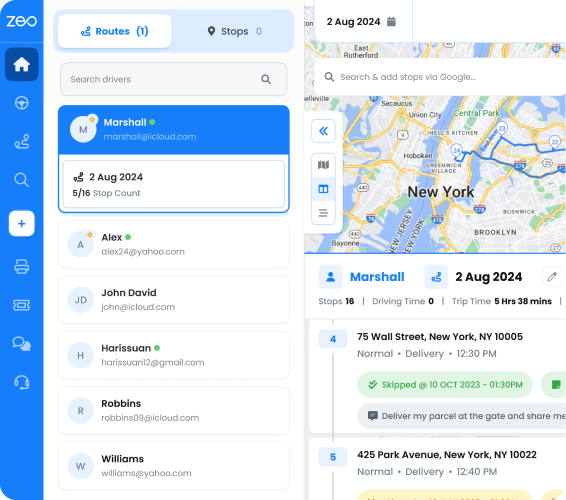
Przydział oparty na umiejętnościach:Dopasuj wiedzę i doświadczenie technika do rodzaju wizyt, aby ograniczyć liczbę ponownych wizyt. Specjaliści ds. instalacji zajmują się nowymi konfiguracjami usług, a technicy ds. konserwacji koncentrują się na zgłoszeniach naprawczych. Ta specjalizacja poprawia wskaźnik rozwiązywania problemów już przy pierwszym zgłoszeniu i eliminuje zbędne wizyty kontrolne.
Zeo Route Planner obsługuje przydział kierowcy oparty na umiejętnościach i dynamiczne dostosowywanie tras, pozwalające dyspozytorom zrównoważyć zaplanowaną pracę z priorytetami awaryjnymi, przy jednoczesnym utrzymaniu zoptymalizowanych tras dla całego zespołu.
Kalkulator ROI: Określanie oszczędności kosztów wynikających ze skrócenia czasu dojazdu
Oblicz potencjalne oszczędności, korzystając z poniższych wskaźników:
Oszczędności pracySkrócenie czasu jazdy o 30 minut dziennie pozwala zaoszczędzić 6.25 USD na technika przy stawce godzinowej 25 USD. Dla 25 techników pracujących 250 dni w roku: 39 063 USD oszczędności na robociźnie.
Redukcja kosztów paliwa: Eliminacja 20 niepotrzebnych mil dziennie na jednego technika pozwala zaoszczędzić około 13.40 USD na kosztach eksploatacji pojazdu. Roczne oszczędności dla 25 techników: 83 750 USD.
Dodatkowa pojemność usługowa: Jeśli skrócony czas dojazdu oznacza jedno dodatkowe zgłoszenie serwisowe na technika dziennie, oblicz wpływ na przychody, mnożąc dodatkowe zgłoszenia przez średnią wartość usługi. Dla zgłoszeń instalacyjnych o średniej wartości 150 USD: (1 dodatkowe zgłoszenie × 25 techników × 250 dni × 150 USD) = 937 500 USD dodatkowego potencjalnego rocznego przychodu.
Wpływ na satysfakcję klienta:Krótszy czas reakcji i bardziej niezawodne terminy wizyt poprawiają retencję klientów. 5% poprawa retencji klientów znacząco wpływa na kalkulację wartości cyklu życia klienta (LV).
Według Raport Federalnej Komisji Łączności dotyczący efektywności operacyjnejFirmy telekomunikacyjne, które inwestują w efektywność operacyjną, osiągają średni zwrot z inwestycji (ROI) na poziomie 240% w ciągu 18 miesięcy, głównie dzięki lepszemu świadczeniu usług i obniżeniu kosztów operacyjnych. Podobne wyniki osiągnięto w pokrewnych dziedzinach, takich jak: Czas dojazdu technika HVAC optymalizacja.
Przewodnik po wdrażaniu: Łączenie optymalizacji tras z systemami zarządzania okablowaniem
Aby skutecznie skrócić czas dojazdu techników kablowych, konieczna jest płynna integracja optymalizacji trasy z istniejącymi systemami zarządzania okablowaniem.
Konfiguracja integracjiPołącz platformę optymalizacji tras z oprogramowaniem do planowania, systemami zarządzania klientami i śledzenia zapasów. Dzięki temu technicy otrzymają pełne informacje o zleceniu, w tym o wymaganych częściach i szacowanym czasie naprawy.
Przepływ pracy dyspozytora:Twoi dyspozytorzy korzystają z internetowej platformy optymalizacji tras, aby tworzyć efektywne trasy dzienne, uwzględniając priorytety wizyt, umiejętności techników i przydziały terytorialne. Trasy automatycznie uwzględniają czas jazdy, okna serwisowe i harmonogramy przerw.
Technik dostępu mobilnego: Technicy terenowi otrzymują zoptymalizowane trasy bezpośrednio na swoje telefony za pośrednictwem aplikacji mobilnej, wraz z nawigacją krok po kroku i danymi klienta. W przypadku wezwań alarmowych dyspozytorzy mogą natychmiast zaktualizować trasy i powiadomić odpowiedniego technika. Platforma mobilna Zeo współpracuje z wieloma aplikacjami nawigacyjnymi i zapewnia… śledzenie GPS w czasie rzeczywistym w celu lepszej koordynacji.
Monitoring wydajności: Śledź kluczowe wskaźniki, takie jak średni czas dojazdu na jedno zgłoszenie, dzienne wskaźniki realizacji usług oraz koszty paliwa na technika. Wykorzystaj te dane do ciągłego udoskonalania granic terytorialnych i strategii trasowania.
Szkolenie i adopcja: Zapewnij szkolenie z zakresu mobilnej nawigacji po trasie i protokołów połączeń alarmowych. Podkreśl, jak zoptymalizowane planowanie podróży zmniejsza stres, eliminując zgadywanie co do efektywnych tras podróży i codziennego harmonogramu. Wdrażaj sprawdzone rozwiązania. strategie zarządzania flotą zapewnia płynne wdrożenie w całym zespole.
Rozpocznij wdrożenie z grupą pilotażową składającą się z 5–10 techników, aby sprawdzić zwrot z inwestycji przed wdrożeniem w całej firmie. Większość operatorów kablowych odnotowuje mierzalną redukcję czasu dojazdu już w pierwszym tygodniu po wdrożeniu.
Najczęściej zadawane pytania
P: Jaką część dnia technik instalacji kablowych spędza zazwyczaj w drodze?
Według branżowych standardów, technicy kablowi spędzają około 30-35% swojego dnia roboczego na dojazdach między punktami serwisowymi. Przekłada się to na 2-3 godziny dziennie w czasie jazdy nieprzynoszącym przychodów, co bezpośrednio wpływa na koszty operacyjne i wydajność usług.
P: Ile pieniędzy mogą zaoszczędzić firmy kablowe, skracając czas dojazdu techników?
Firma kablowa zatrudniająca 25 techników może zaoszczędzić prawie 400 000 dolarów rocznie na samych kosztach robocizny, skracając czas dojazdu z 2.5 do 2 godzin dziennie. Dodatkowe oszczędności wynikają z niższych kosztów paliwa, konserwacji pojazdów oraz możliwości wykonania większej liczby wizyt serwisowych dziennie.
P: Jaki jest najskuteczniejszy sposób obsługi połączeń alarmowych w ramach usług kablowych, nie zakłócając zoptymalizowanych tras?
Najbardziej efektywnym podejściem jest dynamiczne dostosowywanie trasy za pomocą oprogramowania do optymalizacji tras, np. Zeo Route Planner, które umożliwia natychmiastowe przydzielanie połączeń alarmowych technikom pracującym na pobliskich terenach, jednocześnie utrzymując zoptymalizowane trasy dla całego zespołu.
P: Ile wizyt serwisowych powinien wykonać technik zajmujący się kablami dziennie?
Najlepsi technicy kablowi zazwyczaj realizują 6-8 wezwań serwisowych dziennie na obszarach podmiejskich i 8-12 wezwań w gęsto zaludnionych obszarach miejskich. Technicy z terenów wiejskich zazwyczaj realizują 4-6 wezwań ze względu na dłuższe odległości między lokalizacjami.
P: Jaki jest średni koszt obsługi pojazdu świadczącego usługi kablowe na milę?
Koszt eksploatacji pojazdów obsługujących usługi kablowe wynosi około 0.67 USD za milę, uwzględniając koszty paliwa, konserwacji, ubezpieczenia i amortyzacji. To sprawia, że optymalizacja tras jest kluczowa dla kontroli wydatków operacyjnych w usługach kablowych.
Gotowy skrócić czas dojazdu techników kablowych i zwiększyć wydajność serwisu? Rozpocznij bezpłatny okres próbny i sprawdź, ile czasu dojazdu mogą zaoszczędzić technicy kablowi dzięki zoptymalizowanemu routingowi.
Jesteś właścicielem floty?
Chcesz łatwo zarządzać kierowcami i dostawami?
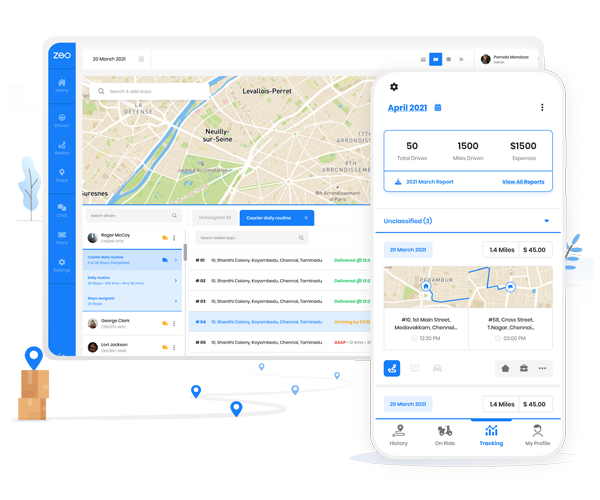
Rozwijaj swoją firmę bez wysiłku dzięki Zeo Routes Planner – optymalizuj trasy i z łatwością zarządzaj wieloma kierowcami.
zwiększyć oszczędność paliwa
Oszczędzaj 2 godziny na dostawach każdego dnia!
Optymalizuj trasy za pomocą naszego algorytmu, skutecznie redukując czas podróży i koszty.
Zacznij już teraz za darmo