


# Estudio de caso sobre optimización de rutas gubernamentales: resultados reales de retorno de la inversión
> TL; DR: Las agencias gubernamentales que implementan la optimización de rutas logran una reducción del 25-35% en el consumo de combustible y un retorno de la inversión total en un plazo de 8 a 12 meses gracias a un ahorro cuantificable para los contribuyentes. Estudios de caso municipales reales muestran ahorros anuales superiores a $200,000 por departamento, con pruebas documentadas. Herramientas de optimización de rutas como Zeo Route Planner abordan estos desafíos mediante el enrutamiento basado en IA y el seguimiento GPS en tiempo real, lo que permite a las flotas gubernamentales ahorrar más de dos horas diarias en tareas administrativas.
Las agencias gubernamentales que implementan programas de optimización de rutas gubernamentales se enfrentan a un escrutinio exhaustivo de cada dólar gastado. En lo que respecta a las inversiones en tecnología para flotas de vehículos, la presión para demostrar un valor tangible para el contribuyente nunca ha sido mayor.
Este exhaustivo estudio de caso sobre la optimización de rutas gubernamentales examina implementaciones municipales reales, con ahorros documentados, procesos de adquisición y modelos replicables para el éxito del sector público.
El desafío de la flota gubernamental: por qué la planificación tradicional de rutas fracasa en el servicio público.
Las flotas gubernamentales operan bajo restricciones que las empresas privadas rara vez enfrentan. Los ciclos presupuestarios abarcan años, no trimestres. Cada compra requiere justificación ante los comités de supervisión. La rotación de personal interrumpe el conocimiento institucional.
La planificación de rutas tradicional agrava estos problemas. El enrutamiento manual supone un derroche de dinero público debido al consumo ineficiente de combustible y a los costes por horas extras. Los sistemas basados en papel generan deficiencias en la rendición de cuentas. Los departamentos desconectados duplican esfuerzos en las mismas zonas geográficas.
Según el Asociación de Gestión de Flotas GubernamentalesLas agencias públicas malgastan un promedio del 23 % de su presupuesto operativo en rutas y horarios ineficientes. Para una ciudad mediana que gestiona 100 vehículos, esto se traduce en más de 400 000 dólares de desperdicio anual.
La complejidad se multiplica entre los distintos departamentos. La recogida de residuos sigue horarios rígidos. Los servicios sociales priorizan los casos urgentes. El mantenimiento de los parques se adapta a las demandas estacionales. Cada uno opera de forma independiente, perdiendo oportunidades de optimización que podrían beneficiar más a los contribuyentes.
Caso práctico 1: Gestión de residuos de la ciudad de Springfield: reducción del 35 % en el consumo de combustible, ahorro anual de 200 000 dólares.
El Departamento de Obras Públicas de Springfield gestionaba 45 vehículos de recolección de residuos que daban servicio a 85,000 residentes. Su desafío: el aumento del precio del combustible y el envejecimiento de la infraestructura ejercían presión sobre los presupuestos, mientras que las quejas por el servicio aumentaban.
El problema:
La planificación manual de rutas les tomaba a los supervisores más de 4 horas semanales. Los conductores a menudo retrocedían por los vecindarios, lo que aumentaba el consumo de combustible y el desgaste. Las quejas de los clientes por recogidas no realizadas promediaban 150 al mes. Los costos de las horas extras superaron el presupuesto en un 18 %.
La solución:
Springfield implementó la optimización de rutas impulsada por IA para agilizar las operaciones. El sistema asignó automáticamente las rutas óptimas a los conductores a través de aplicaciones móviles, lo que permitió seguimiento de vehículos en tiempo real y notificaciones al cliente a través de un enfoque integral software de gestión de flotas.
Resultados medibles después de 12 meses:
- Reducción del 35% en el consumo de combustible (ahorro anual de 125,000 dólares)
- Reducción del 28% en los costos de horas extras (ahorro anual de $75,000)
- Reducción del 67% en las quejas de los clientes (de 150 a 50 mensuales).
- 2.3 horas ahorradas por supervisor semanalmente en la planificación de rutas.
Factores clave de implementación:
El éxito de Springfield se debió a una gestión sistemática del cambio. Primero capacitaron a los supervisores y luego implementaron las aplicaciones móviles para los conductores por fases. Los representantes sindicales participaron en las pruebas piloto, lo que garantizó la aceptación antes de la implementación completa.
El ayuntamiento recibía informes mensuales sobre el progreso, que mostraban las cifras exactas de ahorro. Esta transparencia generó apoyo para extender el sistema a otros departamentos.
Caso práctico 2: Visitas domiciliarias del Departamento de Salud del Condado: 40 % más de pacientes atendidos diariamente.
Los trabajadores de salud comunitaria del Departamento de Salud del Condado Metropolitano atendieron a más de 12 000 residentes mediante visitas domiciliarias. Su desafío fundamental: atender a poblaciones más vulnerables con el personal existente.
El desafío operativo:
Las enfermeras dedicaban más de tres horas diarias a desplazarse entre las visitas a los pacientes. La programación en papel generaba lagunas en la cobertura. Las visitas de urgencia interrumpían las rutas previstas. Los requisitos de documentación añadían una carga administrativa.
La solución estratégica:
El departamento implementó la optimización de rutas con funciones específicas para el sector sanitario. Los intervalos de tiempo garantizaron la disponibilidad de los pacientes. La configuración de prioridades gestionó los casos urgentes. Digital prueba de envío Se recopiló la documentación requerida.
Impacto documentado:
- Incremento del 40% en las visitas diarias de pacientes (de 8 a 11.2 de media por enfermera).
- 45 minutos menos de tiempo de viaje por enfermera al día
- Mejora del 89% en la puntualidad de las citas.
- Documentación digital completa para auditorías de cumplimiento.
Beneficios específicos para la atención médica:
Las enfermeras recibieron rutas optimizadas en sus dispositivos móviles, con información del paciente y los requisitos de la visita. El seguimiento por GPS permitió supervisar la seguridad del personal que trabajaba en zonas remotas. Las notificaciones automáticas a los clientes redujeron las citas perdidas en un 34 %.
El sistema incorpora funciones de comprobación de entrega que registran las firmas de los pacientes y las fotos de las visitas, creando así registros de auditoría completos, tal como lo exigen las regulaciones sanitarias estatales.
Manual de Contratación Pública: Plantillas de Solicitud de Propuestas, Evaluación de Proveedores y Proceso de Aprobación
Las contrataciones públicas exigen procesos de evaluación estructurados que resistan el escrutinio público. Aquí presentamos un marco probado para la selección de proveedores y la optimización de rutas.
Plantilla de requisitos de RFP
Especificaciones técnicas:
- Compatibilidad multiplataforma (panel web, aplicaciones móviles)
- Seguimiento GPS en tiempo real y comunicación con el conductor.
- Capacidades de integración con los sistemas gubernamentales existentes
- Escalabilidad para gestionar la expansión del departamento.
- Seguridad de datos que cumple con los estándares federales
Criterios de calificación de proveedores:
- Mínimo 3 años de experiencia trabajando con clientes gubernamentales.
- Referencias de agencias públicas de tamaño similar
- Documentación de estabilidad financiera
- Capacidades de apoyo y capacitación locales
- Cumplimiento de los estándares de accesibilidad
Matriz de puntuación de evaluación
Análisis de costos (30%):
- Costo total de propiedad durante 5 años
- Gastos de implementación y capacitación
- Tarifas de soporte y mantenimiento continuos
- Evaluación de costos ocultos
Capacidades técnicas (40%):
- Completitud de las características en relación con los requisitos
- Garantías de fiabilidad y disponibilidad del sistema
- Complejidad y cronograma de integración
- Funcionalidad de la aplicación móvil para el personal de campo
Estabilidad del proveedor (20%):
- Cartera de clientes gubernamentales
- Indicadores de salud financiera
- Experiencia del equipo de soporte
- Presencia local y tiempos de respuesta
Referencias y demostraciones (10%):
- Implementaciones similares de la agencia
- Documentación de resultados medibles
- Demostraciones de sistemas en vivo
- Disponibilidad del programa piloto
Navegación del proceso de aprobación
Presente las propuestas utilizando un lenguaje que destaque el impacto en los contribuyentes. Céntrese en las mejoras del servicio en lugar de en las características tecnológicas. Cuantifique los beneficios en términos que los comités de supervisión comprendan: tiempos de respuesta reducidos, mayor capacidad de servicio, menores costos operativos.
Incluya los beneficios ambientales en las propuestas. software de optimización de rutas Normalmente reduce las emisiones de los vehículos entre un 20 % y un 30 %, lo que contribuye a cumplir con las normativas de sostenibilidad a las que se enfrentan muchos gobiernos.
Calculadora de retorno de la inversión: Demostrando el valor para el contribuyente con métricas de impacto ambiental y ahorro de costos.
Los cálculos de retorno de la inversión del gobierno deben tener en cuenta tanto el ahorro directo como la creación de valor público. Utilice este marco para elaborar propuestas de negocio convincentes.

aumentar el ahorro de combustible
¡Ahorre 2 horas en entregas todos los días!
Optimice rutas con nuestro algoritmo, reduciendo tiempos y costos de viaje de manera eficiente.
Empieza gratis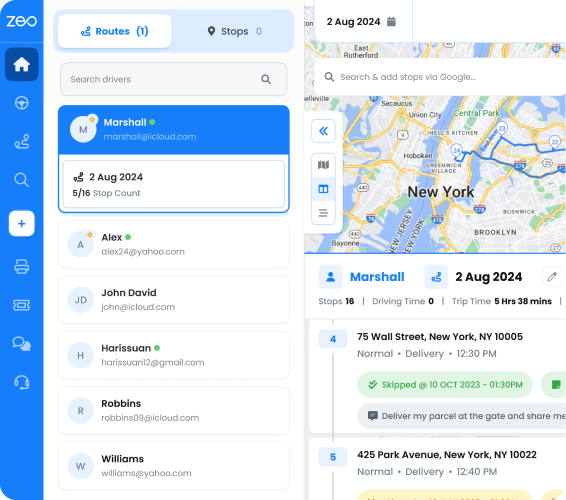
Cálculo del ahorro de costes directos
Fórmula para la reducción del consumo de combustible:
- Coste anual actual del combustible × porcentaje de optimización (normalmente entre el 25 % y el 35 %)
- Ejemplo: $200,000 anuales en combustible × 30% de reducción = $60,000 de ahorro
Ganancias en eficiencia laboral:
- Tiempo administrativo ahorrado × tarifa por hora × horas anuales
- Ejemplo: 3 horas semanales ahorradas × $35/hora × 50 semanas = $5,250 por administrador
Reducción de horas extras:
- Costes actuales de horas extras × porcentaje de reducción (normalmente entre el 15% y el 25%)
- Ejemplo: $150,000 en horas extras × 20% de reducción = $30,000 de ahorro
Métricas de mejora del servicio
Mejora del tiempo de respuesta:
- Una respuesta de emergencia más rápida mejora los resultados en materia de seguridad pública.
- El aumento de la capacidad de servicio permite atender a más residentes con los recursos existentes.
- La reducción del tiempo de resolución de quejas mejora la satisfacción del ciudadano.
Cuantificación del impacto ambiental:
De acuerdo con datos de la EPACada galón de gasolina quemado produce 19.6 libras de CO2. Una reducción del 30 % en el consumo de combustible para una flota de 50 vehículos ahorra aproximadamente 15 000 galones al año, evitando así 147 toneladas de emisiones de CO2.
MODERNA Optimización de rutas impulsada por IA Estos sistemas automatizan estos cálculos, proporcionando a las agencias gubernamentales informes detallados sobre el impacto ambiental para la elaboración de informes de sostenibilidad.
Proyección del retorno de la inversión a varios años
Año 1: Los costos de implementación se compensan con ahorros inmediatos en combustible y horas extras.
Año 2-3: Ahorro operativo total más beneficios por mejora del servicio.
Año 4-5: Los ahorros acumulados financian servicios públicos o infraestructura adicionales.
La mayoría de las implementaciones de optimización de rutas gubernamentales logran un retorno de la inversión completo en 8 a 12 meses y luego generan un valor continuo para el contribuyente según Análisis de costos de transporte de la Oficina de Estadísticas Laborales.
Plan de implementación: Integración de sistemas, capacitación y gestión del cambio para agencias gubernamentales.
Para que las implementaciones gubernamentales sean exitosas, se requiere una gestión del cambio estructurada que aborde tanto los desafíos técnicos como los culturales.
Fase 1: Establecimiento de las bases (Semanas 1-4)
Alineación de partes interesadas:
- Informes de los jefes de departamento sobre los resultados previstos.
- Inclusión de los representantes sindicales en el proceso de planificación
- Revisión de los requisitos de integración del departamento de TI
- Establecimiento de la estructura de informes de la oficina de presupuesto
Preparación Técnica:
- Evaluación de la integración del sistema existente
- Planificación y ejecución de la migración de datos
- Verificación del cumplimiento de seguridad
- Requisitos de hardware y conectividad
Fase 2: Implementación piloto (Semanas 5-8)
Despliegue limitado:
- Seleccione de 3 a 5 conductores para las pruebas iniciales.
- Un único departamento se centra en la gestión de la complejidad.
- Recopilación diaria de comentarios y ajustes del sistema.
- Establecimiento de la línea base de las métricas de rendimiento
Programa de entrenamiento:
- Capacitación sobre el panel de control del supervisor (sesiones de 2 horas)
- Capacitación en el uso de la aplicación móvil para conductores (sesiones individuales de 30 minutos)
- Capacitación del personal de atención al cliente sobre el sistema de notificación
- Establecimiento de un proceso de soporte continuo
Zeo Route Planner optimiza este proceso mediante un soporte especializado para la implementación gubernamental. El panel de control de gestión de flotas de la plataforma permite a los supervisores monitorizar todos los vehículos en tiempo real, mientras que los conductores reciben rutas optimizadas directamente en sus dispositivos móviles, lo que facilita una coordinación fluida entre la gerencia y el personal de campo.
Fase 3: Despliegue completo (Semanas 9-16)
Despliegue sistemático:
- Calendario de implementación departamento por departamento
- Protocolos de seguimiento y ajuste del rendimiento
- Procedimientos de escalamiento y resolución de problemas
- Documentación e informes de las métricas de éxito
Gestión del cambio:
- Reuniones periódicas con todo el personal para mostrar los indicadores de progreso.
- Programas de reconocimiento para los primeros usuarios
- Disponibilidad de formación y soporte continuos
- Integración con los procedimientos gubernamentales existentes
Fase 4: Optimización y expansión (meses 5-12)
Mejora del rendimiento:
- Utilización de funciones avanzadas (ventanas de tiempo, paradas prioritarias)
- Oportunidades de coordinación interdepartamental
- Integración adicional de vehículos y personal
- Ampliación de la capacidad del sistema basada en el éxito
Informes y rendición de cuentas:
- Presentaciones mensuales al consejo con documentación sobre los ahorros.
- Informes anuales de impacto presupuestario para la planificación futura.
- Informes de transparencia pública que destacan las mejoras en la eficiencia.
- Documentación de buenas prácticas para otros departamentos
La clave del éxito en la implementación gubernamental radica en considerar la optimización de rutas como una mejora operativa, no solo como una adopción de tecnología. La capacitación debe centrarse en cómo el sistema optimiza los flujos de trabajo existentes, en lugar de reemplazarlos por completo.
Los clientes gubernamentales de Zeo suelen observar mejoras cuantificables en un plazo de 30 días, y logran un retorno de la inversión total en el primer año gracias al ahorro combinado de combustible, la reducción de los costes por horas extras y la mejora de los indicadores de prestación de servicios.
Preguntas frecuentes
P: ¿Cuánto tiempo suelen tardar las agencias gubernamentales en ver el retorno de la inversión de las inversiones en optimización de rutas?
La mayoría de las implementaciones de optimización de rutas gubernamentales logran un retorno de la inversión total en un plazo de 8 a 12 meses gracias al ahorro de combustible, la reducción de los costos por horas extras y la mejora de los indicadores de prestación de servicios. El período inicial de implementación suele durar de 3 a 4 meses, y las mejoras cuantificables son visibles en un plazo de 30 días.
P: ¿Qué requisitos de adquisición debe cumplir el software de optimización de rutas para su uso por parte del gobierno?
El software de optimización de rutas gubernamentales debe cumplir con los estándares federales de seguridad, garantizar la accesibilidad, ofrecer precios transparentes sin costos ocultos e incluir referencias de agencias públicas de tamaño similar. Los proveedores deben demostrar estabilidad financiera y capacidad de soporte local durante el proceso de solicitud de propuestas.
P: ¿Puede el software de optimización de rutas integrarse con los sistemas de gestión de flotas gubernamentales existentes?
Sí, las plataformas modernas de optimización de rutas, como Zeo Route Planner, ofrecen integraciones API y pueden conectarse con los sistemas gubernamentales existentes a través de plataformas como Zapier. Las capacidades de integración deben evaluarse durante el proceso de adquisición para garantizar un flujo de datos fluido entre los sistemas.
P: ¿Cómo miden los organismos gubernamentales el impacto ambiental de la optimización de rutas?
Las agencias suelen monitorear la reducción del consumo de combustible, la cual se correlaciona directamente con el ahorro de emisiones. Según datos de la EPA, cada galón de gasolina ahorrado evita la emisión de 19.6 libras de CO2. La mayoría de las implementaciones logran una reducción de combustible del 25 al 35 %, lo que respalda los mandatos gubernamentales de sostenibilidad.
P: ¿Qué capacitación se requiere para que el personal gubernamental utilice eficazmente los sistemas de optimización de rutas?
La capacitación suele incluir sesiones de dos horas para supervisores sobre la gestión del panel de control y sesiones individuales de 30 minutos para conductores sobre el uso de la aplicación móvil. Zeo Route Planner ofrece asistencia especializada para la implementación en el sector público, con fases de despliegue sistemáticas para garantizar una adopción exitosa en todos los departamentos.
-
¿Listo para crear tu caso práctico de optimización de rutas gubernamentales? Solicita una demostración diseñada específicamente para las necesidades del sector público, que incluye análisis de retorno de la inversión, documentación de cumplimiento y un cronograma de implementación adaptado a los procesos de contratación pública.
¿Es usted propietario de una flota?
¿Quiere gestionar sus conductores y entregas fácilmente?
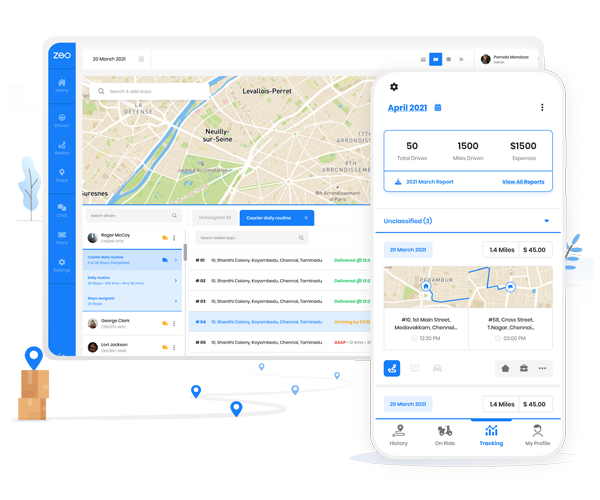
Haga crecer su negocio sin esfuerzo con Zeo Routes Planner: optimice las rutas y administre múltiples conductores con facilidad.
aumentar el ahorro de combustible
¡Entregas y recogidas sin problemas!
Optimice rutas con nuestro algoritmo, reduciendo tiempos y costos de viaje de manera eficiente.
Empieza gratis