


# El mejor software de planificación de rutas de reparto para pequeñas flotas (2026)
> TL; DR: El mejor planificador de rutas de reparto transforma el caos manual en eficiencia automatizada optimizando las rutas con algoritmos de IA que consideran simultáneamente el tráfico, la capacidad y los intervalos de tiempo. El software profesional de optimización de rutas suele ahorrar a las empresas de reparto más de dos horas diarias y reduce los costes de combustible entre un 20 % y un 30 %. Herramientas como Zeo Route Planner dan servicio a más de 1.5 millones de usuarios en más de 150 países con una optimización basada en IA que gestiona automáticamente estas variables complejas.
Dirigir un negocio de reparto en crecimiento es como hacer malabares con antorchas encendidas mientras se monta en monociclo. Cada mañana, hay que trazar las rutas a mano, llamar a los repartidores para avisarles de los cambios y ver cómo el coste del combustible reduce los beneficios.
El planificador de rutas de reparto que elijas puede transformar este caos diario en una operación fluida y autónoma. Aquí te explicamos cómo seleccionar la solución adecuada e implementarla sin interrumpir tu negocio.
¿Por qué la planificación manual de rutas deja de ser efectiva a medida que crece tu negocio de reparto?
La planificación manual de rutas funciona bien cuando se tienen tres conductores y 20 paradas al día. Se conoce el territorio, los conductores y los clientes. Pero ese sistema se desmorona rápidamente.
Según el Datos del sector de reparto de la Oficina de Estadísticas Laborales de EE. UU.Las empresas de reparto que crecen con éxito realizan, en promedio, un 47 % más de paradas por conductor que aquellas que utilizan métodos de planificación manual. ¿La diferencia? Automatizan las tareas complejas desde el principio.
Los costos ocultos comienzan a acumularse
Cada hora que dedicas a planificar rutas te cuesta entre 25 y 50 dólares en mano de obra. Con 5 conductores, eso supone entre 1 y 2 horas diarias. ¿Y con 20 conductores? Estarías hablando de entre 4 y 6 horas de planificación antes de que se realice la primera entrega.
Tus conductores permanecen inactivos mientras decides quién va a dónde. El tráfico cambia, los clientes reprograman sus citas y los vehículos se averían. Cada cambio repercute en todo tu día.
Las expectativas de los clientes siguen aumentando.
Amazon ha acostumbrado a sus clientes a esperar plazos de entrega precisos y seguimiento en tiempo real. Cuando le dices a alguien "entre las 10 de la mañana y las 4 de la tarde", te comparan con empresas que cumplen sistemáticamente con plazos de 30 minutos.
Los retrasos en las entregas provocan llamadas de clientes enfadados. El incumplimiento de los plazos de entrega se traduce en entregas fallidas. Tu equipo de atención al cliente dedica más tiempo a disculparse que a vender.
La gestión de conductores se vuelve imposible.
Con más de 15 conductores, se pierde visibilidad. ¿Quién está haciendo las entregas? ¿Quién está atascado en el tráfico? ¿Qué rutas tienen retraso?
No se puede optimizar lo que no se ve. El seguimiento manual mediante llamadas telefónicas y mensajes de texto proporciona información desactualizada que resulta inútil para tomar decisiones reales.
Características esenciales que todo planificador de rutas de entrega debe tener
No todos los programas de planificación de rutas son iguales. Algunas herramientas simplemente digitalizan tu proceso manual sin aportar valor real.
Optimización de rutas impulsada por IA
La planificación básica de rutas conecta puntos en un mapa. La optimización profesional de rutas considera docenas de variables simultáneamente.
Los algoritmos de optimización reales tienen en cuenta los patrones de tráfico, los plazos de entrega, la capacidad máxima de los vehículos y la habilidad de los conductores. Pueden procesar más de 100 paradas en 10 vehículos en segundos, encontrando combinaciones que tu cerebro jamás podría calcular.
Ajustes de ruta dinámicos
Las rutas cambian a lo largo del día. Los clientes reprograman sus viajes, el tráfico bloquea las carreteras y los conductores se adelantan o se retrasan.
Tu planificador de rutas necesita recalcularse automáticamente cuando cambian las condiciones. Las rutas estáticas planificadas a las 6 de la mañana quedan obsoletas a las 10 de la mañana.
Comunicación con el conductor en tiempo real
Sus conductores necesitan actualizaciones de ruta al instante, no a través de llamadas telefónicas que interrumpan su trabajo.
Los mejores sistemas envían las rutas actualizadas directamente a las aplicaciones móviles de los conductores. Estos ven los cambios automáticamente y pueden navegar hasta las nuevas paradas sin necesidad de llamar a la oficina. Seguimiento GPS en tiempo real Mantiene a los gerentes informados del progreso real a lo largo del día.
Herramientas de comunicación con el cliente
Los clientes quieren recibir actualizaciones sin tener que llamarte. Las notificaciones automáticas los mantienen informados a la vez que reducen el volumen de llamadas.
Busque sistemas que envíen actualizaciones por SMS, notificaciones por correo electrónico y que proporcionen enlaces de seguimiento en tiempo real que los clientes puedan consultar por sí mismos.
Integración de prueba de entrega
Cada envío requiere documentación. Las fotos, las firmas y los albaranes te protegen de disputas y contracargos.
Tu planificador de rutas debería capturar esto prueba de envío Automáticamente a través de aplicaciones móviles para conductores, no mediante sistemas separados que no se comunican entre sí.
Cómo funciona realmente la optimización de rutas profesionales (más allá del GPS básico)
La optimización profesional de rutas va mucho más allá de conectar paradas en orden geográfico. Los sistemas modernos utilizan inteligencia artificial para resolver complejos problemas logísticos.
Optimización multivariable
Los sistemas basados en inteligencia artificial tienen en cuenta simultáneamente los límites de capacidad de los vehículos, las horas de trabajo de los conductores, los intervalos de tiempo de los clientes y los patrones de tráfico. Prueban miles de combinaciones de rutas en segundos para encontrar la solución más eficiente.
Por ejemplo, una ruta que parece geográficamente lógica podría infringir los horarios establecidos o exceder la capacidad del vehículo. La optimización profesional detecta estos conflictos automáticamente.
Asignación basada en habilidades
No todos los conductores pueden realizar cualquier tipo de entrega. Algunos se especializan en rutas comerciales, otros en residenciales. Algunos cuentan con capacitación especial para el transporte de materiales peligrosos o mercancías de alto valor.
Los planificadores de rutas avanzados asignan las paradas en función de las habilidades y certificaciones del conductor, no solo de la proximidad geográfica.
Enrutamiento basado en capacidad
Los límites de peso y volumen de los vehículos afectan a las paradas que se pueden combinar en una misma ruta. La planificación manual suele pasar por alto estas restricciones hasta que los conductores ya no pueden cargar todo en sus camiones.
Los sistemas profesionales calculan el peso y el volumen totales de cada ruta, evitando así la sobrecarga de los vehículos y los fallos en la recogida.
Programación teniendo en cuenta el tráfico
El flujo de tráfico cambia a lo largo del día. Un trayecto que tarda 30 minutos a las 8 de la mañana podría tardar 90 minutos a las 5 de la tarde.
Los planificadores de rutas modernos utilizan datos históricos de tráfico y condiciones en tiempo real para programar las entregas cuando las carreteras están más despejadas. A continuación Mejores prácticas de optimización de rutas garantiza la máxima eficiencia.
Calculadora de ROI: ¿Qué software de planificación de rutas realmente ahorra a las empresas de reparto?
Calculemos el ahorro real que supone la optimización de rutas para un negocio de reparto típico en crecimiento.
Desglose del ahorro de tiempo
Tiempo de planificación manual: De 2 a 3 horas diarias para 10 conductores.
- Salario del gerente de planificación de rutas: 50,000 dólares anuales.
- Coste de planificación diaria: entre 75 y 100 dólares.
- Costo anual de planificación: entre 25,000 y 35,000 dólares.
Tiempo de planificación automatizado: 15-30 minutos diarios
- Ahorro de tiempo anual: 500-750 horas
- Ahorro de costes: entre 20,000 y 30,000 dólares anuales.
Reducción del costo del combustible
Según el Investigación sobre la eficiencia del combustible del Departamento de TransporteLa optimización de las rutas reduce el consumo de combustible entre un 20% y un 30% de media.
Ejemplo de cálculo para una flota de 10 vehículos:
- Coste mensual de combustible (ruta manual): 8,000 dólares
- Ahorro de combustible con optimización (25%): $2,000/mes
- Ahorro anual en combustible: 24,000 dólares
Aumento de la productividad de los conductores
Las rutas optimizadas permiten a los conductores realizar entre un 15 % y un 25 % más de paradas al día dentro del mismo horario laboral.
Cálculo de productividad:
- Actual: 25 paradas por conductor al día.
- Optimizado: 30 paradas por conductor al día.
- Ingresos por parada: $15
- Ingresos diarios adicionales: $750 (10 conductores × 5 paradas adicionales × $15)
- Incremento anual de ingresos: $195,000
Retorno total de la inversión anual
- Ahorro de tiempo en la planificación: 25,000 dólares
- Reducción del costo del combustible: $24,000
- Incremento de productividad: $195,000
- Beneficio anual total: $244,000
La mayoría de las plataformas profesionales de planificación de rutas cuestan entre 2,000 y 8,000 dólares anuales para 10 conductores, ofreciendo un retorno de la inversión de entre 10 y 50 veces en el primer año.
Guía de implementación completa: De la planificación manual a las rutas automatizadas en 30 días
El cambio de la planificación de rutas manual a la automatizada no requiere detener las operaciones. Aquí le mostramos cómo realizar la transición sin problemas.
Semana 1: Recopilación de datos y configuración
Empiece por recopilar los datos de entrega de los últimos 30 días. Exporte las direcciones de los clientes, los plazos de entrega, las asignaciones de conductores y la información de los vehículos.
La mayoría de las plataformas de planificación de rutas pueden importar estos datos desde hojas de cálculo de Excel o archivos CSV. software de gestión de entrega Se conecta directamente a plataformas de comercio electrónico populares como Shopify y WooCommerce para importar automáticamente los datos de los pedidos.
Configura los perfiles de tus conductores con sus horas de trabajo, la asignación de vehículos y cualquier habilidad o certificación especial.
Semana 2: Prueba piloto
Selecciona a tu conductor más experimentado y realiza una prueba en paralelo. Planifica su ruta manualmente como de costumbre y, a continuación, crea la misma ruta utilizando el software de optimización.

aumentar el ahorro de combustible
¡Ahorre $200 en combustible mensualmente!
Optimice rutas con nuestro algoritmo, reduciendo tiempos y costos de viaje de manera eficiente.
Empieza gratis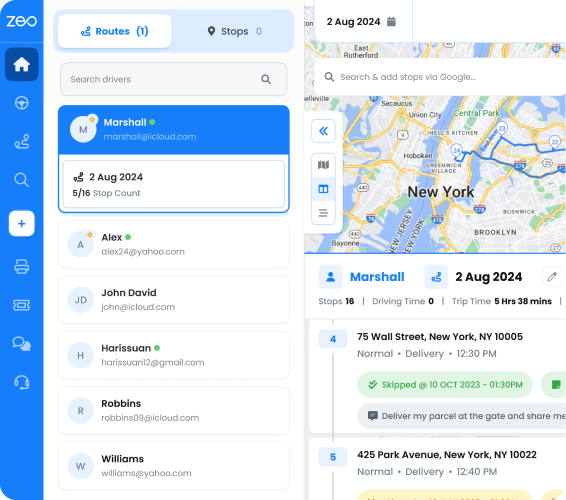
Compara los resultados a lo largo de la semana. Registra el tiempo total de conducción, el consumo de combustible y el número de entregas completadas.
La mayoría de las empresas observan mejoras inmediatas: rutas entre un 15 % y un 20 % más cortas y entre 2 y 3 paradas adicionales al día.
Semana 3: Despliegue limitado
Amplíe la plantilla a 3-5 conductores y mantenga el resto con planificación manual. Esto le permitirá resolver cualquier problema sin interrumpir toda la operación.
Capacite a estos conductores en la aplicación móvil para recibir rutas y registrar las entregas. La transición debe ser fluida para ellos.
Durante esta fase, supervise los comentarios de los clientes. Por lo general, los clientes notan de inmediato las entregas más rápidas y las estimaciones de tiempo más precisas.
Semana 4: Implementación completa
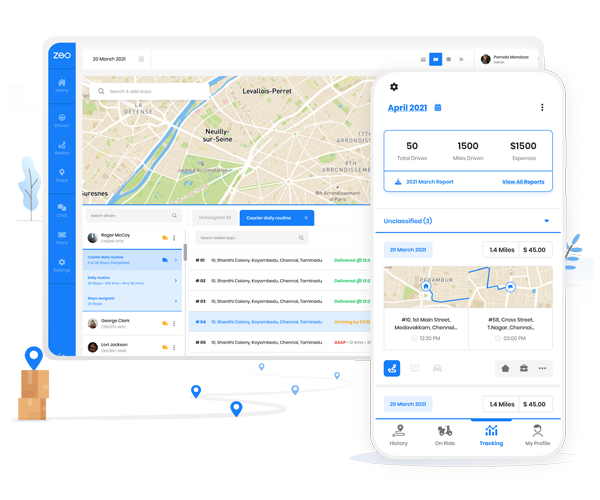
Implementa la planificación automatizada en toda tu flota. Tu gerente de operaciones utiliza la plataforma web para optimizar las rutas cada mañana, mientras que los conductores reciben sus rutas asignadas directamente en la aplicación móvil.
El sistema gestiona la navegación paso a paso y captura automáticamente fotos y firmas de entrega.
Consejos para una implementación exitosa
Empezar de forma sencilla: No intentes optimizar todas las variables el primer día. Empieza con la optimización básica de rutas y añade funciones avanzadas gradualmente.
Entrena a fondo: Dedica más tiempo a capacitar a tus conductores más escépticos. Los primeros en adoptar la tecnología ayudarán a convencer a los más reacios.
Mide todo: Realizar un seguimiento de las métricas antes y después de la implementación. Documentar las mejoras para justificar la inversión e identificar áreas para una mayor optimización.
Comunicarse con los clientes: Informe a los clientes sobre las nuevas funciones, como el seguimiento en tiempo real y las notificaciones automáticas. Presente los cambios como mejoras en su experiencia.
Cómo elegir el planificador de rutas de entrega adecuado para el tamaño y las necesidades de su negocio.
Las diferentes soluciones de planificación de rutas funcionan mejor según el tamaño de la empresa y el tipo de entrega.
Para flotas pequeñas (de 5 a 15 conductores)
Busque plataformas fáciles de implementar sin necesidad de soporte técnico especializado. Necesita funciones de optimización básicas, pero sin la complejidad que requiere una gestión a tiempo completo.
Características clave a priorizar:
- Optimización sencilla de rutas con edición mediante arrastrar y soltar.
- Aplicación móvil para conductores con navegación básica
- Capacidades de notificación al cliente
- Comprobante básico de entrega (fotos y firmas)
Zeo Route Planner presta servicio a más de 1.5 millones de usuarios en más de 150 países, con una optimización basada en IA que ahorra a las empresas de reparto más de dos horas diarias. La plataforma funciona tanto para conductores individuales como para gestores de flotas, con rutas optimizadas en la plataforma web y entregadas directamente a las aplicaciones móviles de los conductores.
Para flotas medianas (15-50 conductores)
Necesitas funciones avanzadas como la asignación de habilidades del conductor, restricciones complejas del vehículo y análisis detallados.
Capacidades esenciales:
- Enrutamiento multidepósito para empresas con múltiples ubicaciones
- Gestión avanzada de la capacidad de los vehículos
- Seguimiento en tiempo real con comunicación con el cliente.
- Análisis e informes de rendimiento
- Integración con sus sistemas empresariales existentes
Para flotas grandes (más de 50 conductores)
Las funcionalidades empresariales se vuelven fundamentales: informes avanzados, integraciones de API y gestión de cuentas dedicada.
Funciones imprescindibles:
- Integraciones personalizadas con sistemas ERP y CRM.
- Análisis avanzado y paneles de rendimiento
- Informes de cumplimiento y registros de auditoría
- Recursos de apoyo y capacitación especializados
Consideraciones específicas de la industria
Entrega de comida Requiere seguimiento de bolsas de frío/calor y plazos de entrega muy ajustados.
entrega farmacéutica Requiere documentación de la cadena de custodia e integración del control de temperatura.
Entrega de muebles y electrodomésticos Requiere la programación de citas y la coordinación de la entrega por parte de dos personas.
Entrega B2B Se centra en los periodos de tiempo comerciales y la gestión de la capacidad a granel.
Elige una plataforma que gestione tus requisitos de entrega específicos sin obligarte a buscar soluciones alternativas que no estén contempladas.
Requisitos de integración
Su planificador de rutas debería integrarse a la perfección con sus sistemas empresariales existentes.
Las integraciones comunes incluyen:
- Plataformas de comercio electrónico (Shopify, WooCommerce, Amazon)
- Sistemas CRM (HubSpot, Salesforce)
- Software de contabilidad (QuickBooks, Xero)
- Plataformas de atención al cliente
Las plataformas profesionales ofrecen integraciones integradas con las plataformas empresariales más populares, además de conectividad con Zapier para aplicaciones adicionales, lo que permite automatizar el flujo de datos entre sistemas sin necesidad de exportaciones e importaciones manuales.
Consideraciones de precios
La mayoría de las plataformas de planificación de rutas cobran por conductor al mes, con tarifas que suelen oscilar entre los 20 y los 80 dólares mensuales por conductor.
Al calcular el costo total de propiedad, tenga en cuenta los costos de implementación, el tiempo de capacitación y cualquier integración necesaria.
Recuerda que el sistema adecuado se amortiza rápidamente gracias al ahorro de combustible y a la mejora de la productividad. Una solución de 50 dólares al mes que ahorra dos horas diarias de planificación resulta rentable desde el primer día.
Eficaz estrategias de gestión de flotas Céntrese en elegir soluciones que se adapten al crecimiento de su negocio y que, al mismo tiempo, ofrezcan un retorno de la inversión inmediato.
Preguntas frecuentes
P: ¿Cuánto puede ahorrar realmente el software de optimización de rutas en costes de combustible?
Según un estudio del Departamento de Transporte, la optimización de rutas suele reducir el consumo de combustible entre un 20 % y un 30 % en las flotas de reparto. Para una flota de 10 vehículos que gasta 8,000 dólares mensuales en combustible, esto se traduce en un ahorro anual de 24 000 dólares gracias a una planificación de rutas más eficiente.
P: ¿Cuál es la diferencia entre la navegación GPS básica y la optimización profesional de rutas?
El GPS básico conecta las paradas geográficamente, mientras que la optimización profesional de rutas considera simultáneamente la capacidad del vehículo, los intervalos de tiempo, los patrones de tráfico y las habilidades del conductor. La optimización con IA de Zeo Route Planner procesa estas variables en segundos, encontrando combinaciones que ahorran más de 2 horas diarias en comparación con la planificación manual.
P: ¿Cuánto tiempo suele tardar la implementación de un software de planificación de rutas para una flota pequeña?
La mayoría de las flotas pequeñas pueden implementar completamente el software de planificación de rutas en 30 días mediante un enfoque gradual. Comience con la recopilación de datos y una prueba piloto con un conductor, luego amplíe gradualmente a 3-5 conductores antes de la implementación en toda la flota. Esto evita interrupciones operativas y permite tiempo para capacitar a los conductores y resolver cualquier problema.
P: ¿Puede el software de planificación de rutas gestionar los cambios y cancelaciones de entrega de última hora?
Sí, las plataformas modernas de planificación de rutas permiten realizar ajustes dinámicos a lo largo del día. Cuando los clientes reprograman o cancelan, el sistema recalcula automáticamente las rutas óptimas para las paradas restantes. Zeo Route Planner envía las rutas actualizadas directamente a las aplicaciones móviles de los conductores, eliminando la necesidad de llamadas telefónicas y garantizando que siempre dispongan de información actualizada.
P: ¿Qué características deberían priorizar las pequeñas empresas de reparto al elegir un software de planificación de rutas?
Las pequeñas empresas deben centrarse en las funciones básicas de optimización, las aplicaciones móviles para conductores, las notificaciones a clientes y la comprobación básica de entrega. Evite pagar de más por funciones empresariales como el análisis avanzado hasta que su flota supere los 15-20 conductores. La integración con los sistemas empresariales existentes y una implementación sencilla deben ser prioridades absolutas.
¿Listo para transformar el caos de la planificación de rutas diarias en un sistema automatizado que funciona solo? Comienza tu prueba gratuita de Zeo Route Planner y descubre cuánto tiempo y dinero puedes ahorrar con la optimización automática de rutas.
¿Es usted propietario de una flota?
¿Quiere gestionar sus conductores y entregas fácilmente?
Haga crecer su negocio sin esfuerzo con Zeo Routes Planner: optimice las rutas y administre múltiples conductores con facilidad.
aumentar el ahorro de combustible
¡Ahorre $200 en combustible mensualmente!
Optimice rutas con nuestro algoritmo, reduciendo tiempos y costos de viaje de manera eficiente.
Empieza gratis