



# Kaip sutrumpinti kabelių techniko vairavimo laiką
> Lt; DR: Kabelinės televizijos bendrovės gali sumažinti technikų vairavimo laiką 28 %, sistemingai optimizuodamos maršrutus, apjungdamos teritorijos analizę, susitikimų grupavimą ir dinaminį maršrutų koregavimą skubios pagalbos iškvietimams. Pramonės lyderės užtikrina, kad vairavimo laikas sudarytų mažiau nei 20 % visų darbo valandų, palyginti su 35 %, kai veikla vykdoma prastai. Maršrutų optimizavimo platformos, tokios kaip „Zeo Route Planner“, šią problemą sprendžia taikydamos dirbtinio intelekto valdomą maršrutų optimizavimą ir maršrutų koregavimą realiuoju laiku, padėdamos kabelinės televizijos komandoms sutaupyti daugiau nei 2 valandas per dieną.
Kabelių technikai beveik trečdalį savo darbo dienos praleidžia vairuodami tarp iškvietimų, užuot aptarnavę klientus. Šis paslėptas neefektyvumas eikvoja jūsų darbo biudžetą ir riboja, kiek klientų jūsų komanda gali padėti kiekvieną dieną. Išmanūs operacijų vadovai atranda, kaip sumažinti kabelių technikų vairavimo laiką, taikydami duomenimis pagrįstas maršruto parinkimo strategijas, kurios subalansuoja suplanuotus susitikimus su skubiais remonto darbais.
Sprendimas yra ne tik geresnis planavimas – tai sisteminis požiūris, kuris sujungia maršrutų optimizavimo technologiją su mobiliaisiais įrankiais, prisitaikančiais prie realaus pasaulio paslaugų poreikių.
Paslėptos kabelių techniko vairavimo laiko išlaidos: kodėl 30 % jūsų darbo biudžeto iššvaistoma kelyje
Jūsų kabelių technikai greičiausiai kasdien važinėja tarp aptarnavimo vietų 2–3 valandas. Remiantis... Darbo statistikos biuro telekomunikacijų technikų duomenysTelekomunikacijų technikai vidutiniškai 32 % savo darbo laiko praleidžia kelyje, todėl vairavimo laikas yra viena didžiausių veiklos išlaidų po darbo sąnaudų.
Štai kiek iš tikrųjų kainuoja per ilgas vairavimo laikas jūsų įmonei:
Darbo atliekosTechnikas, uždirbantis 25 USD per valandą ir kasdien vairuojantis 2.5 valandos, per metus išleidžia 15 625 USD vairavimo laiko. Padauginkite šią sumą iš 25 technikų ir gausite beveik 400 000 USD.
Kuro ir transporto priemonių išlaidosVidutinė aptarnavimo transporto priemonės eksploatavimo kaina, įskaitant degalus, techninę priežiūrą ir nusidėvėjimą, yra 0.67 USD už mylią. Nereikalingos važiavimo mylios greitai kaupiasi.
Kliento poveikisPrastas maršrutų išdėstymas reiškia mažiau aptarnavimo vizitų per dieną. Jei geresnis maršrutų išdėstymas leidžia kiekvienam technikui atlikti vieną papildomą aptarnavimo iškvietimą per dieną, 25 asmenų komanda kasmet generuoja 6,500 papildomų aptarnavimo vizitų.
Problema dar labiau išryškėja piko metu, kai pagalbos iškvietimai sutrikdo kruopščiai suplanuotus maršrutus, todėl technikai yra priversti kelis kartus keliauti per teritorijas.
Kaip apskaičiuoti dabartinį vairavimo laiko švaistymą (ir pramonės lyginamuosius rodiklius)
Prieš optimizuodami maršrutus, įvertinkite dabartinius rezultatus naudodami šiuos pagrindinius rodiklius:
Vidutinis dienos vairavimo laikasKasdien stebėkite kiekvieno techniko bendras vairavimo valandas. Pramonės lyderiai užtikrina, kad vairavimo laikas sudarytų mažiau nei 20 % visų darbo valandų, o prastai veikiančiose įmonėse jis sudaro 35 % ar daugiau.
Mylios už techninės priežiūros iškvietimąApskaičiuokite bendrą dienos mylių skaičių, padalytą iš atliktų aptarnavimo iškvietimų skaičiaus. Efektyvios kabelių eksploatacijos metu vidutiniškai nuvažiuojama 8–12 mylių per vieną aptarnavimo iškvietimą, priklausomai nuo teritorijos tankumo.
Aptarnavimo iškvietimų skaičius per dienąGeriausiai dirbantys technikai priemiesčiuose kasdien atlieka 6–8 iškvietimus, tankiai apgyvendintose miesto zonose – 8–12. Kaimo vietovių technikai dėl didesnių atstumų paprastai susidoroja su 4–6 iškvietimais.
Norėdami nustatyti švaistymą, naudokite šią paprastą formulę: (Dabartinės vairavimo valandos × Valandinis darbo įkainis × Darbo dienos × Komandos dydis) = Metinės vairavimo laiko sąnaudos. Palyginkite tai su pramonės lyginamaisiais rodikliais, kad kiekybiškai įvertintumėte tobulinimo potencialą.
Tyrimai iš Nacionalinė telekomunikacijų pareigūnų asociacija rodo, kad kabelinės televizijos bendrovės, naudodamos maršrutų optimizavimą, vairavimo laiką sutrumpina vidutiniškai 28 %, o tai reiškia reikšmingas išlaidų taupymą ir geresnius klientų aptarnavimo pajėgumus.
5 žingsnių kabelinių paslaugų maršrutų optimizavimo sistema
Norėdami sumažinti kabelių techniko vairavimo laiką visoje savo įmonėje, laikykitės šio sistemingo metodo:
1 veiksmas: teritorijos analizė ir zonavimas
Aptarnaujamą teritoriją suskirstykite į logines zonas pagal vairavimo laiką, o ne tik geografines ribas. Kiekvienoje zonoje turėtų būti galima atlikti 6–8 aptarnavimo iškvietimus be per didelio grįžimo atgal. Atsižvelkite į tokius veiksnius kaip eismo srautai, tiltų vietos ir įprastiniai susitikimų langai.
2 veiksmas: susitikimų grupavimas
Planuokite susitikimus geografinėse grupėse, o ne chronologine tvarka. Grupuokite rytinius susitikimus vienoje zonoje, o popietinius – gretimose vietovėse. Taip sumažinamas zigzago formos vairavimas, kuris eikvoja laiką ir degalus.
3 veiksmas: maršruto sekos optimizavimas
Nustatykite efektyviausią sustojimų seką kiekvienoje teritorijoje. Pradėkite nuo tolimiausių susitikimų ir judėkite link depo arba naudokite stipinų schemas išsibarsčiusioms vietovėms. „Zeo Route Planner“ dirbtiniu intelektu paremta maršrutų optimizavimo funkcija automatiškai nustato sustojimų seką, kad sutrumpintų važiavimo laiką, aptarnaudama daugiau nei 1.5 mln. vartotojų daugiau nei 150 šalių.
4 veiksmas: laiko langų valdymas
Sudarykite realius laiko langus, atsižvelgdami į paslaugų sudėtingumą ir vairavimo laiką. Tankiai apgyvendintose vietovėse tarp susitikimų darykite 15 minučių pertraukas, o kaimo vietovėse – 30 minučių pertraukas. Venkite planuoti iš eilės susitikimus tolimose teritorijose.
5 veiksmas: skubios pagalbos iškvietimo integravimas
Sukurkite skubių iškvietimų tvarkymo protokolus nesugadinant optimizuotų maršrutų. Avarinius iškvietimus paskirkite technikams, jau dirbantiems netoliese esančiose zonose, o ne kitam laisvam asmeniui.
Išplėstinės strategijos: suplanuotų susitikimų ir skubios pagalbos iškvietimų suderinimas
Kabelinės infrastruktūros operatoriai susiduria su unikaliais iššūkiais, derindami planinę priežiūrą su skubiais aptarnavimo prašymais. Avariniai gedimai ir įrengimo paskyrimai negali laukti, todėl tradicinis maršrutų optimizavimas yra sudėtingesnis.
Dinaminis maršruto reguliavimasKai iškviečiama pagalba, perskirkite ją technikams, šiuo metu dirbantiems artimiausiose teritorijose. Taip išvengiama, kad vienas technikas važiuotų per kitą miesto pusę, kol kitas dirba netoliese. Modernus maršruto optimizavimo programinė įranga leidžia koreguoti maršrutus realiuoju laiku, išlaikant efektyvumą nepaisant besikeičiančių prioritetų.
Avarinio reagavimo zonosPaskirkite konkrečius technikus gelbėtojais skirtingose teritorijose piko valandomis. Šie technikai tvarko lengvesnius suplanuotus krūvius, tačiau gali greitai reaguoti į skubius iškvietimus jiems priskirtose zonose.

padidinti degalų taupymą
Sutaupykite 200 USD kuro, kas mėnesį!
Optimizuokite maršrutus naudodami mūsų algoritmą, efektyviai sumažindami kelionės laiką ir išlaidas.
Pradėkite nemokamai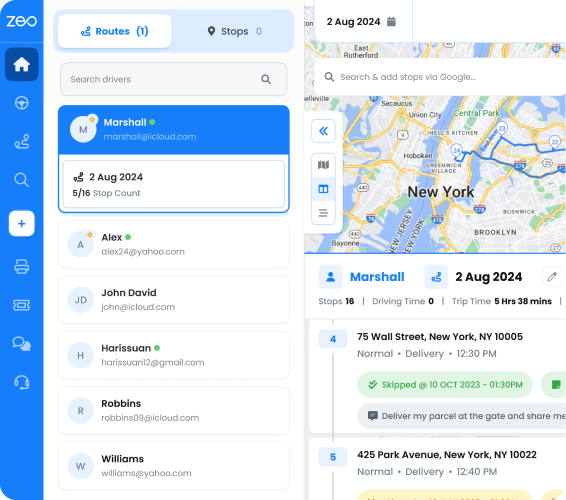
Įgūdžiais pagrįsta užduotis: Suderinkite technikų patirtį su vizitų tipais, kad sumažintumėte pakartotinių vizitų skaičių. Įrengimo specialistai tvarko naujas paslaugų sąrankas, o techninės priežiūros technikai daugiausia dėmesio skiria remonto iškvietimams. Ši specializacija pagerina pirmojo iškvietimo problemų sprendimo rodiklius ir pašalina nereikalingus tolesnius vizitus.
„Zeo Route Planner“ palaiko įgūdžių pagrindu atliekamas vairuotojo paskyrimas ir dinaminius maršrutų koregavimus, leidžiančius dispečeriams suderinti suplanuotą darbą su skubios pagalbos prioritetais, tuo pačiu išlaikant optimizuotus maršrutus visai komandai.
Investicijų grąžos skaičiuoklė: kiekybiškai įvertinkite sutaupytas lėšas dėl sutrumpinto vairavimo laiko
Apskaičiuokite savo potencialias santaupas naudodami šiuos rodiklius:
Darbo taupymasSumažinus vairavimo laiką 30 minučių per dieną, kiekvienam technikui, kurio valandinis atlyginimas yra 25 USD, sutaupoma 6.25 USD. 25 technikams, dirbantiems 250 dienų per metus: sutaupoma 39 063 USD darbo sąnaudų.
Kuro sąnaudų mažinimasPašalinus 20 nereikalingų mylių per dieną kiekvienam technikui, sutaupoma maždaug 13.40 USD transporto priemonės eksploatavimo išlaidų. Metinės santaupos 25 technikams: 83 750 USD.
Papildomi aptarnavimo pajėgumaiJei sutrumpintas vairavimo laikas leidžia gauti vieną papildomą techninės priežiūros iškvietimą per dieną kiekvienam technikui, poveikį pajamoms apskaičiuokite papildomus iškvietimus padauginę iš vidutinės techninės priežiūros vertės. Jei įrengimo iškvietimų vertė vidutiniškai siekia 150 USD: (1 papildomas iškvietimas × 25 technikai × 250 dienų × 150 USD) = 937 500 USD papildomų metinių pajamų potencialas.
Klientų pasitenkinimo poveikisGreitesnis reagavimo laikas ir patikimesni susitikimų langai pagerina klientų išlaikymą. 5 % klientų išlaikymo pagerėjimas reikšmingai veikia gyvavimo ciklo vertės skaičiavimus.
Pagal Federalinės ryšių komisijos veiklos efektyvumo ataskaitaTelekomunikacijų bendrovės, investuojančios į veiklos efektyvumą, per 18 mėnesių vidutiniškai pasiekia 240 % investicijų grąžą, daugiausia dėl geresnio paslaugų teikimo ir mažesnių veiklos sąnaudų. Panašių rezultatų pasiekta ir susijusiose srityse, tokiose kaip ŠVOK techniko vairavimo laikas optimizavimas.
Įgyvendinimo vadovas: Maršruto optimizavimo sujungimas su kabelių valdymo sistemomis
Norint sėkmingai sumažinti kabelių technikų vairavimo laiką, reikia sklandžiai integruoti maršrutų optimizavimą ir esamas kabelių valdymo sistemas.
Integracijos sąrankaSujunkite savo maršrutų optimizavimo platformą su planavimo programine įranga, klientų valdymo sistemomis ir atsargų stebėjimu. Tai užtikrins, kad technikai gautų išsamią informaciją apie darbą, įskaitant reikalingas dalis ir numatomą aptarnavimo laiką.
Dispečerio darbo eigaJūsų dispečeriai naudoja žiniatinklio pagrindu veikiančią maršrutų optimizavimo platformą, kad sukurtų efektyvius dienos maršrutus, atsižvelgdami į susitikimų prioritetus, technikų įgūdžius ir teritorijų paskyrimus. Maršrutai automatiškai atsižvelgia į vairavimo laiką, aptarnavimo langus ir pertraukų grafikus.
Techniko mobilioji prieigaLauko technikai per mobiliąją programėlę gauna optimizuotus maršrutus tiesiai į savo telefonus su nuoseklia navigacija ir klientų duomenimis. Gavus skubios pagalbos iškvietimus, dispečeriai gali akimirksniu atnaujinti maršrutus ir pranešti atitinkamam technikui. „Zeo“ mobilioji platforma veikia su keliomis navigacijos programėlėmis ir teikia GPS sekimas realiu laiku siekiant pagerinti koordinaciją.
Veiklos stebėjimasStebėkite pagrindinius rodiklius, įskaitant vidutinį vairavimo laiką vienam iškvietimui, dienos paslaugų atlikimo rodiklius ir degalų sąnaudas vienam technikui. Naudokite šiuos duomenis, kad nuolat tikslintumėte teritorijos ribas ir maršrutų strategijas.
Mokymas ir įvaikinimasVykdyti mokymus apie mobiliąją maršrutų navigaciją ir skubios pagalbos iškvietimo protokolus. Pabrėžti, kaip optimizuotas maršrutų sudarymas sumažina stresą, pašalinant spėliones dėl efektyvių kelionių maršrutų ir dienos planavimo. Įgyvendinti patikrintus parko valdymo strategijos užtikrina sklandų diegimą visoje jūsų komandoje.
Pradėkite diegimą su bandomąja 5–10 technikų grupe, kad įrodytumėte investicijų grąžą prieš diegdami visoje įmonėje. Daugumoje kabelinės televizijos operatorių pastebimas pastebimas važiavimo laiko sumažėjimas per pirmąją įdiegimo savaitę.
Dažnai užduodami klausimai
K: Kokia kabelių techniko dienos dalis paprastai praleidžiama vairuojant?
Remiantis pramonės lyginamosios analizės duomenimis, kabelių technikai maždaug 30–35 % savo darbo dienos praleidžia vairuodami tarp aptarnavimo vietų. Tai reiškia, kad kasdien vairuojant tenka 2–3 valandos ne pelno siekiančio laiko, kuris tiesiogiai veikia veiklos sąnaudas ir aptarnavimo pajėgumus.
K: Kiek pinigų kabelinės televizijos bendrovės gali sutaupyti sumažindamos technikų vairavimo laiką?
Kabelinės televizijos bendrovė, turinti 25 technikus, vien darbo sąnaudų gali sutaupyti beveik 400 000 USD per metus, sutrumpindama vairavimo laiką nuo 2.5 iki 2 valandų per dieną. Papildomai sutaupoma dėl sumažėjusių degalų sąnaudų, transporto priemonių priežiūros išlaidų ir galimybės atlikti daugiau techninės priežiūros iškvietimų per dieną.
K: Koks yra efektyviausias būdas tvarkyti avarinius kabelinės televizijos skambučius netrikdant optimizuotų maršrutų?
Veiksmingiausias būdas yra dinaminis maršruto koregavimas naudojant maršrutų optimizavimo programinę įrangą, tokią kaip „Zeo Route Planner“, kuri gali akimirksniu priskirti pagalbos iškvietimus technikams, jau dirbantiems netoliese esančiose teritorijose, tuo pačiu išlaikant optimizuotus maršrutus visai komandai.
K: Kiek techninės priežiūros iškvietimų per dieną turėtų atlikti kabelių technikas?
Geriausiai dirbantys kabelių technikai priemiesčiuose paprastai atlieka 6–8 iškvietimus per dieną, o tankiai apgyvendintose miesto zonose – 8–12 iškvietimų. Kaimo vietovių technikai paprastai susitvarko su 4–6 iškvietimais dėl ilgesnių kelionės atstumų tarp vietų.
K: Kokia vidutinė lyninio transporto priemonės eksploatavimo kaina už mylią?
Lyninių linijų transporto priemonių eksploatavimas, įskaitant degalų, priežiūros, draudimo ir nusidėvėjimo išlaidas, kainuoja maždaug 0.67 USD už mylią. Todėl maršrutų optimizavimas yra labai svarbus kontroliuojant kabelinių linijų paslaugų eksploatavimo išlaidas.
Pasiruošę sutrumpinti kabelių tiesimo specialisto vairavimo laiką ir padidinti paslaugų pajėgumus? Išbandykite nemokamai ir sužinokite, kiek vairavimo laiko jūsų kabelių tiesimo specialistai gali sutaupyti optimizuodami maršrutų išdėstymą.
Ar esate transporto parko savininkas?
Norite lengvai valdyti savo vairuotojus ir pristatymus?
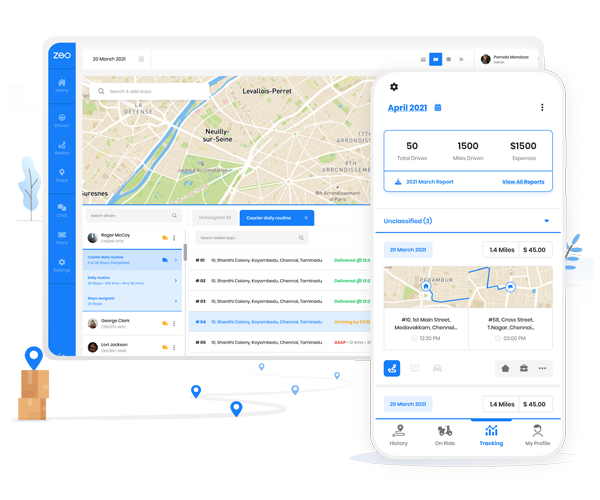
Be pastangų plėskite savo verslą naudodami Zeo Routes Planner – optimizuokite maršrutus ir lengvai valdykite kelis vairuotojus.

padidinti degalų taupymą
Sutaupykite 2 valandas nuo pristatymo kasdien!
Optimizuokite maršrutus naudodami mūsų algoritmą, efektyviai sumažindami kelionės laiką ir išlaidas.
Pradėkite nemokamai