



# Cómo reducir el tiempo de conducción del técnico de cable
> TL; DR: Las compañías de cable pueden reducir el tiempo de conducción de sus técnicos en un 28 % mediante la optimización sistemática de rutas, que combina el análisis de territorio, la agrupación de citas y los ajustes dinámicos de ruta para llamadas de emergencia. Los líderes del sector mantienen el tiempo de conducción por debajo del 20 % del total de horas de trabajo, en comparación con el 35 % en operaciones de bajo rendimiento. Plataformas de optimización de rutas como Zeo Route Planner abordan este problema con optimización de rutas basada en IA y ajustes de ruta en tiempo real, lo que ayuda a los equipos de servicio de cable a ahorrar más de 2 horas diarias.
Los técnicos de cable pasan casi un tercio de su jornada laboral conduciendo entre llamadas de servicio en lugar de atender a los clientes. Esta ineficiencia oculta agota su presupuesto de personal y limita la cantidad de clientes que su equipo puede atender cada día. Los gerentes de operaciones inteligentes están descubriendo cómo reducir el tiempo de conducción de los técnicos de cable mediante estrategias de enrutamiento basadas en datos que equilibran las citas programadas con las reparaciones de emergencia.
La solución no es sólo una mejor planificación: es un enfoque sistemático que combina la tecnología de optimización de rutas con herramientas móviles que se adaptan a las demandas de servicio del mundo real.
El costo oculto del tiempo de viaje de los técnicos de cable: por qué el 30% de su presupuesto laboral se desperdicia en el camino
Sus técnicos de cable probablemente pasan de 2 a 3 horas al día conduciendo entre las ubicaciones de servicio. Según... Datos de técnicos en telecomunicaciones de la Oficina de Estadísticas LaboralesLos técnicos de telecomunicaciones pasan en promedio el 32% de su tiempo de trabajo en tránsito, lo que convierte el tiempo de viaje en uno de los mayores gastos operativos después de los costos laborales.
Esto es lo que realmente le cuesta a su operación el tiempo de conducción excesivo:
Desperdicio de mano de obraUn técnico que gana $25 por hora y dedica 2.5 horas diarias a conducir representa $15,625 en costos anuales de tiempo de conducción por empleado. Si multiplicamos esto por 25 técnicos, obtenemos casi $400,000 al año.
Costos de combustible y vehículosEl costo promedio de operar un vehículo de servicio es de $0.67 por milla, considerando combustible, mantenimiento y depreciación. Los kilómetros de conducción innecesarios se acumulan rápidamente.
Impacto en el clienteUn enrutamiento deficiente implica menos citas de servicio al día. Si un mejor enrutamiento permite que cada técnico complete una llamada de servicio adicional al día, un equipo de 25 personas genera 6,500 visitas de servicio adicionales al año.
El problema se agrava durante los períodos pico de servicio, cuando las llamadas de emergencia interrumpen rutas cuidadosamente planificadas, obligando a los técnicos a cruzar territorios varias veces.
Cómo calcular el tiempo de conducción perdido (y los parámetros del sector)
Antes de optimizar las rutas, mida su rendimiento actual utilizando estas métricas clave:
Tiempo promedio de conducción diaria: Registre diariamente el total de horas de conducción por técnico. Los líderes del sector mantienen el tiempo de conducción por debajo del 20 % del total de horas de trabajo, mientras que las operaciones de bajo rendimiento registran un 35 % o más.
Millas por llamada de servicioCalcule el total de millas diarias dividido entre las llamadas de servicio completadas. Las operaciones de cable eficientes promedian entre 8 y 12 millas por llamada de servicio, dependiendo de la densidad del territorio.
Llamadas de servicio por díaLos técnicos de alto rendimiento realizan entre 6 y 8 llamadas de servicio diarias en zonas suburbanas y entre 8 y 12 en zonas urbanas densamente pobladas. Los técnicos rurales suelen gestionar entre 4 y 6 llamadas debido a las mayores distancias.
Utilice esta sencilla fórmula para identificar el desperdicio: (Horas de conducción actuales × Tarifa por hora × Días laborables × Tamaño del equipo) = Costo anual del tiempo de conducción. Compare esto con los parámetros del sector para cuantificar el potencial de mejora.
Un estudio de la Asociación Nacional de Oficiales de Telecomunicaciones muestra que las compañías de cable que utilizan la optimización de rutas reducen el tiempo de viaje en un promedio del 28%, lo que se traduce en ahorros de costos significativos y una mejor capacidad de servicio al cliente.
Marco de optimización de rutas de servicio de cable de 5 pasos
Siga este enfoque sistemático para reducir el tiempo de conducción del técnico de cable en toda su operación:
Paso 1: Análisis del territorio y zonificación
Divida su área de servicio en zonas lógicas según el tiempo de viaje, no solo los límites geográficos. Cada zona debe permitir de 6 a 8 llamadas de servicio sin retrocesos excesivos. Considere factores como los patrones de tráfico, la ubicación de los puentes y los horarios de cita habituales.
Paso 2: Agrupación de citas
Programe citas por grupos geográficos en lugar de cronológicamente. Agrupe las citas matutinas en una zona y las de la tarde en áreas adyacentes. Esto reduce los patrones de conducción en zigzag que desperdician tiempo y combustible.
Paso 3: Optimización de la secuencia de rutas
Determine la secuencia de paradas más eficiente dentro de cada territorio. Empiece con las citas más lejanas y avance hacia la estación, o utilice patrones radiales para ubicaciones dispersas. La optimización de rutas con IA de Zeo Route Planner secuencia automáticamente las paradas para minimizar el tiempo de viaje, atendiendo a más de 1.5 millones de usuarios en más de 150 países.
Paso 4: Gestión de la ventana de tiempo
Establezca ventanas de tiempo realistas que consideren la complejidad del servicio y el tiempo de viaje. Deje un margen de 15 minutos entre citas en zonas densas y de 30 minutos en zonas rurales. Evite programar citas consecutivas en territorios distantes.
Paso 5: Integración de llamadas de emergencia
Desarrolle protocolos para atender llamadas de servicio urgentes sin afectar las rutas optimizadas. Asigne las llamadas de emergencia a los técnicos que ya trabajan en zonas cercanas, en lugar de a la siguiente persona disponible.
Estrategias avanzadas: Cómo equilibrar las citas programadas con las llamadas de emergencia
Las operaciones de cable enfrentan desafíos únicos para equilibrar el mantenimiento planificado con las solicitudes de servicio urgentes. Las interrupciones de emergencia y las citas de instalación no pueden esperar, lo que dificulta la optimización tradicional de las rutas.
Ajuste de ruta dinámicaCuando surjan llamadas de emergencia, reasignarlas a los técnicos que trabajan en los territorios más cercanos. Esto evita que un técnico tenga que cruzar la ciudad mientras otro trabaja cerca. Moderno software de optimización de rutas Permite ajustes de ruta en tiempo real que mantienen la eficiencia a pesar de cambiar las prioridades.
Zonas de respuesta a emergenciasDesigne técnicos específicos como personal de emergencia para diferentes territorios durante las horas punta. Estos técnicos manejan cargas programadas más ligeras, pero pueden responder rápidamente a llamadas urgentes dentro de sus zonas asignadas.

aumentar el ahorro de combustible
¡Ahorre $200 en combustible mensualmente!
Optimice rutas con nuestro algoritmo, reduciendo tiempos y costos de viaje de manera eficiente.
Empieza gratis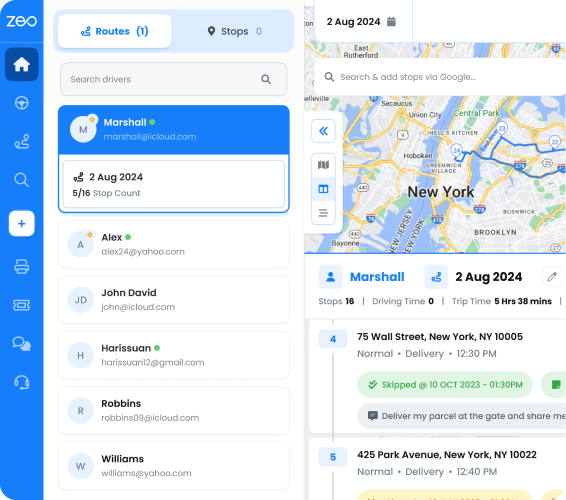
Asignación basada en habilidades: Combine la experiencia de los técnicos con los tipos de cita para reducir las visitas recurrentes. Los especialistas en instalación gestionan las nuevas configuraciones de servicio, mientras que los técnicos de mantenimiento se centran en las llamadas de reparación. Esta especialización mejora las tasas de resolución en la primera llamada y elimina las visitas de seguimiento innecesarias.
Zeo Route Planner admite asignación de conductor basada en habilidades y ajustes dinámicos de rutas, lo que permite a los despachadores equilibrar el trabajo programado con las prioridades de emergencia mientras mantienen rutas optimizadas para todo el equipo.
Calculadora de ROI: cuantificación del ahorro de costos derivado de la reducción del tiempo de conducción
Calcule su ahorro potencial utilizando estas métricas:
Ahorro de mano de obraReducir el tiempo de conducción en 30 minutos diarios supone un ahorro de $6.25 por técnico con un salario de $25 la hora. Para 25 técnicos que trabajan 250 días al año: un ahorro de $39,063 en mano de obra.
Reducción del costo del combustibleEliminar 20 kilómetros innecesarios diarios por técnico ahorra aproximadamente $13.40 en costos operativos del vehículo. Ahorro anual para 25 técnicos: $83,750.
Capacidad de servicio adicionalSi la reducción del tiempo de conducción permite una visita de servicio adicional por técnico al día, calcule el impacto en los ingresos multiplicando las visitas adicionales por el valor promedio del servicio. Para visitas de instalación con un promedio de $150: (1 visita adicional × 25 técnicos × 250 días × $150) = $937,500 de potencial de ingresos anuales adicionales.
Impacto en la satisfacción del clienteTiempos de respuesta más rápidos y horarios de citas más confiables mejoran la retención de clientes. Una mejora del 5 % en la retención de clientes impacta significativamente los cálculos del valor de vida del cliente.
Según el Informe de eficiencia operativa de la Comisión Federal de ComunicacionesLas empresas de telecomunicaciones que invierten en eficiencia operativa obtienen un retorno de la inversión (ROI) promedio del 240 % en 18 meses, principalmente gracias a una mejor prestación de servicios y la reducción de costos operativos. Se han logrado resultados similares en campos relacionados como... Tiempo de conducción del técnico de HVAC mejoramiento.
Guía de implementación: Cómo conectar la optimización de rutas con sus sistemas de gestión de cables
Para reducir con éxito el tiempo de conducción del técnico de cables se requiere una integración perfecta entre la optimización de rutas y sus sistemas de gestión de cables existentes.
Configuración de integraciónConecte su plataforma de optimización de rutas con software de programación, sistemas de gestión de clientes y seguimiento de inventario. Esto garantiza que los técnicos reciban información completa del trabajo, incluyendo las piezas necesarias y el tiempo estimado de servicio.
Flujo de trabajo del despachadorSus despachadores utilizan la plataforma web de optimización de rutas para crear rutas diarias eficientes, considerando la prioridad de las citas, las habilidades de los técnicos y la asignación de territorio. Las rutas consideran automáticamente el tiempo de conducción, las ventanas de servicio y los horarios de descanso.
Acceso móvil para técnicosLos técnicos de campo reciben rutas optimizadas directamente en sus teléfonos a través de la aplicación móvil, con navegación paso a paso y detalles del cliente. Cuando surgen llamadas de emergencia, los despachadores pueden actualizar las rutas al instante y notificar al técnico correspondiente. La plataforma móvil de Zeo es compatible con múltiples aplicaciones de navegación y proporciona... seguimiento de GPS en tiempo real para mejorar la coordinación.
Supervisión del rendimientoMonitoree métricas clave, como el tiempo promedio de conducción por llamada, las tasas diarias de finalización de servicio y el costo de combustible por técnico. Utilice estos datos para refinar continuamente los límites territoriales y las estrategias de enrutamiento.
Formación y Adopción: Brindar capacitación sobre navegación móvil y protocolos de llamadas de emergencia. Enfatizar cómo la optimización de rutas reduce el estrés al eliminar las dudas sobre rutas de viaje eficientes y la programación diaria. Implementar métodos probados. estrategias de gestión de flotas garantiza una adopción fluida en todo el equipo.
Comience la implementación con un grupo piloto de 5 a 10 técnicos para comprobar el retorno de la inversión antes de implementarla en toda la empresa. La mayoría de las operaciones de cable experimentan una reducción medible del tiempo de conducción durante la primera semana de implementación.
Preguntas frecuentes
P: ¿Qué porcentaje de la jornada de un técnico de cable se pasa normalmente conduciendo?
Según los parámetros del sector, los técnicos de cable dedican aproximadamente entre el 30 % y el 35 % de su jornada laboral a desplazarse entre las ubicaciones de servicio. Esto se traduce en 2 o 3 horas diarias de conducción no rentable, lo que repercute directamente en los costos operativos y la capacidad de servicio.
P: ¿Cuánto dinero pueden ahorrar las compañías de cable al reducir el tiempo de conducción de los técnicos?
Una compañía de cable con 25 técnicos puede ahorrar casi $400,000 al año solo en costos de mano de obra al reducir el tiempo de conducción de 2.5 a 2 horas diarias. Los ahorros adicionales provienen de la reducción en los costos de combustible, el mantenimiento del vehículo y la posibilidad de realizar más llamadas de servicio al día.
P: ¿Cuál es la forma más efectiva de gestionar llamadas de servicio de cable de emergencia sin interrumpir las rutas optimizadas?
El enfoque más eficaz es el ajuste dinámico de rutas utilizando software de optimización de rutas como Zeo Route Planner, que puede reasignar instantáneamente llamadas de emergencia a técnicos que ya trabajan en territorios cercanos mientras mantiene rutas optimizadas para todo el equipo.
P: ¿Cuántas llamadas de servicio debe realizar un técnico de cable por día?
Los técnicos de cable de alto rendimiento suelen realizar entre 6 y 8 llamadas de servicio diarias en zonas suburbanas y entre 8 y 12 en zonas urbanas densamente pobladas. Los técnicos rurales suelen gestionar entre 4 y 6 llamadas debido a las mayores distancias de viaje entre ubicaciones.
P: ¿Cuál es el costo promedio por milla para operar un vehículo de servicio de cable?
El costo operativo de los vehículos de servicio de cable es de aproximadamente $0.67 por milla, considerando los costos de combustible, mantenimiento, seguro y depreciación. Esto hace que la optimización de rutas sea crucial para controlar los gastos operativos en las operaciones de servicio de cable.
¿Listo para reducir el tiempo de viaje de sus técnicos de cable y aumentar la capacidad de servicio? Comience una prueba gratuita y descubra cuánto tiempo de viaje pueden ahorrar sus técnicos de cable con un enrutamiento optimizado.
¿Es usted propietario de una flota?
¿Quiere gestionar sus conductores y entregas fácilmente?
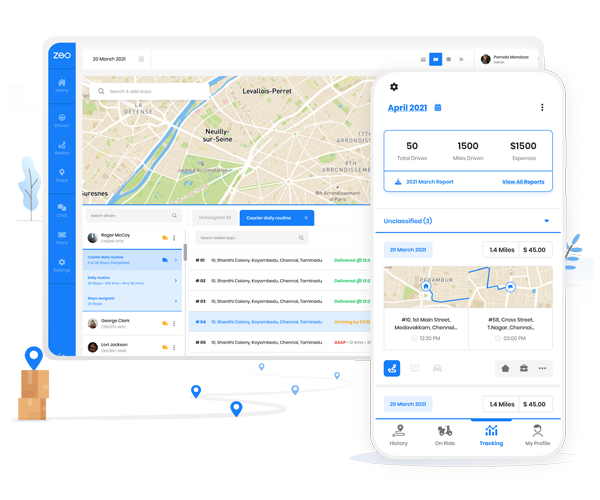
Haga crecer su negocio sin esfuerzo con Zeo Routes Planner: optimice las rutas y administre múltiples conductores con facilidad.

aumentar el ahorro de combustible
¡Ahorre 2 horas en entregas todos los días!
Optimice rutas con nuestro algoritmo, reduciendo tiempos y costos de viaje de manera eficiente.
Empieza gratis