



# Hogyan csökkenthető a kábelszerelő vezetési ideje
> TL; DR: A kábelszolgáltatók 28%-kal csökkenthetik a technikusok vezetési idejét a szisztematikus útvonal-optimalizálás révén, amely ötvözi a területelemzést, az időpont-csoportosítást és a dinamikus útvonal-módosításokat a vészhelyzeti hívásokhoz. Az iparágvezetők a vezetési időt a teljes munkaidő 20%-a alatt tartják, szemben az alulteljesítő műveletek 35%-ával. Az olyan útvonal-optimalizáló platformok, mint a Zeo Route Planner, ezt mesterséges intelligencia által vezérelt útvonal-optimalizálással és valós idejű útvonal-módosítással kezelik, segítve a kábelszolgáltató csapatokat napi 2+ óra munkaidő-megtakarításban.
A kábelszerelők munkanapjuk közel egyharmadát a szervizelések közötti vezetéssel töltik ahelyett, hogy kiszolgálnák az ügyfeleket. Ez a rejtett hatékonysághiány felemészti a munkaerő-keretet, és korlátozza, hogy hány ügyfélnek tud a csapata naponta segíteni. Az okos üzemeltetési vezetők felfedezik, hogyan csökkenthetik a kábelszerelők vezetési idejét adatvezérelt útvonaltervezési stratégiák segítségével, amelyek egyensúlyt teremtenek az ütemezett időpontok és a sürgősségi javítások között.
A megoldás nem csupán a jobb tervezés – hanem egy szisztematikus megközelítés, amely az útvonaloptimalizálási technológiát a valós szolgáltatási igényekhez alkalmazkodó mobil eszközökkel ötvözi.
A kábelszerelő vezetési idejének rejtett költsége: Miért vész kárba a munkaerő-költségvetés 30%-a az úton?
A kábelszerelők valószínűleg napi 2-3 órát töltenek a szervizelési helyszínek közötti vezetéssel. A ... szerint Munkaügyi Statisztikai Hivatal telekommunikációs technikusok adataiA telekommunikációs technikusok munkaidejük átlagosan 32%-át töltik úton, így a vezetési idő a munkaerőköltségek után az egyik legnagyobb működési költség.
Íme, hogy mennyibe kerül valójában a túlzott vezetési idő a vállalkozásának:
Munkaerő-hulladékEgy óránként 25 dollárt kereső, napi 2.5 órát vezető szerelő éves vezetési költsége alkalmazottanként 15 625 dollár. Ha ezt megszorozzuk 25 szerelővel, akkor közel 400 000 dollárt kapunk évente.
Üzemanyag- és járműköltségekEgy átlagos szervizjármű üzemeltetése mérföldenként 0.67 dollárba kerül, figyelembe véve az üzemanyagot, a karbantartást és az értékcsökkenést. A felesleges vezetési kilométerek gyorsan összeadódnak.
ÜgyfélhatásA rossz útvonaltervezés kevesebb szervizelési időpontot jelent naponta. Ha a jobb útvonaltervezés lehetővé teszi minden szerelő számára, hogy naponta egy további szervizhívást végezzen el, akkor egy 25 fős csapat évente 6,500 további szervizlátogatást generál.
A probléma a csúcsidőszakokban súlyosbodik, amikor a segélyhívások megzavarják a gondosan megtervezett útvonalakat, és arra kényszerítik a technikusokat, hogy többször is átkeljenek a területeken.
Hogyan számítsa ki a jelenlegi vezetési időveszteségét (plusz iparági referenciaértékek)
Az útvonalak optimalizálása előtt mérje fel jelenlegi teljesítményét a következő főbb mutatók segítségével:
Átlagos napi vezetési időNaponta nyomon követheti az egy technikusra jutó vezetési órák számát. Az iparágvezető vállalatok a vezetési időt a teljes munkaidő 20%-a alatt tartják, míg az alulteljesítő üzemek esetében ez az arány 35% vagy annál magasabb.
Mérföldek szervizhívásonként: Számítsa ki a napi megtett kilométerek számát elosztva a befejezett szervizhívások számával. A hatékony kábelműveletek átlagosan 8-12 mérföldet tesznek meg szervizhívásonként, a területsűrűségtől függően.
Napi szervizhívásokA legjobban teljesítő szerelők naponta 6-8 kiszállást teljesítenek külvárosi területeken, 8-12-t sűrűn lakott városi területeken. A vidéki szerelők jellemzően 4-6 kiszállást kezelnek a nagyobb távolságok miatt.
Használd ezt az egyszerű képletet a veszteség azonosítására: (Jelenlegi vezetési órák × Órabér × Munkanapok × Csapatlétszám) = Éves vezetési idő költség. Hasonlítsd ezt össze az iparági referenciaértékekkel a fejlesztési potenciál számszerűsítéséhez.
Kutatás a Országos Távközlési Tisztviselők Szövetsége azt mutatja, hogy az útvonal-optimalizálást alkalmazó kábelszolgáltatók átlagosan 28%-kal csökkentik a vezetési időt, ami jelentős költségmegtakarítást és jobb ügyfélszolgálati kapacitást eredményez.
Az 5 lépéses kábelszolgáltatási útvonal-optimalizálási keretrendszer
Kövesse ezt a szisztematikus megközelítést a kábelszerelők vezetési idejének csökkentése érdekében a teljes üzemében:
1. lépés: Területelemzés és övezeti besorolás
Oszd fel a szolgáltatási területed logikai zónákra a vezetési idő alapján, ne csak a földrajzi határok alapján. Minden zónának 6-8 kiszállást kell lehetővé tennie túlzott visszalépés nélkül. Vegyél figyelembe olyan tényezőket, mint a forgalmi minták, a hidak elhelyezkedése és a tipikus időpontfoglalási időszakok.
2. lépés: Időpontok csoportosítása
Az időpontokat földrajzi csoportokba ütemezze, ne időrendi sorrendbe. A délelőtti találkozókat egy zónába, a délutáni hívásokat pedig a szomszédos területekre ossza be. Ez csökkenti a cikcakk vezetési mintákat, amelyek időt és üzemanyagot pazarolnak.
3. lépés: Útvonal-szekvencia optimalizálása
Határozza meg a leghatékonyabb megállási sorrendet az egyes területeken belül. Kezdje a legtávolabbi találkozókkal, és haladjon a depó felé, vagy használjon ívelt útvonaltervet a szétszórt helyszínekhez. A Zeo Route Planner mesterséges intelligenciával vezérelt útvonaloptimalizálása automatikusan beállítja a megállókat a vezetési idő minimalizálása érdekében, több mint 1.5 millió felhasználót szolgálva ki több mint 150 országban.
4. lépés: Időablak-kezelés
Reális időablakokat kell kialakítani, amelyek figyelembe veszik a szolgáltatások összetettségét és a vezetési időt. Sűrűn lakott területeken 15 perces, vidéki területeken 30 perces szüneteket kell tartani az időpontok között. Kerülje a távoli területeken egymás utáni időpontok ütemezését.
5. lépés: Segélyhívás integrációja
Készítsen protokollokat a sürgős szervizhívások kezelésére az optimalizált útvonalak felborítása nélkül. Rendelje a vészhelyzeti hívásokat a közeli zónákban már dolgozó technikusokhoz, ahelyett, hogy a következő elérhető személyhez rendelné.
Haladó stratégiák: Az ütemezett időpontok és a sürgősségi hívások egyensúlyban tartása
A kábelüzemeltetés egyedi kihívásokkal néz szembe a tervezett karbantartás és a sürgős szervizigénylések egyensúlyozása terén. A vészhelyzeti leállások és a telepítési időpontok nem várhatnak, ami a hagyományos útvonal-optimalizálást még bonyolultabbá teszi.
Dinamikus útvonal-beállításVészhelyzeti hívások esetén rendelje át azokat a legközelebbi területeken dolgozó technikusokhoz. Ez megakadályozza, hogy az egyik technikus átautózzon a városon, miközben egy másik a közelben dolgozik. Modern útvonaloptimalizáló szoftver lehetővé teszi a valós idejű útvonal-módosításokat, amelyek a prioritások változása ellenére is fenntartják a hatékonyságot.
Vészhelyzeti reagálási zónákJelöljön ki konkrét technikusokat vészhelyzeti reagálókként a különböző területeken csúcsidőben. Ezek a technikusok könnyebb ütemezett terheléseket kezelnek, de gyorsan reagálhatnak a sürgős hívásokra a kijelölt zónáikon belül.

növeli az üzemanyag-megtakarítást
Takarítson meg 2 órát a kiszállítással, mindennap!
Optimalizálja az útvonalakat algoritmusunkkal, így hatékonyan csökkenti az utazási időt és a költségeket.
Get Started ingyen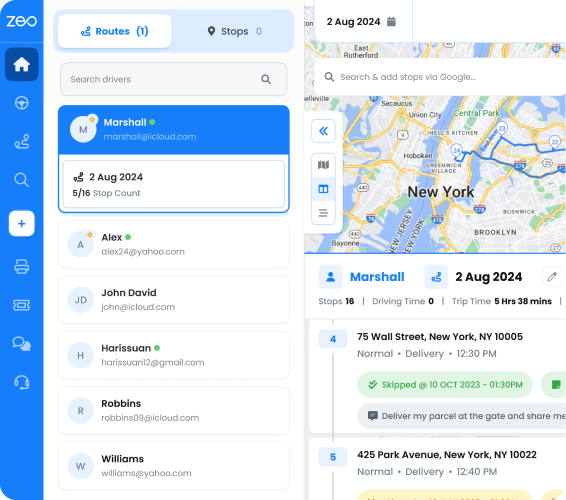
Készség alapú feladatA technikusok szakértelmének és az időpontok típusának összehangolása révén csökkenthető a visszatérő látogatások száma. A telepítési szakemberek az új szervizbeállításokat kezelik, míg a karbantartó technikusok a javítási kiszállásokra koncentrálnak. Ez a specializáció javítja az első kiszállás utáni megoldási arányt, és kiküszöböli a felesleges utólagos kiszállásokat.
A Zeo Route Planner támogatja a képességalapú vezetői hozzárendelés és a dinamikus útvonal-módosítások, amelyek lehetővé teszik a diszpécserek számára, hogy egyensúlyt teremtsenek az ütemezett munkák és a vészhelyzeti prioritások között, miközben optimalizált útvonalakat tartanak fenn a teljes csapat számára.
ROI kalkulátor: A csökkentett vezetési időből adódó költségmegtakarítás számszerűsítése
Számítsa ki a lehetséges megtakarításait a következő mutatók segítségével:
Munkaerő-megtakarításA napi vezetési idő 30 perccel történő csökkentése technikusonként 6.25 dollár megtakarítást jelent 25 dolláros órabér mellett. 25 technikus esetében, akik évi 250 napot dolgoznak: 39 063 dollár munkaerő-megtakarítás.
Üzemanyagköltség-csökkentésHa szerelőnként napi 20 felesleges kilométert szüntetünk meg, azzal körülbelül 13.40 dollárt takarítunk meg a jármű üzemeltetési költségein. Éves megtakarítás 25 szerelő esetén: 83 750 dollár.
További szolgáltatási kapacitásHa a csökkentett vezetési idő naponta egy plusz szervizhívást tesz lehetővé szerelőnként, a bevételre gyakorolt hatás kiszámításához szorozza meg a plusz hívásokat az átlagos szolgáltatásértékkel. Az átlagosan 150 dolláros telepítési hívások esetén: (1 plusz hívás × 25 szerelő × 250 nap × 150 dollár) = 937 500 dollár további éves bevételi potenciál.
Ügyfél-elégedettség hatásaA gyorsabb válaszidők és a megbízhatóbb időpontfoglalási ablakok javítják az ügyfélmegtartást. Az ügyfélmegtartás 5%-os javulása jelentősen befolyásolja az élettartam-érték számításokat.
Szerint Szövetségi Kommunikációs Bizottság működési hatékonysági jelentéseA működési hatékonyságba befektető telekommunikációs vállalatok átlagosan 240%-os megtérülést (ROI) érnek el 18 hónapon belül, elsősorban a jobb szolgáltatásnyújtás és a csökkentett működési költségek révén. Hasonló eredményeket értek el a kapcsolódó területeken is, mint például HVAC szerelő vezetési ideje optimalizálás.
Megvalósítási útmutató: Az útvonaloptimalizálás összekapcsolása a kábelkezelő rendszerekkel
A kábelszerelők vezetési idejének sikeres csökkentéséhez zökkenőmentes integrációra van szükség az útvonaloptimalizálás és a meglévő kábelkezelő rendszerek között.
Integráció beállítása: Kapcsolja össze útvonaloptimalizáló platformját ütemezőszoftverrel, ügyfélkezelő rendszerekkel és készletnyilvántartással. Ez biztosítja, hogy a technikusok teljes körű információkat kapjanak a munkáról, beleértve a szükséges alkatrészeket és a becsült szervizidőt.
Diszpécser munkafolyamataA diszpécserek a webalapú útvonal-optimalizáló platformot használják hatékony napi útvonalak létrehozására, figyelembe véve az időpontok prioritásait, a technikusok készségeit és a területi kiosztásokat. Az útvonalak automatikusan figyelembe veszik a vezetési időt, a szervizablakokat és a szünetidőszakokat.
Technikus mobil hozzáférésA terepi technikusok optimalizált útvonalakat kapnak közvetlenül a telefonjukra a mobilalkalmazáson keresztül, lépésről lépésre történő navigációval és ügyféladatokkal kiegészítve. Sürgősségi hívások esetén a diszpécserek azonnal frissíthetik az útvonalakat, és értesíthetik a megfelelő technikust. A Zeo mobilplatformja több navigációs alkalmazással is működik, és a következőket biztosítja: valós idejű GPS követés a jobb koordináció érdekében.
Teljesítmény figyelésKövesse nyomon a legfontosabb mutatókat, beleértve a hívásonkénti átlagos vezetési időt, a napi szervizelési arányokat és a technikusonkénti üzemanyagköltségeket. Használja ezeket az adatokat a területhatárok és az útvonaltervezési stratégiák folyamatos finomítására.
Képzés és örökbefogadás: Mobil útvonalnavigációval és vészhelyzeti hívási protokollokkal kapcsolatos képzés biztosítása. Hangsúlyozza, hogy az optimalizált útvonaltervezés hogyan csökkenti a stresszt azáltal, hogy kiküszöböli a hatékony utazási útvonalakkal és a napi ütemezéssel kapcsolatos találgatásokat. Bevált módszerek bevezetése. flottakezelési stratégiák zökkenőmentes bevezetést biztosít a csapaton belül.
A bevezetés megkezdéséhez egy 5-10 technikusból álló kísérleti csoporttal kell elkezdeni a megvalósítást, hogy a vállalat egészére kiterjedő bevezetés előtt bizonyítani lehessen a befektetés megtérülését. A legtöbb kábeltévé-üzemeltető vállalat már a bevezetés első hetében mérhető vezetési időcsökkenést tapasztal.
Gyakran ismételt kérdések
K: Egy kábelszerelő munkanapjának hány százalékát tölti jellemzően vezetéssel?
Az iparági referenciaértékek szerint a kábelszerelők munkanapjuk körülbelül 30-35%-át vezetéssel töltik a szervizelési helyszínek között. Ez napi 2-3 óra nem bevételt generáló vezetési időt jelent, ami közvetlenül befolyásolja a működési költségeket és a szolgáltatási kapacitást.
K: Mennyi pénzt takaríthatnak meg a kábelszolgáltatók a technikusok vezetési idejének csökkentésével?
Egy 25 technikussal rendelkező kábelszolgáltató közel 400 000 dollárt takaríthat meg évente csak a munkaerőköltségeken azáltal, hogy a vezetési időt napi 2.5 óráról 2 órára csökkenti. További megtakarítást jelent az üzemanyagköltségek, a járműkarbantartási költségek csökkenése, valamint a napi több szervizhívás elvégzésének lehetősége.
K: Mi a leghatékonyabb módja a vészhelyzeti kábeltévé-szolgáltatási hívások kezelésének az optimalizált útvonalak megzavarása nélkül?
A leghatékonyabb megközelítés a dinamikus útvonal-módosítás olyan útvonal-optimalizáló szoftverek használatával, mint a Zeo Route Planner, amelyek azonnal át tudják rendelni a segélyhívásokat a közeli területeken már dolgozó technikusokhoz, miközben optimalizált útvonalakat tartanak fenn az egész csapat számára.
K: Hány szervizhívást kell egy kábelszerelőnek elvégeznie naponta?
A legjobban teljesítő kábelszerelők jellemzően napi 6-8 kiszállást teljesítenek külvárosi területeken, és 8-12 kiszállást sűrűn lakott városi területeken. A vidéki szerelők általában 4-6 kiszállást kezelnek a helyszínek közötti nagyobb utazási távolságok miatt.
K: Mennyi egy kábelszolgáltató jármű üzemeltetésének átlagos költsége mérföldenként?
A kábelszolgáltató járművek üzemeltetése mérföldenként körülbelül 0.67 dollárba kerül, figyelembe véve az üzemanyag-, karbantartási, biztosítási és értékcsökkenési költségeket. Ez az útvonal-optimalizálást kulcsfontosságúvá teszi a kábelszolgáltatók működési költségeinek ellenőrzése szempontjából.
Készen áll arra, hogy csökkentse kábelszerelője vezetési idejét és növelje a szolgáltatási kapacitást? Indítson el egy ingyenes próbaverziót, és nézze meg, mennyi vezetési időt takaríthatnak meg kábelszerelői az optimalizált útvonaltervezéssel.
Ön flottatulajdonos?
Könnyen szeretné kezelni a járművezetőket és a szállításokat?
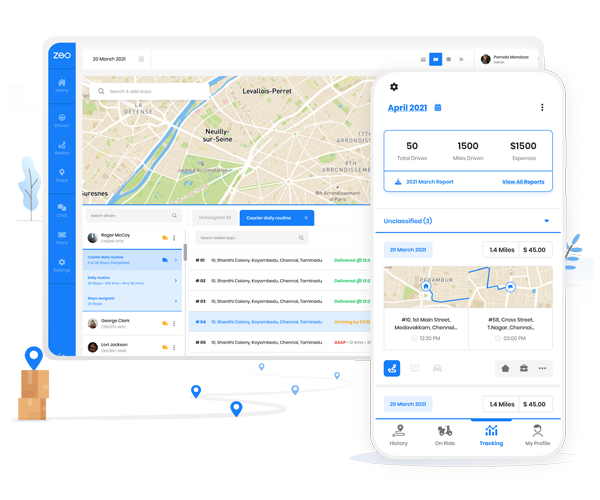
Fejlessze vállalkozását erőfeszítés nélkül a Zeo Routes Planner segítségével – optimalizálja az útvonalakat és kezeljen könnyedén több járművezetőt.

növeli az üzemanyag-megtakarítást
Takarítson meg 200 dollárt az üzemanyagon, havonta!
Optimalizálja az útvonalakat algoritmusunkkal, így hatékonyan csökkenti az utazási időt és a költségeket.
Get Started ingyen