



# Sådan optimerer du ruter til telekommunikationsfeltservice
> TL; DR: Ruteoptimering inden for telekommunikationsfelt kræver dynamiske systemer, der balancerer planlagt vedligeholdelse med nødberedskab, samtidig med at de håndterer begrænsninger i færdigheder og udstyr. Avanceret routing reducerer driftsomkostningerne inden for telekommunikation med 20-35 % gennem hurtigere nødberedskab og reduceret gentagelse af lastbilruller. Ruteoptimeringsværktøjer som Zeo Route Planner adresserer dette med AI-drevet optimering og færdighedsbaseret chaufførtildeling, hvilket hjælper telekommunikationsteams med at spare 2+ timer dagligt.
Telekommunikations feltservice står over for en unik udfordring: at balancere planlagt vedligeholdelsesarbejde med nødafbrydelser i netværket, samtidig med at man håndterer specialudstyr og teknikerfærdigheder på tværs af store serviceområder. At lære at optimere ruter inden for telekommunikations feltservice effektivt betyder at forstå, at dårlige rutebeslutninger ikke bare spilder brændstof – de fører til forsinkede reparationer, adskillige lastbilkørseler og netværksnedetid, der koster millioner.
De skjulte omkostninger ved ineffektiv telekommunikationsrouting rækker langt ud over køretøjsudgifter. Hver ekstra kilometer, der køres, betyder længere afbrydelser hos kunder, øgede overtidsomkostninger og frustrerede teknikere, der jonglerer nødopkald med planlagte installationer.
De skjulte omkostninger ved dårlig ruteplanlægning inden for telekommunikation (hvorfor hver ekstra kilometer betyder noget)
Telekommunikationsoperationer i felten har betydeligt større risiko end typiske serviceruter. Når en mobilmast går ned, påvirker hvert minuts forsinkelse tusindvis af kunder og genererer et målbart indtægtstab.
Den gennemsnitlige telekommunikationsvirksomhed med 25 teknikere i marken mister 47,000 dollars om måneden på grund af ineffektivitet i routing ifølge Prioritetsstandarder for telekommunikationstjenesterDette er opdelt i tre store omkostningskategorier, som driftsledere følger nøje.
Multiplikation af netværksnedetid
Dårlig routing forvandler 2-timers afbrydelser til 4-timers katastrofer. En fiberafbrydelse, der påvirker 5,000 erhvervskunder, koster cirka 12,000 dollars i timen i tabt omsætning og bøder. Når teknikere ankommer for sent på grund af routingforsinkelser, fordobles eller tredobles disse omkostninger.
Multiplikation af lastbilruller
Ifølge industriforskning23 % af alle opkald til telekommunikationstjenester kræver genbesøg på grund af manglende udstyr eller forkerte teknikerfærdigheder. Dårlig ruteplanlægning forstærker dette problem ved at sende teknikere uden de rette dele eller ekspertise til de første opkald, hvilket garanterer dyre opfølgende besøg.
Forsinkelser i nødberedskab
Teleselskaber står over for strenge SLA-krav med bødeklausuler på i gennemsnit 500-2,000 dollars pr. mistet responstid. Når nødopkald forstyrrer dårligt planlagte ruter, har teknikere svært ved at nå kritiske afbrydelser inden for kontraktlige tidsrammer.
Ringvirkningerne strækker sig til kundetilfredshedsscorer, teknikernes moral og overtidsudgifter. Teams, der bruger 3+ timer dagligt i køretøjer, rapporterer 34% højere udskiftningsrater, hvilket skaber yderligere rekrutterings- og træningsomkostninger. kilometersporing hjælper med at kvantificere disse skjulte udgifter.
Telekommunikationsspecifikke routingudfordringer: Udstyr, færdigheder og nødberedskab
Kompleksiteten af telekommunikationsrouting stammer fra tre sammenkoblede variabler, som standardruteoptimeringsværktøjer har svært ved at håndtere samtidigt.
Udstyrsafhængigheder
Reparation af fiberoptiske kabler kræver fusionssplejsningsudstyr, der vejer over 50 kg. Vedligeholdelse af mobilmaster kræver specialiseret klatreudstyr og RF-testudstyr. Reparation af underjordiske kabler kræver graveværktøj og lokaliseringsudstyr.
Hver udstyrstype begrænser, hvilke teknikere der kan håndtere specifikke opkald. Ruteplanlæggere skal tage højde for køretøjskapacitet, udstyrstilgængelighed og opsætningstid, når de tildeler arbejdsordrer.
Færdighedsbaserede begrænsninger
Telekommunikationsarbejde spænder over flere specialiseringer: fiberteknikere, RF-ingeniører, kobberspecialister og beredskabsteams. En fiberafbrydelse kan ikke tildeles en kobberspecialist, uanset geografisk nærhed.
Færdighedsbaseret routing bliver mere kompleks, når man overvejer certificeringsniveauer. Kun certificerede klatrere kan servicere mobilmaster over 100 meter. Kun autoriserede RF-ingeniører kan modificere broadcastudstyr.
Nødafbrydelsesmønstre
Netværksafbrydelser følger ikke planlagte ruter. Når en gravemaskine skærer en større fiberledning over klokken 2, kan tre teknikere have brug for øjeblikkelig omplacering, hvilket forstyrrer omhyggeligt planlagte vedligeholdelsesplaner.
Traditionelle rutesystemer kollapser under disse dynamiske krav. Statiske ruter planlagt klokken 6 bliver forældede ved middagstid, når nødopkald omdirigerer halvdelen af arbejdsstyrken.
Sådan optimerer du ruter til telekommunikationsfeltservice: Smarte løsninger til blandede arbejdsbyrder
Effektiv telekommunikationsrouting kræver dynamiske systemer, der balancerer planlagt vedligeholdelse med nødberedskab, samtidig med at de respekterer begrænsninger inden for færdigheder og udstyr.
Prioritetsbaserede rutestrukturer
Strukturer ruter omkring tre prioritetsniveauer: nødsituation (netværksafbrydelser), hastesituation (påvirker tjenesten) og vedligeholdelse (forebyggende arbejde). Nødopkald udløser automatisk en genberegning af ruten for berørte teknikere.
Zeo Route Planner håndterer dette gennem prioriterede stop og dynamiske rutejusteringer. Når nødopkald ankommer, kan dispatchere øjeblikkeligt omfordele den nærmeste kvalificerede tekniker, mens de automatisk omfordeler deres planlagte arbejde til andre teammedlemmer.
Matchning af færdigheder og udstyr
Knyt teknikerens færdigheder til nødvendige certificeringer og tilgængeligt udstyr. Opret routingregler, der kun tildeler fiberreparationer til fusionscertificerede teknikere med splejsningsudstyr.
Dette forhindrer det dyre scenarie, hvor teknikere ankommer til arbejdspladser ude af stand til at udføre arbejdet på grund af manglende færdigheder eller værktøj. Validering før arbejde reducerer gentagelsen af lastbilruller med 31% ifølge undersøgelser fra telekommunikationsindustrien.
Optimering af geografiske zoner
Opdel serviceområder i logiske zoner baseret på infrastrukturtyper og teknikerspecialiseringer. Tildel fiberspecialister til områder med høj fibertæthed og mobilteknikere til regioner med mange mastnetværk.
Zonebaseret ruteplanlægning reducerer den gennemsnitlige køretid, samtidig med at det sikres, at den rette ekspertise matcher de lokale infrastrukturbehov. Teknikerne udvikler fortrolighed med deres zoner, hvilket forbedrer diagnosticeringshastigheden og antallet af førstegangsreparationer. Software til ruteoptimering muliggør denne geografiske specialiseringstilgang.
ROI-beregner: Måling af ruteoptimeringseffekt i telekommunikationsdrift
ROI-beregninger for optimering af telekommunikationsruter skal inkludere forbedringer af netværkets oppetid og gevinster ved overholdelse af SLA'er sammen med traditionelle omkostningsbesparelser.
Direkte omkostningsbesparelser (månedlige)
- Brændstofreduktion (20-35%): $3,200-5,600 for en flåde på 25 teknikere
- Overtidsreduktion (15-25%): $8,400-14,000 om måneden
- Reduktion af rullekrængninger i lastbiler (25-40%): $12,000-19,200 om måneden
- Samlede direkte besparelser: $23,600-38,800 om måneden
Forbedringer af netværksoppetiden
Hurtigere nødberedskab reducerer den gennemsnitlige varighed af afbrydelser fra 3.2 timer til 1.8 timer. For teleselskaber, der betjener erhvervskunder, forhindrer denne forbedring nedetid på 142,000 USD om måneden og SLA-gebyrer.
Forbedringer ved SLA-overholdelse
Overholdelse af SLA'er for nødberedskab eliminerer bøder på i gennemsnit 1,200 USD pr. mistet forpligtelse. Virksomheder misser typisk 12-18 SLA'er om måneden på grund af ruteforsinkelser, hvilket repræsenterer 14,400-21,600 USD i forebyggelige bøder.
Årlig ROI-beregning
Samlede månedlige ydelser: $180,000-198,400
Årlige fordele: $2,160,000-2,380,800
Investering i ruteoptimering: 180,000 USD (software + implementering)
Første års investeringsafkast: 1,100-1,220 %
Disse beregninger udelukker bløde fordele som forbedret teknikertilfredshed, kundefastholdelse og forbedringer af overholdelse af lovgivningen.
Avanceret telekommunikationsrouting: Færdighedsbaseret dispatch og udstyrsafhængigheder
Avancerede telekommunikationsroutingsystemer skal samtidig optimere for geografi, færdigheder, udstyr og tidsbegrænsninger, samtidig med at de opretholder fleksibilitet ved nødafbrydelser.
Multi-begrænsningsoptimering
Implementer routingalgoritmer, der tager højde for teknikerens placering, færdighedscertificeringer, køretøjsudstyr og den aktuelle arbejdsbyrde samtidigt. Dette forhindrer tildelinger, der ser geografisk optimale ud, men mislykkes på grund af manglende kapaciteter.

øge brændstofbesparelser
Spar 200 USD på brændstof, månedligt!
Optimer ruter med vores algoritme, hvilket reducerer rejsetid og omkostninger effektivt.
Kom i gang gratis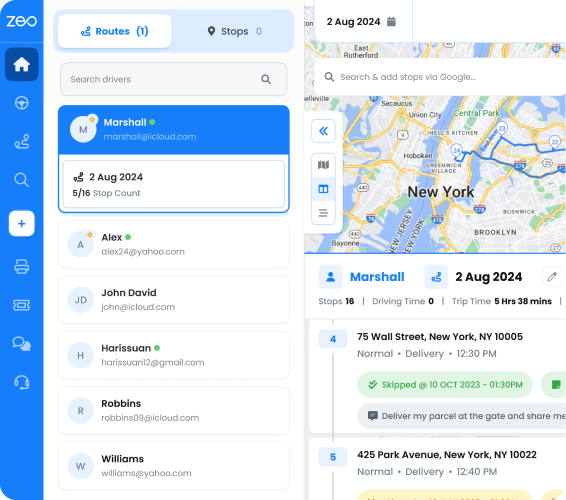
Zeo'er færdighedsbaseret chaufførtildeling Funktionen giver dispatchere mulighed for at mærke teknikere med specifikke certificeringer (fibersplejsning, tårnklatring, RF-certificering) og automatisk matche dem med relevante arbejdsordrer.
Integration af udstyrslager
Forbind ruteplanlægning med udstyrssporing i realtid. Ved planlægning af fiberreparationsruter skal systemet verificere tilgængeligheden af fusionssplejsningsudstyr, før arbejde tildeles.
Spor udstyrsplacering på tværs af køretøjer og lagre. Hvis en teknikers køretøj mangler det nødvendige udstyr, skal opkaldet enten omfordeles eller sendes gennem et udstyrsdepot først.
Arbejdsbelastningsbalancering
Fordel komplekse opgaver på tværs af teamet for at forhindre flaskehalse i kompetencer. Hvis kun tre teknikere håndterer tårnarbejde, så fordel tårnvedligeholdelsen over flere dage i stedet for at gruppere det.
Overvåg individuelle teknikeres arbejdsbyrder for både kompleksitet og køretid. En tekniker, der håndterer tre komplekse installationer, bør have kortere ruter end en person, der udfører rutinemæssig vedligeholdelse.
Realtidstilpasning
Byg routingsystemer, der automatisk genberegner, når der opstår nødsituationer. Når et større strømafbrydelse kræver flere teknikere, bør systemet øjeblikkeligt bestemme den bedste omplaceringsstrategi.
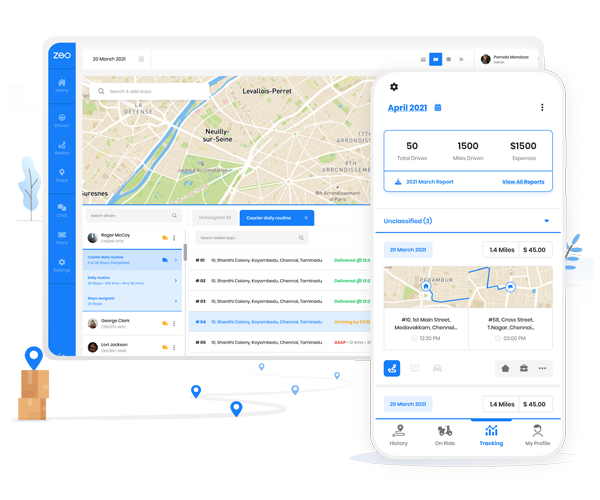
Mens dispatchere optimerer ruter fra webplatformen, modtager feltteknikere deres opgaver via Zeo-mobilappen med opdateringer i realtid, når nødopkald kræver rutejusteringer.
Integrationsstrategi: Forbindelse af ruteoptimering med Telecom Workforce Management
Ruteoptimering leverer maksimal værdi, når den integreres med eksisterende systemer til styring af arbejdsstyrken og arbejdsordrer inden for telekommunikation.
Integration af arbejdsordresystem
Forbind ruteoptimering direkte til arbejdsordrestyringssystemer. Når nye serviceanmodninger kommer ind i systemet, bør de automatisk udfylde rutesoftwaren med placering, prioritet, færdighedskrav og udstyrsbehov.
Zeo integrerer med arbejdsstyrkestyringsplatforme via API-forbindelser og Zapier, hvilket muliggør automatisk import af arbejdsordrer og statusopdateringer uden manuel dataindtastning.
Statusopdateringer i realtid
Implementer tovejs dataflow mellem routing- og arbejdsstyrkestyringssystemer. Når teknikere afslutter arbejdet eller oplever forsinkelser, bør disse oplysninger straks opdatere ruteberegningerne for andre teammedlemmer.
Synlighed af ressourceallokering
Giv dispatchere realtidsindsigt i teknikernes placeringer, aktuelle opgaver og forventede færdiggørelsestider. Dette muliggør intelligent beslutningstagning, når nye nødopkald ankommer.
Dashboardvisninger bør vise teknikerstatus, rutestatus og tilgængelig kapacitet til nødopkald. Farvekodede kort hjælper dispatchere med hurtigt at identificere den bedste tekniker til hasteopkald. En omfattende førerstyringssystem understøtter disse synlighedskrav.
Historisk præstationsanalyse
Spor rutepræstationsmålinger over tid for at identificere forbedringsmuligheder. Analysér mønstre i responstider i nødsituationer, rater for førstegangsreparationer og ruteeffektivitet på tværs af forskellige områder og teknikerteams.
Månedlig rapportering bør omfatte SLA-overholdelsesrater, gennemsnitlige svartider og omkostninger pr. serviceopkald for at demonstrere ROI og identificere optimeringsmuligheder.
Nødresponsprotokoller: Dynamisk routing ved netværksafbrydelser
Netværksnødsituationer kræver specialiserede routingprotokoller, der prioriterer hurtig reaktion, samtidig med at afbrydelser af planlagt arbejde minimeres, efterfulgt af krav til nødberedskab fastsat af brancheforeninger.
Automatiseret nødopdagelse
Integrer netværksovervågningssystemer med routingplatforme for automatisk at registrere afbrydelser og iværksætte nødberedskabsprotokoller. Når kritisk infrastruktur svigter, skal systemet straks identificere berørte kunder og dirigere de relevante teknikere.
Kaskaderende omfordelingslogik
Udvikl algoritmer, der intelligent omfordeler planlagt arbejde, når teknikere modtager nødopkald. I stedet for blot at aflyse planlagte aftaler, bør systemet omfordele dem til tilgængelige teammedlemmer med minimal påvirkning af kunden.
Ledelse af beredskabsteamet
Udpeg specifikke teknikere som beredskabspersonale i perioder med spidsbelastning. Disse teknikere opretholder lettere planlagte arbejdsbyrder, hvilket muliggør hurtig udsendelse til kritiske afbrydelser.
Integration af kundekommunikation
Giv automatisk besked til berørte kunder, når nødopkald forsinker planlagte aftaler. Angiv nye ankomstestimater og muligheder for at omplanlægge baseret på tilgængeligheden af den omplacerede tekniker.
Zeos kundemeddelelsessystem sender automatiske SMS- og e-mailopdateringer, når ruter ændres, hvilket holder kunderne informeret uden at det er nødvendigt med indgriben fra dispatcheren. GPS-sporing i realtid muliggør præcis kundekommunikation under nødsituationer med omplaceringer.
Nødrutingsprotokoller bør omfatte eskaleringsprocedurer, når flere samtidige afbrydelser overstiger den tilgængelige teknikerkapacitet. Foruddefinerede leverandørrelationer og gensidige bistandsaftaler muliggør hurtig ressourceskalering under større hændelser.
De mest effektive nødberedskabssystemer balancerer hastighed med effektivitet. Selvom det er altafgørende at nå ud til afbrydelser hurtigt, sikrer smart routing, at nødberedskab ikke skaber unødvendige forsinkelser for andre kunder eller øger de samlede driftsomkostninger.
Ofte stillede spørgsmål
Q: Hvad er de største udfordringer inden for routing af telekommunikationstjenester?
Telekommunikationsrouting står over for tre kritiske udfordringer: udstyrsafhængigheder (fiberreparationer kræver fusionssplejsningsudstyr), færdighedsbaserede begrænsninger (kun certificerede klatrere kan servicere tårne over 100 meter) og nødafbrydelser, der forstyrrer planlagte tidsplaner. Disse faktorer gør telekommunikationsrouting betydeligt mere kompleks end standard serviceruter.
Q: Hvor meget kan teleselskaber spare med ruteoptimering?
Den gennemsnitlige televirksomhed med 25 teknikere i marken mister 47,000 dollars om måneden på grund af ineffektiv routing. Zeo Route Planners AI-drevne ruteoptimering hjælper telekommunikationsdrift med at reducere omkostningerne med 20-35 % gennem dynamiske rutejusteringer og færdighedsbaseret teknikertildeling.
Q: Hvordan håndterer I nødopkald, der forstyrrer planlagte telekommunikationsruter?
Effektiv nødrouting kræver automatiserede omplaceringssystemer, der øjeblikkeligt kan identificere den nærmeste kvalificerede tekniker, samtidig med at de omfordeler deres planlagte arbejde til andre teammedlemmer. Prioritetsbaserede routingstrukturer adskiller nød-, haste- og vedligeholdelsesarbejde for at minimere forstyrrelser.
Q: Hvilke færdighedsbaserede routingfunktioner er afgørende for telekommunikationsdrift?
Telekommunikationsroutingsystemer skal matche teknikercertificeringer (fibersplejsning, tårnklatring, RF-licensering) med specifikke jobkrav. Kun fusionscertificerede teknikere bør håndtere fiberreparationer, og kun licenserede klatrere kan servicere cellemaster, hvilket forhindrer dyre gentagelser af truck roll.
Q: Hvordan måler I ROI fra optimering af telekommunikationsruter?
ROI-beregninger bør omfatte forbedringer af netværkets oppetid, gevinster ved overholdelse af SLA'er og direkte omkostningsbesparelser. Hurtigere nødberedskab kan reducere den gennemsnitlige varighed af afbrydelser fra 3.2 timer til 1.8 timer, hvilket forhindrer nedetidsomkostninger og bøder på 142,000 USD om måneden for erhvervsdrivende telekommunikationsvirksomheder.
Klar til at transformere dine telekommunikationsoperationer i felten med intelligent ruteoptimering? Start din gratis prøveperiode for at se, hvordan Zeo kan reducere dine driftsomkostninger inden for telekommunikation med 20-35 % gennem intelligent ruteoptimering.
Er du flådeejer?
Vil du nemt administrere dine chauffører og leverancer?
Udvid din virksomhed ubesværet med Zeo Routes Planner – optimer ruter og administrer flere chauffører med lethed.
øge brændstofbesparelser
Spar 200 USD på brændstof, månedligt!
Optimer ruter med vores algoritme, hvilket reducerer rejsetid og omkostninger effektivt.
Kom i gang gratis