



# Hogyan optimalizáljuk a módosító útvonalakat: Teljes körű útmutató a válaszidő 40%-os csökkentéséhez
> TL; DR: A kárszakértők útvonalainak optimalizálásának elsajátítása 30-40%-kal csökkentheti a vezetési időt, és segíthet a csapatoknak naponta 2-3 további kárigény feldolgozásában kárszakértőnként. A biztosítási kárszakértők a napjuk 40%-át pazarolják el azzal, hogy hatékonytalanul vezetnek a kárigénylési helyszínek között, ami lépcsőzetes késéseket és az SLA-határidők elmulasztását okozza. Az olyan útvonaloptimalizáló platformok, mint a Zeo Route Planner, ezt mesterséges intelligencia által vezérelt dinamikus útvonaltervezéssel és készségalapú hozzárendeléssel oldják meg, segítve a biztosítási csapatokat napi 2+ óra munkaidőt megtakarítani kárszakértőnként.
A helyszíni kárszakértők munkanapjuk közel 40%-át vezetéssel töltik a kárigénylési helyek között. Biztosítási Információs IntézetA nagy kárszakértői csapatokat felügyelő operatív vezetők számára ez hatalmas rejtett költségeket és a kárigények feldolgozásának késedelmét jelenti.
A rossz útvonaltervezés nemcsak üzemanyagot és időt pazarol. Olyan problémákat is okoz, amelyek ártanak a nyereségnek és az ügyfélkapcsolatoknak, amikor az embereknek a legnagyobb szükségük van rád. A módosító útvonalak hatékony optimalizálásának megértése átalakíthatja mind a működési hatékonyságot, mind az ügyfél-elégedettséget.
A nem hatékony módosító útvonalak rejtett költségei: Miért kudarcot vall a manuális tervezés?
A manuális útvonaltervezés olyan működési problémák hullámhatását hozza létre, amelyeket a legtöbb biztosítótársaság alábecsül.
A vezetési idő uralja a produktív órákat
Egy átlagos kárszakértő naponta 8-12 kárigényt kezel több mint 50 kilométeres területen. Optimalizált útvonaltervezés nélkül 3-4 órát töltenek vezetéssel a kárigények vizsgálata és az ügyfelek kiszolgálása helyett.
Ez azt jelenti, hogy képzett szakembereket fizetsz azért, hogy dugóban üljenek, amikor nekik a vagyoni károkat kellene felmérniük vagy sürgős kárigényeket feldolgozniuk.
Az SLA határidők elmulasztása büntetéseket von maga után
A biztosítási szabályozások eltérő válaszidőket írnak elő a különböző kárigénytípusokra. A sürgősségi kárigények gyakran aznapi választ igényelnek, míg a szokásos vagyonjogi kárigények jellemzően 24-48 órán belüli kapcsolatfelvételt igényelnek.
Amikor a kárszakértők a rossz útvonaltervezés miatt cikkcakkban haladnak át területeken, elmulasztják ezeket a határidőket. A késedelmes válaszok szabályozási büntetéseket vonhatnak maguk után, és károsíthatják az ügyfélkapcsolatokat a már amúgy is stresszes helyzetekben.
A sürgősségi kárigények felborítják a teljes menetrendet
Íme egy gyakori forgatókönyv: A kárszakértőd 10 ütemezett ingatlanellenőrzéssel kezdi a napját a városban. Délután 2 órakor érkezik egy sürgősségi gépjármű-kárbejelentés, amely azonnali reagálást igényel.
Manuális tervezés esetén ennek a vészleállításnak a hozzáadása káoszt okoz. A kárszakértő vagy elhalasztja az összes fennmaradó időpontot, vagy nem hatékony útvonalakat választ a sürgős igény kielégítésére.
Területi átfedés pazarolja az erőforrásokat
Gyakran előfordul, hogy ugyanazon a napon több diszpécser is ugyanazokat a területeket járja be, mivel a diszpécserek nem látják át az optimális területi lefedettséget. Ez az átfedés megduplázza a vezetési időt, és szükségtelen járműkopást okoz.
Biztosítási árajánlatkérő útvonal-optimalizálása: egyedi kihívások és megoldások
A módosító útvonaltervezése jelentősen eltér a standard kézbesítési optimalizálástól. Ezen egyedi követelmények megértése segít a megfelelő megoldás kiválasztásában.
A követelések összetettségük és időtartamuk szerint változnak
Az egységes kiszállítási megállókkal ellentétben a kárszakértők időpontjainak időtartama jelentősen eltér. Egy egyszerű autójavítás akár 30 percet is igénybe vehet, míg egy összetett vagyoni kárfelmérés 2-3 órát is igénybe vehet.
Az útvonaltervező rendszernek figyelembe kell vennie ezeket a változó találkozóidőtartamokat, hogy reális ütemterveket hozzon létre, amelyek nem halmozzák fel a késéseket a nap folyamán.
Képességalapú feladatkövetelmények
Nem minden kárszakértő foglalkozik minden típusú kárigényeléssel. A kereskedelmi ingatlanokkal kapcsolatos kárigények más szakértelmet igényelnek, mint a személyi közlekedési balesetek. Egyes kárszakértők a viharkárokra specializálódtak, míg mások a felelősségi esetekre összpontosítanak.
A hatékony útvonaloptimalizálásnak figyelembe kell vennie a kárigények kiosztásakor a kárszakértők specializációit, nem csak a földrajzi közelséget.
Időérzékeny prioritási szintek
A biztosítási kárigények több prioritási szinten kezelendők. A sürgősségi kárigények (például vízkár vagy baleset helyszínén elszenvedett károk) azonnali reagálást igényelnek. A standard kárigények ütemezhetők a szokásos időkereten belül.
Az útvonalválasztási megoldásnak különbséget kell tennie ezen prioritási szintek között, és dinamikusan kell módosítania az útvonalakat, amikor sürgős igények merülnek fel.
Ügyfél elérhetőségi ablakok
A biztosítottak nem mindig érhetők el a kárigény-ellenőrzésekre. Sokan munkaidőben dolgoznak, és csak kora reggel vagy este tudnak találkozni a kárszakértőkkel.
Szerint A JD Power biztosítási kárigény-elégedettségi tanulmányaAz ütemezés rugalmassága jelentősen befolyásolja az ügyfelek elégedettségi pontszámait. Az útvonaltervezésnek figyelembe kell vennie ezeket a korlátozásokat, miközben megőrzi a hatékonyságot.
Az útvonaltervező szoftver alapvető funkciói
A jobb útvonaloptimalizáló szoftver átalakítja a kárszakértők termelékenységét a kárigény-kezeléshez tervezett speciális képességek révén.
Dinamikus útvonal-módosítások vészhelyzeti kárigényekhez
Amikor napközben sürgős kárigények merülnek fel, a rendszernek automatikusan újra kell számolnia az útvonalakat az érintett kárszakértők számára. Ez azt jelenti, hogy a vészleállást úgy kell hozzáadni, hogy minimalizálja a fennmaradó időpontok zavarását.
A Zeo Route Planner valós időben kezeli a dinamikus útvonal-módosításokat, lehetővé téve a diszpécserek számára, hogy sürgős igényeket adjanak hozzá manuális újratervezés nélkül. A mesterséges intelligencia optimalizálása automatikusan megtalálja a leghatékonyabb beillesztési pontot, és azonnal frissíti a módosító útvonalát.
Képességalapú automatikus hozzárendelés
A platformnak automatikusan össze kell hangolnia a kárigényeket a szakértelem, a helyszín és az aktuális munkaterhelés alapján a képzett kárszakértőkkel. Ez megakadályozza a tévesen kiosztott kárigényeket, amelyek késedelmeket és minőségi problémákat okozhatnak.
Állítson be kárszakértői profilokat specializációkkal (autó, ingatlan, kereskedelmi, viharkár), és bízza a rendszerre az intelligens hozzárendelést a kárigények típusa és a területi lefedettség alapján.
Időablak-kezelés
A módosító hatóságoknak rugalmasságra van szükségük ahhoz, hogy alkalmazkodjanak az ügyfelek ütemtervéhez, miközben fenntartják az útvonalak hatékonyságát. Keressenek olyan rendszereket, amelyek optimalizálják az útvonalakat az ügyfelek elérhetőségi időszakaihoz igazítva anélkül, hogy túlzott vezetési időt okoznának.
A platformnak figyelembe kell vennie a reális időpontokat a követelések összetettsége alapján, elkerülve az irreális ütemezést, amely folyamatos késedelmekhez vezet.
Valós idejű kommunikáció és frissítések
A helyszíni kárszakértőknek azonnali kommunikációra van szükségük a diszpécserszolgálattal az állapotfrissítések, a további kárigénylési részletek és az útvonalváltozások tekintetében. Az ügyfeleknek pontos érkezési értesítésekre is szükségük van, különösen sürgős kárigények esetén.
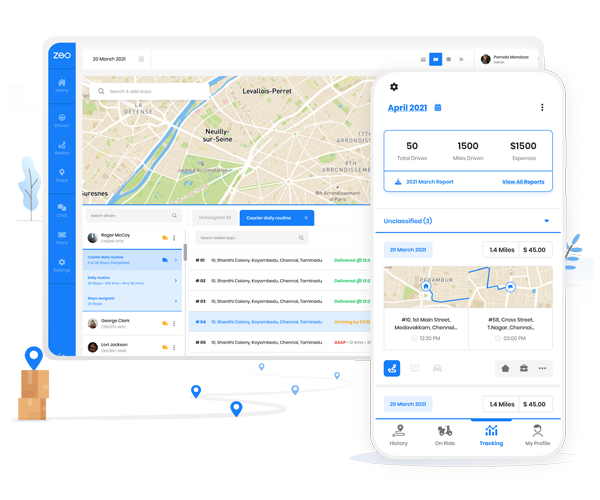
Zeóék illesztőprogram-követő szoftver valós idejű GPS-követést biztosít élő érkezési idő frissítésekkel, amelyek automatikusan értesítik az ügyfeleket SMS-ben vagy e-mailben, amikor a kárszakértők úton vannak. Ez az átláthatóság növeli az ügyfelek elégedettségét a stresszes kárigénylési helyzetekben, miközben a diszpécserszolgálatot tájékoztatja a terepi előrehaladásról.
Szolgáltatást igazoló dokumentáció
A kárigények feldolgozása alapos dokumentációt igényel a szabályozási megfelelés és a csalásmegelőzés érdekében. Az útvonal-kezelési megoldásnak zökkenőmentesen kell integrálódnia a bizonyítékgyűjtéssel.
A digitális aláírás rögzítése, a fényképes dokumentáció és a részletes jegyzetek segítenek a kárszakértőknek a kárigények megfelelő nyilvántartásának vezetésében, miközben egyszerűsítik az ellenőrzési folyamatot. Zeo Kézbesítési igazolás A funkciók átfogó dokumentációt tesznek lehetővé közvetlenül a mobilalkalmazáson belül.
Hogyan számítható ki a befektetésarányos megtérülés optimalizált beállító útvonalakból?
Az útvonaloptimalizálás megtérülésének mérése segít igazolni a technológiai beruházásokat és nyomon követni a teljesítmény javulását az idő múlásával.
Közvetlen költségmegtakarítás kiszámítása
Kezdje a jelenlegi kárszakértői kihasználtsági mutatókkal. Kövesse nyomon az átlagos napi vezetési időt, a megtett kilométereket és a kárszakértőnként feldolgozott kárigényeket az optimalizálás bevezetése előtt.
Íme egy mintaszámítás egy 25 fős módosító csapathoz:
- Jelenlegi átlag: napi 3.5 óra vezetési idő módosítónként
- Optimalizálási cél: 30%-os csökkentés (2.5 órás vezetési idő)
- Időmegtakarítás: napi 1 óra szabályozónként = összesen 25 óra
- 35 dolláros/órás átlagköltséggel számolva: napi 875 dollár megtakarítás = évi 227 500 dollár
A teljes közvetlen megtakarítás kiszámításához add hozzá az üzemanyag-megtakarítást (jellemzően 20-30%-os csökkenés) és a járműfenntartási költségek csökkenését.
Termelékenységi és bevételi hatás
A csökkentett vezetési idő több naponta feldolgozott kárigényt jelent. Ha az optimalizálás segít minden kárszakértőnek napi 2-3 további kárigényt kezelni, akkor a bevételre gyakorolt hatást az átlagos kárigény-feldolgozási díjak alapján számítsa ki.

növeli az üzemanyag-megtakarítást
Takarítson meg 2 órát a kiszállítással, mindennap!
Optimalizálja az útvonalakat algoritmusunkkal, így hatékonyan csökkenti az utazási időt és a költségeket.
Get Started ingyen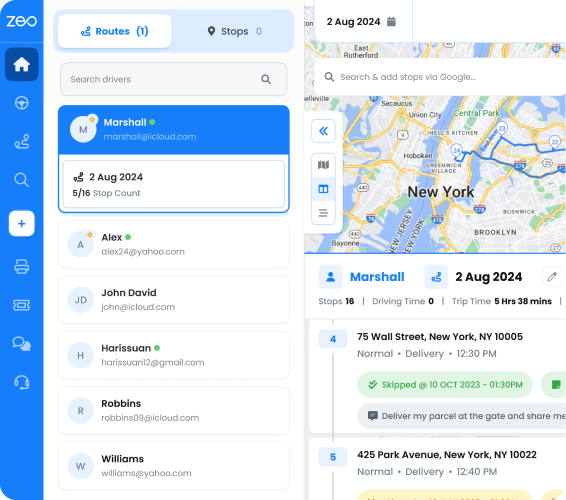
A jobb SLA-megfelelőségi arányok figyelembevételével elkerülhetők a szabályozási büntetések, és javul az ügyfélmegtartás, mindkettő mérhető pénzügyi értékkel bír.
Ügyfél-elégedettségi fejlesztések
Az Biztosítási Kutatási Tanács megállapította, hogy a kárigény-elégedettségi pontszámok közvetlenül korrelálnak a biztosítottak megtartási arányával. A gyorsabb válaszidők és a pontos érkezési értesítések mérhetően javítják ezeket a pontszámokat.
Elégedettségi felmérés eredményeinek nyomon követése az útvonal-optimalizálás bevezetése előtt és után. Még az elégedettségi pontszámok kismértékű javulása is jelentős megtartási értéket képvisel idővel.
Technológiai megvalósítási költségek
A ROI kiszámításakor vegye figyelembe a szoftver-előfizetési költségeket, a betanítási időt és az integrációs költségeket. A legtöbb flottakezelő szoftver A platformok 3-6 hónapon belül pozitív megtérülést mutatnak a 10+ szakértőből álló csapatok esetében.
A Zeo Route Planner mesterséges intelligencián alapuló optimalizálása jellemzően napi 2+ órát takarít meg útvonaltervezőnként, és már a bevezetés első hónapjától mérhető megtérülést (ROI) biztosít.
Mobil-első útvonaloptimalizálás terepi szabályozók számára
A modern beállító szakembereknek mobil-natív eszközökre van szükségük, amelyek zökkenőmentesen működnek a terepen, nem pedig nehézkes asztali rendszerekre, amelyek nem alkalmasak a valós használatra.
Útvonaltervezés és navigáció
A módosítóknak optimalizált útvonalakat kell kapniuk közvetlenül a mobileszközeiken, integrált lépésről lépésre navigációval. A rendszernek működnie kell a preferált navigációs alkalmazásukkal (Google Térkép, Waze vagy Apple Térkép), ahelyett, hogy új felületek elsajátítására kényszerítenék őket.
A valós idejű útvonalfrissítések automatikusan megjelennek a mobileszközökön, amikor a diszpécserek vészhelyzeti igényeket adnak hozzá vagy módosítják a menetrendeket. Ez kiküszöböli a zavart, és biztosítja, hogy a módosítók mindig naprakész információkkal rendelkezzenek.
Hozzáférés a követelésinformációkhoz
A mobil útvonaltervező alkalmazásoknak minden megállóhoz átfogó kárigény-részleteket kell megjeleníteniük, beleértve a biztosított elérhetőségeit, a kárigény-számokat, a károk leírását és az esetleges különleges utasításokat.
Ennek az információnak offline is elérhetőnek kell lennie, mivel a kárszakértők gyakran gyenge mobilhálózati lefedettségű területeken dolgoznak. Az alkalmazásnak szinkronizálnia kell a frissítéseket, amikor a kapcsolat helyreáll.
Dokumentációs és kommunikációs eszközök
A helyszíni kárszakértőknek mobil eszközökre van szükségük a fényképek készítéséhez, az aláírások gyűjtéséhez és az ellenőrzési jegyzetek rögzítéséhez közvetlenül az útvonaltervező alkalmazáson belül. Ez egyszerűsíti a dokumentációt, miközben megfelelő kárigény-nyilvántartást tart fenn.
A mobil-első megközelítésben a kárszakértők a Zeo mobilalkalmazást használják útvonalfrissítések fogadására, a kárigénylési helyszínekre való navigálásra, fényképek és aláírások készítésére a kárigénylési dokumentációhoz, valamint valós idejű állapotközlésre a diszpécserekkel a következőn keresztül: terepi szolgáltatás menedzsment jellemzők.
Állapotfrissítések és haladáskövetés
Az automatikus állapotfrissítések folyamatosan tájékoztatják a diszpécsereket a helyszíni előrehaladásról anélkül, hogy állandó bejelentkezéseket kellene végezni. A rendszernek nyomon kell követnie, hogy a kárszakértők mikor érkeznek meg a kárigényekhez, mikor fejezik be az ellenőrzéseket, és mikor lépnek át a következő helyszínre.
Ez az átláthatóság segít a diszpécsereknek az ügyfelek elvárásainak kezelésében és a lehetséges késedelmek azonosításában, mielőtt azok befolyásolnák a szolgáltatási szintet.
Többnapos útvonaltervezés és vészhelyzeti reagálás integrációjának ajánlott gyakorlatai
A biztosítási műveletekhez mind a rutinszerű kárigények stratégiai tervezésére, mind a vészhelyzeti reagálási helyzetekre taktikai rugalmasságra van szükség.
Heti területrendezés
Tervezzen heti rendszerességgel kárszakértői területeket a kárigények sűrűsége, a földrajzi lefedettségi követelmények és az egyéni specializációk alapján. Ez a stratégiai nézet segít kiegyensúlyozni a munkaterhelést és biztosítja a megfelelő lefedettséget a teljes szolgáltatási területén.
Vegye figyelembe a szezonális tényezőket, például a viharmintákat, az ünnepi utazások számának növekedését vagy az építési projekteket, amelyek befolyásolhatják a forgalmi mintákat és a kárigények mennyiségét bizonyos területeken.
Napi útvonaloptimalizálás a stratégiai keretrendszeren belül
A heti területi hozzárendelések fenntartása mellett optimalizálja a napi útvonalakat az új igények, az ügyfelek elérhetősége és a prioritásváltozások alapján. Ez a hibrid megközelítés stabilitást biztosít, miközben maximalizálja a napi hatékonyságot.
Kezdje minden napját útvonal-optimalizálással, amely figyelembe veszi az éjszakai kárigények benyújtását, a prioritási eszkalációkat és az előző napi tevékenységekhez képest bekövetkezett ütemterv-változásokat.
Vészhelyzeti reagálási protokoll integrációja
Dolgozzon ki egyértelmű protokollokat a normál működés során felmerülő sürgős kárigények kezelésére. Határozza meg, hogy mely kárszakértők tudják kezelni a vészhelyzeti hívásokat a helyszín, a szakértelem és az aktuális ütemterv rugalmassága alapján.
Az útvonaltervező rendszernek támogatnia kell az azonnali útvonal-újratervezést vészhelyzet esetén, automatikusan megtalálva a legközelebbi képzett útvonaltervezőt, és minimális fennakadás mellett frissítve a menetrendjét.
Tartalék lefedettség és rugalmasság
Építsen be rugalmasságot a napi beosztásba a váratlan helyzetek kezelésére. Ez azt jelentheti, hogy a kapacitás 85-90%-át kell kihasználni a percenkénti pakolással szemben, így teret engedve a sürgős igényeknek és a váratlan késedelmeknek.
Amikor csak lehetséges, több kárigény-típuson is alkalmazza a kárszakértőket, így több lehetőséget biztosítva a sürgősségi feladatok ellátására és csökkentve a szűk keresztmetszeteket, amikor a szakemberek nem állnak rendelkezésre.
Teljesítményfigyelés és folyamatos fejlesztés
Kövesse nyomon a legfontosabb mutatókat hetente: az átlagos válaszidőket kárigény típusonként, az ügyfél-elégedettségi pontszámokat, a kárszakértők kihasználtsági arányát és a területi lefedettség hatékonyságát. Használja ezeket az adatokat az útvonaltervezési stratégiák időbeli finomításához.
A rendszeres teljesítményértékelések segítenek azonosítani azokat a módosítókat, akiknek további képzésre lehet szükségük, azokat a területeket, amelyek határainak módosítására van szükség, vagy azokat a folyamatokat, amelyeket tovább lehetne egyszerűsíteni.
Gyakran ismételt kérdések
K: Egy kárszakértő napjának hány százalékát tölti vezetéssel a kárigények között?
Az iparági adatok szerint a helyszíni kárszakértők munkanapjuk körülbelül 40%-át vezetéssel töltik a kárigénylési helyszínek között. Ez napi 3-4 órát jelent a kárszakértők számára, akik 8-12 kárigényt kezelnek több mint 50 kilométeres körzetben.
K: Hogyan befolyásolja a rossz útvonaltervezés a biztosítási kárigényekre adott válaszidőket?
A rossz útvonaltervezés miatt a kárszakértők elmulaszthatják a szabályozás szerinti SLA-határidőket, amelyek gyakran aznapi reagálást írnak elő vészhelyzetek esetén, és 24-48 órás kapcsolatfelvételt a szokásos ingatlan-kártérítési igények esetén. A késedelmes válaszadás büntetéseket vonhat maga után, és károsíthatja az ügyfélkapcsolatokat stresszes helyzetekben.
K: Képesek-e az útvonaloptimalizáló szoftverek kezelni a napközben felmerülő vészhelyzeti kárigényeket?
Igen, a modern útvonaloptimalizáló platformok, mint például a Zeo Route Planner, dinamikus útvonal-módosításokat kínálnak, amelyek automatikusan újraszámítják az útvonalakat sürgős igények felmerülésekor, megtalálva a leghatékonyabb beszállási pontot manuális újratervezés nélkül, miközben fenntartják a meglévő időpont-beosztásokat.
K: Milyen funkciókat kell keresniük a biztosítótársaságoknak a kárszakértői útvonaltervező szoftverekben?
Az alapvető funkciók közé tartozik a készségalapú hozzárendelés-illesztés a megfelelő igénylési típusokhoz, az időablak-kezelés az ügyfelek elérhetőségéhez, a valós idejű kommunikációs eszközök, valamint a szolgáltatás igazolásának dokumentációja fényképfelvétellel és digitális aláírással a megfelelőség érdekében.
K: Hogyan számítják ki az optimalizált módosító útvonalak megtérülését (ROI)?
Számítsa ki a közvetlen megtakarítást a jelenlegi vezetési idő csökkenés (jellemzően 30%) nyomon követésével, szorozza meg az óránkénti költségekkel, adja hozzá az üzemanyag-megtakarítást (20-30%-os csökkenés), és vegye figyelembe a napi 2-3 további kárigény feldolgozásából származó termelékenységnövekedést kárszakértőnként.
A hatékony kárszakértői útvonaltervezés átalakítja mind a működési költségeket, mind az ügyfél-elégedettséget a kritikus kárigény-helyzetekben. A stratégiai területtervezés és a taktikai útvonal-optimalizálás kombinációja segít a biztosítótársaságoknak abban, hogy gyorsabban szolgálják ki az ügyfeleket, miközben maximalizálják a kárszakértők termelékenységét.
Készen állsz átalakítani kárszakértői tevékenységedet? Próbáld ki ingyenesen, hogy megtudd, hogyan optimalizálhatja a Zeo a kárszakértői útvonalakat és javíthatja a kárigényekre adott válaszidőket.
Ön flottatulajdonos?
Könnyen szeretné kezelni a járművezetőket és a szállításokat?
Fejlessze vállalkozását erőfeszítés nélkül a Zeo Routes Planner segítségével – optimalizálja az útvonalakat és kezeljen könnyedén több járművezetőt.

növeli az üzemanyag-megtakarítást
Takarítson meg 200 dollárt az üzemanyagon, havonta!
Optimalizálja az útvonalakat algoritmusunkkal, így hatékonyan csökkenti az utazási időt és a költségeket.
Get Started ingyen