


# Wie man die Fahrzeit von Kabeltechnikern reduziert
> TL; DR: Kabelnetzbetreiber können die Fahrzeit ihrer Techniker um 28 % reduzieren, indem sie systematische Routenoptimierung nutzen. Diese kombiniert Gebietsanalysen, Terminbündelung und dynamische Routenanpassungen für Notrufe. Branchenführer halten die Fahrzeit unter 20 % der gesamten Arbeitszeit, während sie bei weniger effizienten Betrieben 35 % beträgt. Routenoptimierungsplattformen wie Zeo Route Planner bieten hierfür Lösungen mit KI-gestützter Routenoptimierung und Echtzeit-Routenanpassungen und helfen Kabelnetzbetreibern so, täglich mehr als zwei Stunden einzusparen.
Kabeltechniker verbringen fast ein Drittel ihrer Arbeitszeit mit Fahrten zwischen Serviceeinsätzen, anstatt Kunden zu betreuen. Diese versteckte Ineffizienz belastet Ihr Personalbudget und schränkt die Anzahl der Kunden ein, denen Ihr Team täglich helfen kann. Intelligente Betriebsleiter entdecken daher, wie sie die Fahrzeiten der Kabeltechniker durch datengestützte Routenplanung reduzieren können, die geplante Termine mit Notfallreparaturen in Einklang bringt.
Die Lösung besteht nicht nur in besserer Planung – es ist ein systematischer Ansatz, der Routenoptimierungstechnologie mit mobilen Tools kombiniert, die sich an die realen Serviceanforderungen anpassen.
Die versteckten Kosten der Fahrzeit von Kabeltechnikern: Warum 30 % Ihres Arbeitsbudgets auf der Straße verschwendet werden.
Ihre Kabeltechniker verbringen wahrscheinlich 2-3 Stunden pro Tag mit der Fahrt zwischen den Einsatzorten. Laut Daten des Bureau of Labor Statistics zu TelekommunikationstechnikernTelekommunikationstechniker verbringen durchschnittlich 32 % ihrer Arbeitszeit im Verkehr, wodurch die Fahrzeit nach den Lohnkosten zu einem der größten betrieblichen Kostenfaktoren wird.
Hier erfahren Sie, was übermäßige Fahrzeiten Ihrem Betrieb tatsächlich kosten:
ArbeitsverschwendungEin Techniker, der 25 Dollar pro Stunde verdient und täglich 2.5 Stunden im Auto verbringt, verursacht jährliche Fahrtkosten von 15,625 Dollar pro Mitarbeiter. Hochgerechnet auf 25 Techniker ergibt das fast 400,000 Dollar jährlich.
Kraftstoff- und FahrzeugkostenDie durchschnittlichen Betriebskosten eines Dienstfahrzeugs betragen 0.67 US-Dollar pro Meile, wenn man Kraftstoff, Wartung und Wertverlust berücksichtigt. Unnötige Fahrkilometer summieren sich schnell.
Auswirkungen auf den KundenEine ungünstige Routenplanung führt zu weniger Serviceeinsätzen pro Tag. Wenn eine optimierte Routenplanung es jedem Techniker ermöglicht, täglich einen zusätzlichen Serviceeinsatz durchzuführen, generiert ein 25-köpfiges Team jährlich 6,500 zusätzliche Serviceeinsätze.
Das Problem verschärft sich während der Spitzenzeiten, wenn Notrufe die sorgfältig geplanten Routen durcheinanderbringen und die Techniker gezwungen sind, die Einsatzgebiete mehrfach zu durchqueren.
So berechnen Sie Ihre aktuelle Zeitverschwendung im Straßenverkehr (plus Branchenvergleich)
Bevor Sie Routen optimieren, messen Sie Ihre aktuelle Leistung anhand dieser Kennzahlen:
Durchschnittliche tägliche Fahrzeit: Erfassen Sie täglich die gesamten Fahrstunden pro Techniker. Branchenführer halten die Fahrzeit unter 20 % der gesamten Arbeitszeit, während leistungsschwache Betriebe einen Anteil von 35 % oder mehr aufweisen.
Meilen pro ServiceeinsatzDie täglich zurückgelegte Gesamtstrecke wird durch die Anzahl der durchgeführten Serviceeinsätze geteilt. Bei effizientem Kabelnetzbetrieb liegt die durchschnittliche Kilometerzahl pro Serviceeinsatz je nach Gebietsdichte zwischen 8 und 12 Meilen.
Serviceeinsätze pro TagUnsere leistungsstärksten Techniker bearbeiten in Vorstadtgebieten täglich 6–8 Serviceeinsätze, in dicht besiedelten Stadtgebieten 8–12. Techniker in ländlichen Gebieten schaffen aufgrund der größeren Entfernungen in der Regel 4–6 Einsätze.
Nutzen Sie diese einfache Formel, um Verschwendung zu ermitteln: (Aktuelle Fahrstunden × Stundensatz × Arbeitstage × Teamgröße) = Jährliche Fahrzeitkosten. Vergleichen Sie diesen Wert mit Branchenstandards, um Verbesserungspotenziale zu quantifizieren.
Forschung von der Nationaler Verband der Telekommunikationsbeamten zeigt, dass Kabelunternehmen durch Routenoptimierung die Fahrzeit um durchschnittlich 28 % reduzieren, was zu erheblichen Kosteneinsparungen und einer verbesserten Kundenservicekapazität führt.
Das 5-stufige Rahmenwerk zur Optimierung von Kabelanschlussrouten
Befolgen Sie dieses systematische Vorgehen, um die Fahrzeiten Ihrer Kabeltechniker im gesamten Betrieb zu reduzieren:
Schritt 1: Gebietsanalyse und Zoneneinteilung
Teilen Sie Ihr Einsatzgebiet anhand der Fahrzeit in logische Zonen ein, nicht nur anhand geografischer Grenzen. Jede Zone sollte 6–8 Serviceeinsätze ohne unnötige Umwege ermöglichen. Berücksichtigen Sie dabei Faktoren wie Verkehrsaufkommen, Brückenstandorte und übliche Terminfenster.
Schritt 2: Terminbündelung
Planen Sie Termine geografisch statt chronologisch. Fassen Sie Vormittagstermine in einer Zone zusammen und Nachmittagstermine in angrenzenden Gebieten. Dadurch vermeiden Sie unnötige Fahrstrecken, die Zeit und Kraftstoff verschwenden.
Schritt 3: Optimierung der Routenfolge
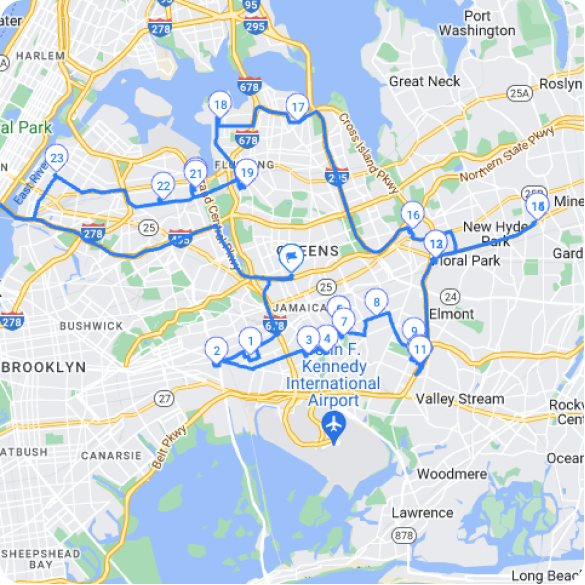
Ermitteln Sie die effizienteste Stoppreihenfolge für jedes Gebiet. Beginnen Sie mit den am weitesten entfernten Terminen und arbeiten Sie sich zum Depot vor oder nutzen Sie für weit verstreute Orte ein Hub-and-Spoke-System. Der KI-gestützte Routenplaner von Zeo optimiert die Stoppreihenfolge automatisch, um die Fahrzeit zu minimieren. Er wird von über 1.5 Millionen Nutzern in mehr als 150 Ländern verwendet.
Schritt 4: Zeitfenstermanagement
Planen Sie realistische Zeitfenster ein, die die Komplexität der Dienstleistung und die Fahrzeit berücksichtigen. Planen Sie in dicht besiedelten Gebieten 15 Minuten Pufferzeit zwischen den Terminen ein, in ländlichen Gebieten 30 Minuten. Vermeiden Sie es, Termine über weite Strecken hinweg direkt nacheinander zu vereinbaren.
Schritt 5: Integration von Notrufen
Entwickeln Sie Protokolle für die Bearbeitung dringender Serviceanrufe, ohne optimierte Routen zu beeinträchtigen. Weisen Sie Notrufe Technikern zu, die bereits in der Nähe im Einsatz sind, anstatt den nächsten verfügbaren Techniker zu beauftragen.
Erweiterte Strategien: Vereinbarkeit von geplanten Terminen und Notfalleinsätzen
Kabelnetzbetreiber stehen vor besonderen Herausforderungen, da sie geplante Wartungsarbeiten mit dringenden Serviceanfragen in Einklang bringen müssen. Notfallausfälle und Installationstermine lassen sich nicht aufschieben, was die herkömmliche Routenoptimierung deutlich komplexer macht.
Dynamische RoutenanpassungBei Notrufen werden diese den Technikern zugewiesen, die sich aktuell in den nächstgelegenen Gebieten befinden. Dadurch wird vermieden, dass ein Techniker quer durch die Stadt fahren muss, während ein anderer in der Nähe arbeitet. Modern Routenoptimierungssoftware ermöglicht Echtzeit-Routenanpassungen, die die Effizienz trotz sich ändernder Prioritäten aufrechterhalten.
NotfallreaktionszonenBestimmte Techniker werden als Notfallhelfer für verschiedene Gebiete während der Spitzenzeiten eingesetzt. Diese Techniker bearbeiten ein geringeres Arbeitsaufkommen, können aber in ihren zugewiesenen Zonen schnell auf dringende Anrufe reagieren.

Kraftstoffeinsparungen erhöhen
Sparen Sie jeden Tag 2 Stunden bei Lieferungen!
Optimieren Sie Routen mit unserem Algorithmus und reduzieren Sie so effizient Reisezeit und -kosten.
Jetzt kostenlos starten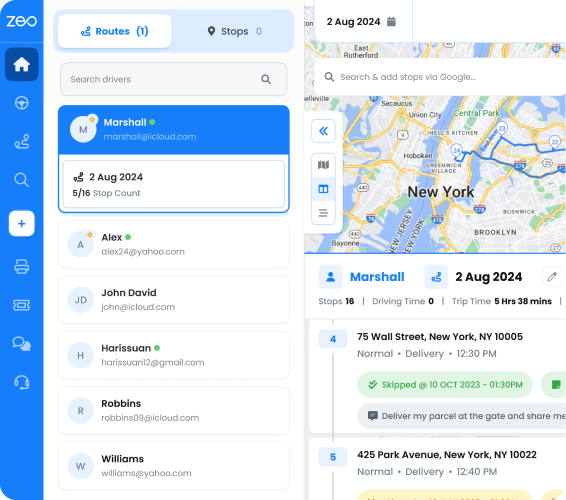
Kompetenzbasierte ZuweisungUm Folgebesuche zu vermeiden, sollten die Techniker fachgerecht eingesetzt werden. Installationsspezialisten kümmern sich um Neuinstallationen, während Wartungstechniker Reparaturen durchführen. Diese Spezialisierung verbessert die Lösungsquote beim ersten Anruf und vermeidet unnötige Nachbesuche.
Zeo Routenplaner unterstützt fahrerbezogene Zuweisung nach Fahrkompetenz und dynamische Routenanpassungen, die es den Disponenten ermöglichen, geplante Arbeiten mit Notfallprioritäten in Einklang zu bringen und gleichzeitig optimierte Routen für das gesamte Team aufrechtzuerhalten.
ROI-Rechner: Quantifizierung der Kosteneinsparungen durch reduzierte Fahrzeit
Berechnen Sie Ihr Einsparpotenzial anhand dieser Kennzahlen:
ArbeitsersparnisEine tägliche Reduzierung der Fahrzeit um 30 Minuten spart 6.25 $ pro Techniker bei einem Stundenlohn von 25 $. Bei 25 Technikern, die 250 Tage im Jahr arbeiten, ergibt das eine Arbeitskostenersparnis von 39,063 $.
Reduzierung der KraftstoffkostenDurch die Vermeidung von 20 unnötigen Kilometern pro Techniker und Tag werden täglich ca. 13.40 $ an Fahrzeugbetriebskosten eingespart. Die jährliche Einsparung für 25 Techniker beträgt 83,750 $.
Zusätzliche ServicekapazitätWenn durch die verkürzte Anfahrtszeit ein zusätzlicher Serviceeinsatz pro Techniker und Tag möglich ist, lässt sich der Umsatzeffekt berechnen, indem die zusätzlichen Einsätze mit dem durchschnittlichen Servicewert multipliziert werden. Bei Installationseinsätzen mit einem Durchschnittswert von 150 $ ergibt sich: (1 zusätzlicher Einsatz × 25 Techniker × 250 Tage × 150 $) = 937,500 $ zusätzliches jährliches Umsatzpotenzial.
Auswirkungen auf die KundenzufriedenheitSchnellere Reaktionszeiten und zuverlässigere Terminfenster verbessern die Kundenbindung. Eine 5%ige Verbesserung der Kundenbindung wirkt sich signifikant auf die Berechnung des Kundenwerts aus.
Nach Angaben der US-Organisation Bericht der Federal Communications Commission zur betrieblichen EffizienzTelekommunikationsunternehmen, die in betriebliche Effizienz investieren, erzielen im Durchschnitt innerhalb von 18 Monaten einen ROI von 240 %, vor allem durch verbesserte Servicequalität und reduzierte Betriebskosten. Ähnliche Ergebnisse wurden in verwandten Bereichen erzielt, wie zum Beispiel Fahrzeit des HLK-Technikers Optimierung.
Implementierungsleitfaden: Routenoptimierung mit Ihren Kabelmanagementsystemen verbinden
Um die Fahrzeiten von Kabeltechnikern erfolgreich zu reduzieren, ist eine nahtlose Integration zwischen Routenoptimierung und Ihren bestehenden Kabelmanagementsystemen erforderlich.
Integrations-SetupVerbinden Sie Ihre Routenplanungsplattform mit Einsatzplanungssoftware, Kundenverwaltungssystemen und Bestandsverwaltung. So erhalten Ihre Techniker alle relevanten Auftragsinformationen, einschließlich benötigter Ersatzteile und der voraussichtlichen Servicezeit.
Dispatcher-WorkflowIhre Disponenten nutzen die webbasierte Plattform zur Routenoptimierung, um effiziente Tagesrouten zu erstellen. Dabei werden Terminprioritäten, die Qualifikation der Techniker und die Gebietszuordnung berücksichtigt. Fahrzeiten, Servicefenster und Pausenzeiten werden automatisch in die Routenplanung einbezogen.
Techniker Mobiler ZugangDie Außendiensttechniker erhalten optimierte Routen direkt auf ihre Smartphones über die mobile App, inklusive detaillierter Navigation und Kundendaten. Bei Notrufen können die Disponenten die Routen sofort aktualisieren und den zuständigen Techniker benachrichtigen. Die mobile Plattform von Zeo ist mit verschiedenen Navigations-Apps kompatibel und bietet Echtzeit-GPS-Tracking für eine verbesserte Koordination.
LeistungsüberwachungErfassen Sie wichtige Kennzahlen wie die durchschnittliche Fahrzeit pro Einsatz, die tägliche Serviceabschlussquote und die Kraftstoffkosten pro Techniker. Nutzen Sie diese Daten, um Gebietsgrenzen und Routenplanungen kontinuierlich zu optimieren.
Ausbildung und AdoptionBieten Sie Schulungen zur mobilen Routenplanung und zu Notrufprotokollen an. Betonen Sie, wie optimierte Routenplanung Stress reduziert, indem sie das Rätselraten über effiziente Reiserouten und die Tagesplanung überflüssig macht. Implementieren Sie bewährte Methoden. Flottenmanagementstrategien gewährleistet eine reibungslose Einführung in Ihrem gesamten Team.
Beginnen Sie die Implementierung mit einer Pilotgruppe von 5–10 Technikern, um den ROI nachzuweisen, bevor Sie das System unternehmensweit einführen. Die meisten Kabelbetriebe verzeichnen innerhalb der ersten Woche nach der Implementierung eine messbare Reduzierung der Fahrzeiten.
Häufig gestellte Fragen
F: Welchen Anteil der Arbeitszeit eines Kabeltechnikers verbringt er typischerweise mit Autofahren?
Laut Branchenstandards verbringen Kabeltechniker etwa 30–35 % ihrer Arbeitszeit mit Fahrten zwischen Einsatzorten. Dies entspricht täglich 2–3 Stunden ungenutzter Fahrzeit, die sich direkt auf die Betriebskosten und die Servicekapazität auswirkt.
F: Wie viel Geld können Kabelunternehmen durch die Reduzierung der Anfahrtszeiten ihrer Techniker einsparen?
Ein Kabelunternehmen mit 25 Technikern kann allein durch die Reduzierung der täglichen Fahrzeit von 2.5 auf 2 Stunden jährlich fast 400,000 US-Dollar an Arbeitskosten einsparen. Weitere Einsparungen ergeben sich durch geringere Kraftstoffkosten, weniger Fahrzeugwartung und die Möglichkeit, mehr Serviceeinsätze pro Tag durchzuführen.
F: Wie lassen sich Notfallanrufe beim Kabelservice am effektivsten bearbeiten, ohne die optimierten Routen zu unterbrechen?
Am effektivsten ist die dynamische Routenanpassung mithilfe von Routenoptimierungssoftware wie Zeo Route Planner, die Notrufe sofort Technikern zuweisen kann, die bereits in nahegelegenen Gebieten arbeiten, und gleichzeitig optimierte Routen für das gesamte Team beibehält.
F: Wie viele Serviceeinsätze sollte ein Kabeltechniker pro Tag durchführen?
Hochqualifizierte Kabeltechniker bearbeiten in Vorstadtgebieten in der Regel 6–8 Serviceeinsätze pro Tag und in dicht besiedelten Stadtgebieten 8–12 Einsätze. Techniker in ländlichen Gebieten erledigen aufgrund der längeren Anfahrtswege üblicherweise 4–6 Einsätze.
F: Wie hoch sind die durchschnittlichen Kosten pro Meile für den Betrieb eines Kabelservicefahrzeugs?
Die Betriebskosten von Kabelservicefahrzeugen belaufen sich auf etwa 0.67 US-Dollar pro Meile, wenn man Kraftstoff, Wartung, Versicherung und Abschreibung berücksichtigt. Daher ist die Routenoptimierung für die Kontrolle der Betriebskosten im Kabelservicebereich unerlässlich.
Möchten Sie die Fahrzeiten Ihrer Kabeltechniker verkürzen und die Servicekapazität erhöhen? Starten Sie eine kostenlose Testphase und sehen Sie, wie viel Fahrzeit Ihre Kabeltechniker durch optimierte Routenplanung einsparen können.
Sind Sie Flottenbesitzer?
Möchten Sie Ihre Fahrer und Lieferungen einfach verwalten?
Erweitern Sie Ihr Geschäft mühelos mit dem Zeo Routes Planner – optimieren Sie Routen und verwalten Sie problemlos mehrere Fahrer.
Kraftstoffeinsparungen erhöhen
Problemlose Lieferungen und Abholungen!
Optimieren Sie Routen mit unserem Algorithmus und reduzieren Sie so effizient Reisezeit und -kosten.
Jetzt kostenlos starten