

# Beste Software zur Routenplanung für Lieferungen, um Kosten zu senken und Zeit zu sparen
> TL; DR: Software zur Routenplanung für Lieferungen beseitigt Ineffizienzen bei der manuellen Planung, die täglich 2–4 Stunden in Anspruch nehmen und die Lieferkosten um 20–40 % erhöhen. Studien von US-Verkehrsministerium Optimierte Routenplanung senkt den Kraftstoffverbrauch um 15–25 % und verbessert gleichzeitig die Pünktlichkeit. KI-gestützte Plattformen wie Zeo Route Planner automatisieren die komplexe Routenoptimierung unter Berücksichtigung von Zeitfenstern und Kapazitätsbeschränkungen und helfen Lieferunternehmen so, täglich mehr als zwei Stunden Planungszeit einzusparen.
Ein Lieferunternehmen ohne geeignete Routenplanungssoftware zu führen, ist wie der Versuch, mit verbundenen Augen durch ein Labyrinth zu navigieren. Man weiß zwar, wo man hin muss, verschwendet aber Zeit, Treibstoff und Geld auf dem Weg dorthin.
Wenn Sie jeden Morgen die Routen für 5 bis 50 Fahrer manuell planen, kennen Sie das Problem bereits. Stundenlanges Starren auf Karten, ständige Anrufe wegen Verkehrsbehinderungen, verärgerte Kunden, die nach ihren Lieferungen fragen, und stetig steigende Spritkosten.
Die gute Nachricht? Lieferroutenplaner Die Software wandelt dieses Chaos in optimierte Abläufe um, die tatsächlich Geld einbringen, anstatt es zu verbrennen.
Warum die manuelle Routenplanung für Lieferungen Ihre Gewinne schmälert
Die manuelle Routenplanung ist nicht nur Zeitverschwendung. Sie schmälert Ihre Gewinnmargen auf eine Weise, die Ihnen vielleicht gar nicht bewusst ist.
Zeit ist Ihre wertvollste Ressource. Betriebsleiter verbringen täglich 2–4 Stunden mit der manuellen Routenplanung. Bei 30 Dollar pro Stunde summiert sich das auf 15,600–31,200 Dollar jährlich allein für die Planungszeit. Rechnet man die Kosten für suboptimale Routen hinzu, ergeben sich enorme versteckte Ausgaben.
Ungünstige Routen verschwenden viel Geld. Nach Angaben der US-Organisation US-VerkehrsministeriumIneffiziente Routenplanung erhöht die Lieferkosten um 20–40 %. Für ein Unternehmen, das jährlich 50,000 US-Dollar für Kraftstoff und Fahrerlöhne ausgibt, entspricht das vermeidbaren Kosten in Höhe von 10,000–20,000 US-Dollar.
Folgendes passiert, wenn Sie Routen manuell planen:
Autofahrer verschwenden Treibstoff auf ineffizienten Routen. Ohne Optimierung fahren Autofahrer kreuz und quer durchs Gebiet, geraten in Verkehrsstaus und fahren unnötigerweise um. Ihr Treibstoffbudget verpufft in Routen, die keinen Sinn ergeben.
Die Lohnkosten geraten außer Kontrolle. Längere Routen bedeuten Überstundenvergütung, frustrierte Fahrer und höhere Fluktuation. Dauern Routen 10–12 Stunden statt 8, zahlen Sie Überstundenzuschläge für schlechte Planung.
Kundenbeschwerden nehmen zu. Verspätete Lieferungen, verpasste Liefertermine und mangelhafte Kommunikation führen zu verärgerten Kunden. Eine Studie von Nationale Einzelhandelsföderation Eine Studie ergab, dass 69 % der Kunden nach einer schlechten Liefererfahrung nicht wieder bestellen werden.
Skalierung wird unmöglich. Die Hinzunahme weiterer Fahrer zu einem manuellen System vervielfacht das Chaos. Was für 10 Fahrer 2 Stunden dauert, benötigt für 30 Fahrer über 6 Stunden. Man stößt an eine Grenze, ab der Wachstum die Rentabilität sogar verringert.
Wie Lieferroutenplanungssoftware tatsächlich funktioniert (und worauf Sie achten sollten)
Modernes Routenoptimierungssoftware Es nutzt Algorithmen, die Dutzende von Variablen gleichzeitig berücksichtigen. Man kann es sich wie ein Navigationssystem vorstellen, das Verkehr, Fahrkönnen, Fahrzeugkapazität, Kundenpräferenzen und Zeitbeschränkungen gleichzeitig kennt.
Der Optimierungsprozess dauert nur wenige Sekunden. Sie laden Adressen hoch, legen Einschränkungen wie Zeitfenster oder Fahrzeugkapazitäten fest, und die Software berechnet die effizienteste Reihenfolge. Was früher stundenlange manuelle Arbeit erforderte, ist erledigt, bevor Sie Ihren Kaffee ausgetrunken haben.
Echtzeit-Anpassungen sorgen für optimale Routen. Bei Stau oder Terminänderungen von Kunden berechnet die Software die Route sofort neu. Fahrer erhalten aktualisierte Routen auf ihre Smartphones, ohne die Zentrale anrufen zu müssen.
Alle Variablen werden berücksichtigt. Fahrzeugkapazität, Fahrerfähigkeiten, Zeitfenster der Kunden, Verkehrsaufkommen, Kraftstoffkosten und Servicezeiten fließen alle in die Routenplanung ein. Menschliche Planer können diese vielen Variablen nicht effektiv koordinieren.
Das unterscheidet gute Tools zur Routenplanung für Lieferungen von einfachen Kartenanwendungen:
Mehrstoppoptimierung über 10 Stopps hinaus. Google Maps kann einige wenige Stopps verarbeiten, aber Lieferunternehmen benötigen Routen mit 20, 50 oder mehr Stopps, die als eine einzige Sequenz optimiert sind.
Fahrzeug- und Fahrerbeschränkungen. Verschiedene Lkw haben unterschiedliche Ladekapazitäten. Manche Fahrer verfügen über besondere Qualifikationen oder Zertifizierungen. Die Software weist die Haltestellen unter Berücksichtigung dieser realen Gegebenheiten zu.
Zeitfenstermanagement. Wenn Kunden Lieferzeitfenster angeben, stoppt die Software die Abläufe, um diese Zeitfenster einzuhalten und gleichzeitig die Fahrzeit zu minimieren.
Echtzeit-Tracking und -Kommunikation. Die Manager sehen, wo sich jeder Fahrer befindet, die Kunden erhalten genaue Ankunftszeiten und alle bleiben ohne Telefonate auf dem Laufenden.
ROI-Rechner: Die tatsächlichen Kosteneinsparungen durch automatisierte Routenplanung
Die Zahlen lügen nicht. Routenoptimierungssoftware amortisiert sich für die meisten Lieferunternehmen innerhalb weniger Wochen.
Zeitersparnis bedeutet direkt mehr Gewinn. Die automatisierte Planung spart dem Betriebspersonal täglich 2–3 Stunden. Bei einem Stundensatz von 30 $ entspricht das 60–90 $ täglich bzw. 15,600–23,400 $ jährlich. Die meisten Routenplanungssoftwares kosten unter 3,000 $ jährlich und erzielen somit einen sofortigen positiven ROI.
Die Kraftstoffeinsparungen summieren sich schnell. Optimierte Routen reduzieren die Fahrstrecke laut Studien um 10-30%. Amerikanisches VerkehrsforschungsinstitutEin Unternehmen, das jährlich 30,000 Dollar für Treibstoff ausgibt, spart allein durch eine bessere Routenplanung 3,000 bis 9,000 Dollar.
Die Reduzierung der Arbeitskosten wirkt sich monatlich kumulativ aus. Kürzere Routen bedeuten weniger Überstunden, weniger Arbeitsstunden der Fahrer und eine höhere Produktivität. Die Fahrer erledigen mehr Lieferungen in kürzerer Zeit, wodurch der Umsatz pro Fahrer um 15–25 % steigt.
Betrachten wir ein konkretes Beispiel. Ein Lieferunternehmen mit 20 Fahrern gibt Folgendes aus:
- 40,000 US-Dollar jährlich für Planungszeit
- 60,000 Dollar für Treibstoff
- 800,000 US-Dollar für Fahrerlöhne
Da die Software zur Routenoptimierung jährlich 2,400 US-Dollar kostet, sparen sie in der Regel Folgendes:
- 26,000 US-Dollar an Planungszeit (65 % Reduzierung)
- 12,000 US-Dollar an Treibstoffkosten (20 % Reduzierung)
- 40,000 US-Dollar an Arbeitskosten (5 % Effizienzsteigerung)
- Gesamte jährliche Einsparungen: 78,000 USD
- ROI: 3,150%
Die Kundenbindung verbessert sich dramatisch. Durch optimierte Routenplanung steigt die Pünktlichkeit der Lieferungen um 20–40 %. Die Kundenbindung ist 5–7-mal günstiger als die Neukundengewinnung, wodurch die Lieferzuverlässigkeit den Gewinn um ein Vielfaches steigert.
Unverzichtbare Funktionen, die jedes Lieferunternehmen von einem Routenplaner benötigt
Nicht jede Routenplanungs-Software eignet sich für Lieferunternehmen. Verbraucher-Apps wie Google Maps sind für wenige Stopps optimiert, aber Lieferbetriebe benötigen Funktionen für den professionellen Einsatz.
Massenimport und -verarbeitung von Adressen. Sie müssen 50, 100 oder 500 Adressen aus Excel-Dateien oder Ihrem Auftragsverwaltungssystem hochladen. Die manuelle Adresseingabe widerspricht dem Zweck der Automatisierung.
Fahrzeugkapazitätsbeschränkungen. Lkw unterliegen Gewichts- und Volumenbeschränkungen. Die Software muss die Haltestellen anhand der tatsächlichen Ladung jedes Fahrzeugs zuweisen, nicht nur anhand der geografischen Nähe.
Zeitfenster und Prioritätshaltestellen. Manche Lieferungen müssen zu bestimmten Zeiten erfolgen. Andere sind flexibel. Die Software sollte diese Vorgaben optimieren und gleichzeitig die gesamte Fahrzeit minimieren.
Fahrerqualifikationsbasierte Zuweisung. Für bestimmte Lieferungen sind spezielle Ausrüstung, Zertifizierungen oder Erfahrung erforderlich. Die intelligente Fahrerzuweisung sorgt dafür, dass der richtige Fahrer automatisch der richtigen Lieferung zugeordnet wird.
Echtzeit-Tracking und Kundenkommunikation. Kunden möchten wissen, wo sich ihre Lieferung befindet. Fahrer müssen den Lieferstatus aktualisieren können. Manager benötigen einen Überblick über den gesamten Ablauf, ohne ständig telefonieren zu müssen.
Erfassung des Zustellnachweises. Fotos, Unterschriften und Lieferscheine dokumentieren den erfolgreichen Abschluss. Dies dient dem Schutz vor Streitigkeiten und liefert wichtige Kundendienstdaten.

Kraftstoffeinsparungen erhöhen
Sparen Sie jeden Tag 2 Stunden bei Lieferungen!
Optimieren Sie Routen mit unserem Algorithmus und reduzieren Sie so effizient Reisezeit und -kosten.
Jetzt kostenlos starten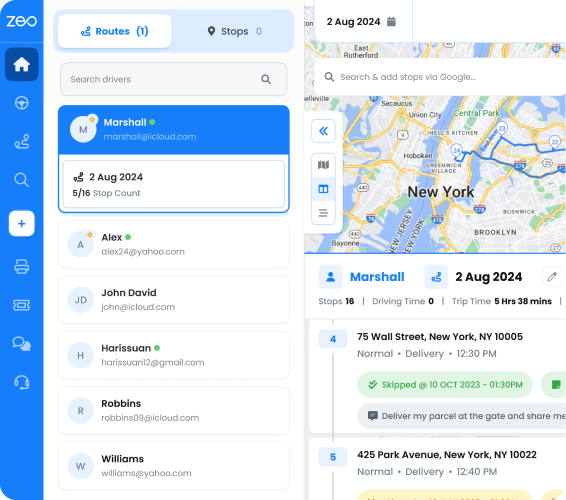
Integration mit bestehenden Systemen. Ihr Routenplaner sollte mit Ihren Auftragsverwaltungs-, Buchhaltungs- oder E-Commerce-Systemen verbunden sein. Die manuelle Dateneingabe zwischen den Systemen kostet genau die Zeit, die Sie eigentlich sparen möchten.
Zeo Route Planner vereint all diese Funktionen in einer speziell für Lieferdienste entwickelten Plattform. Die KI-gestützte Optimierung spart täglich über zwei Stunden und berücksichtigt dabei automatisch komplexe Einschränkungen wie Zeitfenster, Fahrzeugkapazität und Fahrerqualifikationen.
Implementierungsstrategie: Von der manuellen Planung zu automatisierten Routen
Die Umstellung von manueller auf automatisierte Routenplanung erfordert keine Betriebsunterbrechung. Der Übergang erfolgt schrittweise über ein bis zwei Wochen.
Woche 1: Paralleltests. Führen Sie Ihre manuellen Routen parallel zu den softwaregenerierten Routen für dieselben Adressen durch. Vergleichen Sie Fahrzeiten, Kraftstoffverbrauch und Zustellquoten. Die meisten Unternehmen verzeichnen sofort eine Verbesserung von 15–25 %.
Woche 2: Vollständige Implementierung. Wechseln Sie zu softwaregenerierten Routen und behalten Sie gleichzeitig manuelle Ausweichpläne bei. Schulen Sie die Disponenten auf der Webplattform und die Fahrer in der mobilen App zur Routennavigation.
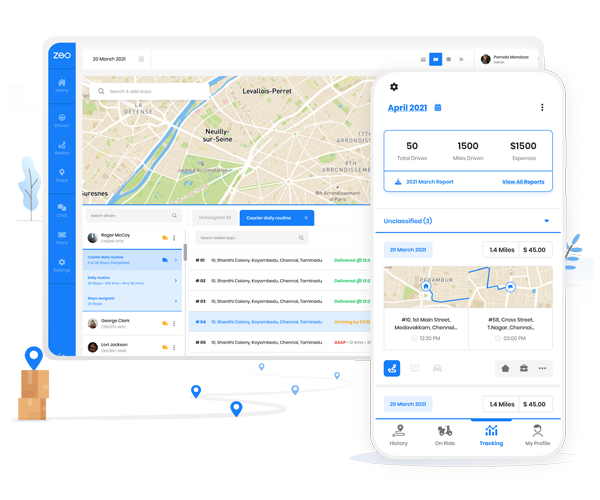
Das Flottenmanagement-Software Koordinationsvorteil. Die Einsatzleiter planen und verteilen die Routen jeden Morgen über die Webplattform. Die Fahrer erhalten ihre optimierten Routen direkt in der Zeo-App, inklusive detaillierter Navigation, Kundenkontaktinformationen und Lieferanweisungen. So entsteht ein reibungsloser Arbeitsablauf von der Disposition bis zur Auslieferung – ganz ohne Papierroutenpläne oder ständige Telefonate.
Der Schulungsaufwand ist minimal. Moderne Routenplanungssoftware ist intuitiv bedienbar. Adressen hochladen, optimieren, Routen den Fahrern zuweisen. Die meisten Teams beherrschen die Grundlagen innerhalb von 30 Minuten.
Beginnen Sie mit Tagen mit hohem Auftragsvolumen. Führen Sie die automatisierte Planung zunächst an Ihren geschäftigsten Tagen ein. Diese Tage zeigen die größte unmittelbare Wirkung und stärken das Vertrauen des Teams in das System.
Alles messen. Erfassen Sie die Routenlaufzeiten, den Kraftstoffverbrauch, Kundenbeschwerden und die Fahrerzufriedenheit. Dokumentieren Sie die Verbesserungen, um die Investition zu rechtfertigen und weitere Optimierungsmöglichkeiten zu identifizieren.
Die Integration folgt als nächstes. Sobald die grundlegende Auftragsabwicklung reibungslos funktioniert, verbinden Sie Ihr Auftragsverwaltungssystem, fügen Sie Kundenbenachrichtigungsfunktionen hinzu und implementieren Sie die Erfassung von Liefernachweisen.
Entscheidend ist, die Implementierung als Prozessverbesserung und nicht als Technologieinstallation zu betrachten. Konzentrieren Sie sich auf Workflow-Änderungen, die die Arbeit für alle erleichtern.
Skalieren Sie Ihren Lieferbetrieb mit intelligenter Routenplanungstechnologie
Routenplanungssoftware optimiert nicht nur den laufenden Betrieb. Sie beseitigt auch die Hindernisse, die ein profitables Wachstum verhindern.
Das Hinzufügen von Treibern wird zur einfachen Mathematik. Statt einer exponentiell komplexen Planung erhöht jeder neue Fahrer die Kapazität einfach linear. Die Software übernimmt die Zuweisung und Optimierung automatisch.
Geografische Expansion funktioniert systematisch. Geben Sie neue Servicegebietsadressen ein, und die Software berechnet optimale Gebiete, Fahrerzuweisungen und Servicekapazitäten. So entfällt das Rätselraten, ob eine Expansion rentabel ist.
Saisonale Nachfrageschwankungen werden automatisch ausgeglichen. Spitzenzeiten, die früher temporäre Manager und chaotische Überstunden erforderten, lassen sich nun durch reibungslose Kapazitätsanpassungen bewältigen. Die Software skaliert die Planungskomplexität, ohne den Verwaltungsaufwand zu erhöhen.
Datengestützte Entscheidungsfindung ersetzt das Bauchgefühl. Die Routenanalyse zeigt genau, welche Gebiete profitabel sind, welche Fahrer die besten Leistungen erbringen und wo betriebliche Verbesserungen die größte Wirkung erzielen.
Kundenservice wird zum Wettbewerbsvorteil. Genaue voraussichtliche Ankunftszeiten, proaktive Benachrichtigungen über Verspätungen und eine konstant pünktliche Leistung machen die Zustellung von einer Standarddienstleistung zu einem Alleinstellungsmerkmal.
Ein regionales Lieferunternehmen wuchs mithilfe von Routenoptimierungssoftware von 12 auf 45 Fahrer. Anstatt zusätzliche Disponenten und Betriebsleiter einzustellen, bewältigte es mit demselben Planungsteam das Dreifache des Auftragsvolumens. Der Umsatz pro Mitarbeiter stieg um 180 %, während die Kundenzufriedenheit um 35 % zunahm.
Der kumulative Effekt der Optimierung. Kleine, tägliche Verbesserungen bei Routeneffizienz, Kraftstoffverbrauch und Kundenservice summieren sich zu massiven Wettbewerbsvorteilen. Unternehmen, die fortschrittliche Routenplanung einsetzen, erzielen typischerweise 20–40 % höhere Gewinnmargen als Wettbewerber, die manuelle Methoden verwenden.
Zeo Route Planner unterstützt diese Skalierung durch die Nutzung durch über 1.5 Millionen Nutzer in mehr als 150 Ländern – von Einzelunternehmern bis hin zu Unternehmen mit Hunderten von Fahrzeugen. Die Plattform wächst mit Ihrem Unternehmen, ohne dass Systemänderungen oder Datenmigrationen erforderlich sind.
Intelligente Routenplanungstechnologie behebt nicht nur die heutigen Ineffizienzen. Sie schafft die operative Grundlage für nachhaltiges, profitables Wachstum in einem zunehmend wettbewerbsintensiven Liefermarkt. Optimierung der Zustellung auf der letzten Meile Strategien.
Häufig gestellte Fragen
F: Wie viel Kraftstoffkosten kann mein Unternehmen durch optimierte Lieferrouten einsparen?
Optimierte Lieferrouten reduzieren den Kraftstoffverbrauch laut Studien der Transportforschung typischerweise um 15–25 %. Dies entspricht jährlichen Einsparungen von 3,000–9,000 US-Dollar für Unternehmen, die 30,000 US-Dollar für Kraftstoff ausgeben. Routenoptimierungsalgorithmen vermeiden unnötige Umwege und berücksichtigen die Verkehrslage in Echtzeit.
F: Worin besteht der Unterschied zwischen Google Maps und professioneller Software zur Routenplanung für Lieferungen?
Google Maps kann bis zu 10 Stopps verwalten, bietet aber keine für Lieferdienste wichtigen Funktionen wie Fahrzeugkapazitätsbeschränkungen, Zeitfenster und die Zuweisung von Fahrerqualifikationen. Professionelle Routenplanungssoftware wie Zeo Route Planner optimiert über 100 Stopps gleichzeitig und berücksichtigt dabei komplexe Geschäftsanforderungen. So sparen Sie täglich über 2 Stunden Planungszeit.
F: Wie lange dauert die Implementierung einer Routenplanungssoftware?
Die meisten Unternehmen implementieren Routenplanungssoftware innerhalb von ein bis zwei Wochen. In der ersten Woche finden parallele Tests neben den bestehenden manuellen Prozessen statt, während in der zweiten Woche die vollständige Implementierung und die Fahrerschulung im Vordergrund stehen. Moderne Plattformen erfordern nur minimalen Schulungsaufwand, da die meisten Teams die grundlegenden Funktionen innerhalb von 30 Minuten beherrschen.
F: Kann eine Software zur Routenoptimierung auch zeitkritische Lieferungen bewältigen?
Ja, fortschrittliche Routenplanungssoftware verwaltet Zeitfenster, indem sie Lieferungen mit bestimmten Lieferterminen priorisiert und die Stopps so plant, dass die Kundenanforderungen erfüllt werden. Die KI-gestützte Optimierung von Zeo Route Planner berücksichtigt Prioritätsstopps, Zeitfenster und den Echtzeitverkehr, um pünktliche Lieferungen zu gewährleisten und gleichzeitig die Gesamtfahrzeit zu minimieren.
F: Welchen ROI kann ich von einer Software zur Routenplanung für Lieferungen erwarten?
Die meisten Lieferunternehmen erzielen mit Routenplanungssoftware innerhalb des ersten Jahres einen ROI von 300–3000 %. Ein typischer Betrieb mit 20 Fahrern spart jährlich 78,000 US-Dollar durch reduzierten Planungsaufwand (26,000 US-Dollar), geringere Kraftstoffkosten (12,000 US-Dollar) und eine höhere Arbeitseffizienz (40,000 US-Dollar), während die Softwarekosten unter 3,000 US-Dollar pro Jahr liegen.
Sind Sie bereit, Ihre Lieferprozesse von chaotischer manueller Planung auf automatisierte Optimierung umzustellen? Starten Sie Ihre kostenlose Testphase von Zeo Route Planner und sehen Sie selbst, wie viel Zeit und Geld Sie in der ersten Woche mit optimierten Routen sparen können.
Sind Sie Flottenbesitzer?
Möchten Sie Ihre Fahrer und Lieferungen einfach verwalten?
Erweitern Sie Ihr Geschäft mühelos mit dem Zeo Routes Planner – optimieren Sie Routen und verwalten Sie problemlos mehrere Fahrer.

Kraftstoffeinsparungen erhöhen
Sparen Sie monatlich 200 $ bei Kraftstoff!
Optimieren Sie Routen mit unserem Algorithmus und reduzieren Sie so effizient Reisezeit und -kosten.
Jetzt kostenlos starten