


# Sådan reducerer du kabelteknikerens køretid
> TL; DR: Kabelselskaber kan reducere teknikernes køretid med 28 % gennem systematisk ruteoptimering, der kombinerer områdeanalyse, aftaleklyngeopbygning og dynamiske rutejusteringer for nødopkald. Brancheledere holder køretiden under 20 % af den samlede arbejdstid sammenlignet med 35 % for underpræsterende drift. Ruteoptimeringsplatforme som Zeo Route Planner adresserer dette med AI-drevet ruteoptimering og rutejusteringer i realtid, hvilket hjælper kabelserviceteams med at spare 2+ timer dagligt.
Kabelteknikere bruger næsten en tredjedel af deres arbejdsdag på at køre mellem servicebesøg i stedet for at betjene kunder. Denne skjulte ineffektivitet dræner dit arbejdsbudget og begrænser, hvor mange kunder dit team kan hjælpe hver dag. Smarte driftsledere opdager, hvordan man reducerer kabelteknikernes køretid gennem datadrevne routingstrategier, der balancerer planlagte aftaler med nødreparationer.
Løsningen er ikke bare bedre planlægning – det er en systematisk tilgang, der kombinerer ruteoptimeringsteknologi med mobile værktøjer, der tilpasser sig virkelige servicebehov.
De skjulte omkostninger ved kabelteknikerens køretid: Hvorfor 30% af dit arbejdsbudget går til spilde på vejen
Dine kabelteknikere bruger sandsynligvis 2-3 timer om dagen på at køre mellem servicesteder. Ifølge Data fra Bureau of Labor Statistics for telekommunikationsteknikereTelekommunikationsteknikere bruger i gennemsnit 32 % af deres arbejdstid på transport, hvilket gør køretid til en af de største driftsudgifter efter lønomkostninger.
Her er hvad for lang køretid faktisk koster din virksomhed:
ArbejdsspildEn tekniker, der tjener 25 dollars i timen og bruger 2.5 timer dagligt på at køre bil, repræsenterer 15,625 dollars i årlige køretidsomkostninger pr. medarbejder. Gang dette med 25 teknikere, og du får næsten 400,000 dollars årligt.
Brændstof- og køretøjsomkostningerEt gennemsnitligt servicekøretøj koster 0.67 dollars pr. kilometer at køre, når brændstof, vedligeholdelse og afskrivninger medregnes. Unødvendige kilometer i kørsel hober sig hurtigt op.
KundepåvirkningDårlig ruteplanlægning betyder færre serviceaftaler om dagen. Hvis bedre ruteplanlægning giver hver tekniker mulighed for at udføre ét ekstra serviceopkald dagligt, genererer et team på 25 personer 6,500 ekstra servicebesøg årligt.
Problemet forværres i spidsbelastningsperioder, når nødopkald forstyrrer omhyggeligt planlagte ruter og tvinger teknikere til at krydse områder flere gange.
Sådan beregner du dit nuværende spild af køretid (plus branchestandarder)
Før du optimerer ruter, skal du måle din nuværende præstation ved hjælp af disse nøgleparametre:
Gennemsnitlig daglig køretidSpor det samlede antal køretimer pr. tekniker dagligt. Brancheledere holder køretiden under 20 % af den samlede arbejdstid, mens underpræsterende operationer ser 35 % eller højere.
Kilometer pr. serviceopkaldBeregn det samlede daglige antal kilometer divideret med gennemførte serviceopkald. Effektiv kabeldrift er i gennemsnit 8-12 miles pr. serviceopkald, afhængigt af områdets tæthed.
Serviceopkald pr. dagDe bedste teknikere udfører 6-8 servicebesøg dagligt i forstadsområder og 8-12 i tætbefolkede byområder. Landteknikere klarer typisk 4-6 besøg på grund af længere afstande.
Brug denne simple formel til at identificere spild: (Nuværende køretimer × timeløn × arbejdsdage × teamstørrelse) = Årlige køretidsomkostninger. Sammenlign dette med branchens benchmarks for at kvantificere forbedringspotentialet.
Forskning fra Nationalforeningen af telekommunikationsansvarlige viser, at kabelselskaber, der bruger ruteoptimering, reducerer køretiden med gennemsnitligt 28 %, hvilket resulterer i betydelige omkostningsbesparelser og forbedret kundeservicekapacitet.
5-trins rammeværk for optimering af kabelruter
Følg denne systematiske tilgang for at reducere kabelteknikerens køretid på tværs af din virksomhed:
Trin 1: Områdeanalyse og zoneinddeling
Opdel dit serviceområde i logiske zoner baseret på køretid, ikke kun geografiske grænser. Hver zone bør tillade 6-8 serviceopkald uden overdreven tilbagekørsel. Overvej faktorer som trafikmønstre, broers placering og typiske aftalevinduer.
Trin 2: Aftalegruppering
Planlæg aftaler i geografiske klynger i stedet for kronologisk. Saml morgenaftaler i én zone, eftermiddagsopkald i tilstødende områder. Dette reducerer zigzag-køremønstre, der spilder tid og brændstof.
Trin 3: Optimering af rutesekvens
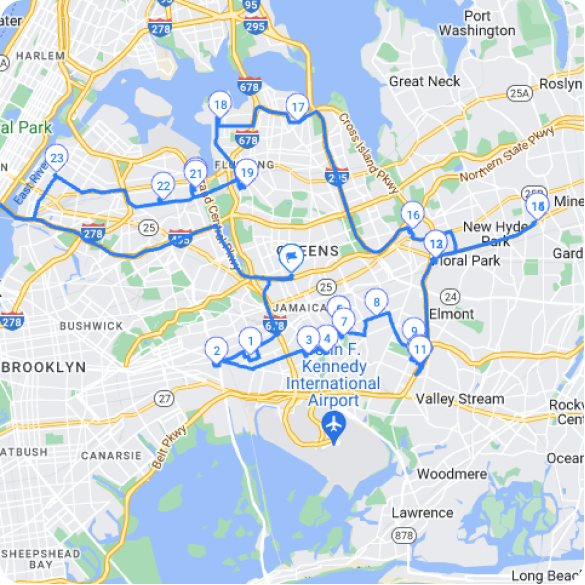
Bestem den mest effektive stopsekvens inden for hvert område. Start med de aftaler, der er længst væk, og arbejd dig mod depotet, eller brug hub-and-spoke-mønstre til spredte steder. Zeo Route Planners AI-drevne ruteoptimering sekvenserer automatisk stop for at minimere køretiden og betjener over 1.5 millioner brugere i over 150 lande.
Trin 4: Tidsvinduestyring
Skab realistiske tidsvinduer, der tager højde for servicekompleksitet og køretid. Tillad 15 minutters bufferpladser mellem aftaler i tætbefolkede områder og 30 minutter i landdistrikter. Undgå at planlægge aftaler efter hinanden på tværs af fjerne områder.
Trin 5: Integration af nødopkald
Udvikl protokoller til håndtering af hasteopkald uden at ødelægge optimerede ruter. Tildel nødopkald til teknikere, der allerede arbejder i zoner i nærheden, i stedet for den næste ledige person.
Avancerede strategier: Balancering af planlagte aftaler med nødopkald
Kabeldrift står over for unikke udfordringer med at balancere planlagt vedligeholdelse med presserende serviceanmodninger. Nødafbrydelser og installationsaftaler kan ikke vente, hvilket gør traditionel ruteoptimering mere kompleks.
Dynamisk rutejusteringNår der opstår nødopkald, skal de omfordeles til teknikere, der i øjeblikket arbejder i de nærmeste områder. Dette forhindrer én tekniker i at køre tværs over byen, mens en anden arbejder i nærheden. Moderne software til ruteoptimering muliggør rutejusteringer i realtid, der opretholder effektiviteten på trods af skiftende prioriteter.
NødberedskabszonerUdpeg specifikke teknikere som beredskabspersonale for forskellige områder i myldretiden. Disse teknikere håndterer lettere planlagte belastninger, men kan hurtigt reagere på hasteopkald inden for deres tildelte zoner.

øge brændstofbesparelser
Spar 200 USD på brændstof, månedligt!
Optimer ruter med vores algoritme, hvilket reducerer rejsetid og omkostninger effektivt.
Kom i gang gratis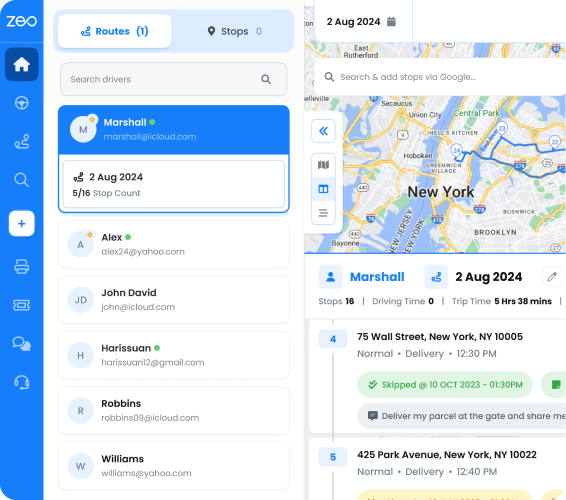
Færdighedsbaseret opgaveMatch teknikerekspertise med aftaletyper for at reducere genbesøg. Installationsspecialister håndterer nye serviceopsætninger, mens vedligeholdelsesteknikere fokuserer på reparationsopkald. Denne specialisering forbedrer løsningsprocenterne ved første opkald og eliminerer unødvendige opfølgende besøg.
Zeo Ruteplanlægger understøtter færdighedsbaseret chaufførtildeling og dynamiske rutejusteringer, der giver dispatchere mulighed for at balancere planlagt arbejde med nødprioriteter, samtidig med at optimerede ruter opretholdes for hele teamet.
ROI-beregner: Kvantificering af omkostningsbesparelser fra reduceret køretid
Beregn dine potentielle besparelser ved hjælp af disse målinger:
ArbejdsbesparelserReduktion af køretiden med 30 minutter dagligt sparer $6.25 pr. tekniker med en løn på $25/time. For 25 teknikere, der arbejder 250 dage årligt: $39,063 i arbejdsbesparelser.
Reduktion af brændstofomkostningerVed at eliminere 20 unødvendige kilometer dagligt pr. mekaniker sparer man cirka 13.40 USD i køretøjets driftsomkostninger. Årlig besparelse for 25 mekanikere: 83,750 USD.
Yderligere servicekapacitetHvis reduceret køretid tillader ét ekstra serviceopkald pr. tekniker dagligt, beregnes omsætningspåvirkningen ved at gange de ekstra opkald med den gennemsnitlige serviceværdi. For installationsopkald med et gennemsnit på 150 USD: (1 ekstra opkald × 25 teknikere × 250 dage × 150 USD) = 937,500 USD i yderligere årlig omsætningspotentiale.
Indvirkning på kundetilfredshedHurtigere svartider og mere pålidelige aftalevinduer forbedrer kundefastholdelsen. En forbedring på 5% i kundefastholdelsen påvirker beregningerne af livstidsværdi betydeligt.
Ifølge Rapport om driftseffektivitet hos Federal Communications CommissionTelekommunikationsvirksomheder, der investerer i driftseffektivitet, oplever et gennemsnitligt investeringsafkast på 240 % inden for 18 måneder, primært gennem forbedret servicelevering og reducerede driftsomkostninger. Lignende resultater er opnået inden for relaterede områder som f.eks. Køretid for HVAC-tekniker optimering.
Implementeringsvejledning: Forbind ruteoptimering med dine kabelstyringssystemer
En succesfuld reduktion af kabelteknikernes køretid kræver problemfri integration mellem ruteoptimering og dine eksisterende kabelstyringssystemer.
IntegrationsopsætningForbind din ruteoptimeringsplatform med planlægningssoftware, kundestyringssystemer og lagerstyring. Dette sikrer, at teknikerne modtager komplette joboplysninger, herunder nødvendige dele og forventet servicetid.
Dispatcher-arbejdsgangDine disponenter bruger den webbaserede ruteoptimeringsplatform til at oprette effektive daglige ruter, der tager højde for aftaleprioriteter, teknikerfærdigheder og områdetildelinger. Ruterne tager automatisk højde for køretid, servicevinduer og pauseplaner.
Tekniker mobil adgangFeltteknikere modtager optimerede ruter direkte på deres telefoner via mobilappen, komplet med trin-for-trin-navigation og kundeoplysninger. Når der opstår nødopkald, kan dispatchere øjeblikkeligt opdatere ruter og underrette den relevante tekniker. Zeos mobilplatform fungerer med flere navigationsapps og giver GPS-sporing i realtid for forbedret koordination.
YdelsesovervågningSpor vigtige målinger, herunder gennemsnitlig køretid pr. opkald, daglige serviceafslutningsrater og brændstofomkostninger pr. tekniker. Brug disse data til løbende at forfine områdegrænser og rutestrategier.
Uddannelse og adoptionTilbyd træning i mobil rutenavigation og nødopkaldsprotokoller. Fremhæv, hvordan optimeret ruteplanlægning reducerer stress ved at eliminere gætteri om effektive rejseruter og daglig planlægning. Implementering af dokumenterede strategier for flådestyring sikrer problemfri implementering på tværs af dit team.
Start implementeringen med en pilotgruppe på 5-10 teknikere for at bevise investeringsafkastet, inden den udrulles i hele virksomheden. De fleste kabelvirksomheder oplever en målbar reduktion af køretiden inden for den første uge efter implementeringen.
Ofte stillede spørgsmål
Q: Hvor stor en procentdel af en kabelteknikers dag bruges typisk på at køre bil?
Kabelteknikere bruger cirka 30-35% af deres arbejdsdag på at køre mellem servicesteder ifølge branchens benchmarks. Dette svarer til 2-3 timers daglig køretid uden indtægter, hvilket direkte påvirker driftsomkostninger og servicekapacitet.
Q: Hvor mange penge kan kabelselskaber spare ved at reducere teknikernes køretid?
Et kabelselskab med 25 teknikere kan spare næsten 400,000 dollars årligt alene i lønomkostninger ved at reducere køretiden fra 2.5 til 2 timer dagligt. Yderligere besparelser kommer fra reducerede brændstofomkostninger, køretøjsvedligeholdelse og muligheden for at udføre flere servicebesøg om dagen.
Q: Hvad er den mest effektive måde at håndtere nødopkald fra kabeltjenesten på uden at forstyrre optimerede ruter?
Den mest effektive tilgang er dynamisk rutejustering ved hjælp af ruteoptimeringssoftware som Zeo Route Planner, som øjeblikkeligt kan omfordele nødopkald til teknikere, der allerede arbejder i nærliggende områder, samtidig med at optimerede ruter opretholdes for hele teamet.
Q: Hvor mange servicebesøg bør en kabeltekniker udføre om dagen?
De bedste kabelteknikere udfører typisk 6-8 servicebesøg dagligt i forstadsområder og 8-12 besøg i tætbefolkede byområder. Landteknikere klarer normalt 4-6 besøg på grund af længere rejseafstande mellem lokationer.
Q: Hvad er den gennemsnitlige pris pr. mil for at drive et kabelservicekøretøj?
Kabelkøretøjer koster cirka 0.67 dollars pr. mil at køre, når brændstof, vedligeholdelse, forsikring og afskrivningsomkostninger medregnes. Dette gør ruteoptimering afgørende for at kontrollere driftsomkostningerne i kabeldrift.
Klar til at reducere din kabelteknikers køretid og øge servicekapaciteten? Start en gratis prøveperiode for at se, hvor meget køretid dine kabelteknikere kan spare med optimeret routing.
Er du flådeejer?
Vil du nemt administrere dine chauffører og leverancer?
Udvid din virksomhed ubesværet med Zeo Routes Planner – optimer ruter og administrer flere chauffører med lethed.

øge brændstofbesparelser
Problemfri levering og afhentning!
Optimer ruter med vores algoritme, hvilket reducerer rejsetid og omkostninger effektivt.
Kom i gang gratis