


# Sådan optimerer du takstmandsruter: Komplet guide til at reducere responstider med 40%
> TL; DR: At lære at optimere taksatorers ruter kan reducere køretiden med 30-40 % og hjælpe teams med at behandle 2-3 ekstra skader dagligt pr. taksator. Forsikringstaksatorer spilder 40 % af deres dag på ineffektiv kørsel mellem skadessteder, hvilket skaber kaskadeforsinkelser og overskredne SLA-deadlines. Ruteoptimeringsplatforme som Zeo Route Planner løser dette med AI-drevet dynamisk ruteplanlægning og færdighedsbaseret tildeling, hvilket hjælper forsikringsteams med at spare 2+ timer dagligt pr. taksator.
Taksatorer bruger næsten 40% af deres arbejdsdag på at køre mellem skadessteder, ifølge ForsikringsinformationsinstitutFor driftsledere, der fører tilsyn med store takseringsteams, betyder dette massive skjulte omkostninger og forsinket behandling af skader.
Dårlig ruteplanlægning spilder ikke bare brændstof og tid. Det skaber kaskadeproblemer, der skader din bundlinje og kunderelationer, når folk har mest brug for dig. At forstå, hvordan man optimerer takstmandsruter effektivt, kan transformere både driftseffektiviteten og kundetilfredsheden.
De skjulte omkostninger ved ineffektive takstruter: Hvorfor manuel planlægning mislykkes
Manuel ruteplanlægning skaber en dominoeffekt af driftsproblemer, som de fleste forsikringsselskaber undervurderer.
Køretid dominerer produktive timer
Den gennemsnitlige taksator håndterer 8-12 skader om dagen på tværs af områder, der strækker sig over 50 kilometer. Uden optimeret ruteføring bruger de 3-4 timer på at køre i stedet for at inspicere skader og betjene kunder.
Det betyder, at du betaler dygtige fagfolk for at sidde i trafikken, når de burde vurdere skader på ejendom eller behandle hastekrav.
Misligholdte SLA-frister udløser sanktioner
Forsikringsreglerne kræver specifikke svartider for forskellige typer af skader. Nødskader kræver ofte svar samme dag, mens almindelige ejendomsskader typisk kræver kontakt inden for 24-48 timer.
Når taksatorer zigzagger på tværs af områder på grund af dårlig ruteplanlægning, overskrider de disse deadlines. Forsinkede svar udløser lovpligtige sanktioner og skader kunderelationer i allerede stressende situationer.
Nødsituationer forstyrrer hele tidsplaner
Her er et almindeligt scenarie: Din taksator starter sin dag med 10 planlagte ejendomsinspektioner over hele byen. Klokken 2 kommer der et nødskadeanmeldelse af en bil, der kræver øjeblikkelig indsats.
Med manuel planlægning skaber tilføjelse af dette nødstop kaos. Taksatoren udsætter enten alle resterende aftaler eller kører ineffektive ruter for at imødekomme den hastende sag.
Overlapning af territorier spilder ressourcer
Flere taksatorer kører ofte på tværs af de samme områder på samme dag, fordi disponenterne mangler indsigt i optimal områdedækning. Denne overlapning fordobler køretiden og skaber unødvendigt slid på køretøjerne.
Ruteoptimering for forsikringsrådgivere: Unikke udfordringer og løsninger
Takstmandsruter adskiller sig markant fra standard leveringsoptimering. At forstå disse unikke krav hjælper dig med at vælge den rigtige løsning.
Krav varierer efter kompleksitet og varighed
I modsætning til ensartede leveringsstop har taksatoraftaler vidt forskellige tidskrav. En simpel bilskade kan tage 30 minutter, mens en kompleks vurdering af ejendomsskader kan kræve 2-3 timer.
Dit rutesystem skal tage højde for disse variable aftalevarigheder for at skabe realistiske tidsplaner, der ikke ophober forsinkelser i løbet af dagen.
Krav til færdighedsbaserede opgaver
Ikke alle taksatorer håndterer alle typer skader. Skader over erhvervsejendomme kræver en anden ekspertise end skader over for private bilulykker. Nogle taksatorer specialiserer sig i stormskader, mens andre fokuserer på ansvarssager.
Effektiv ruteoptimering skal tage højde for taksatorernes specialiseringer ved tildeling af skader, ikke kun geografisk nærhed.
Tidsfølsomme prioritetsniveauer
Forsikringskrav opererer på flere prioritetsniveauer. Nødskader (som vandskader eller ulykkessteder) kræver øjeblikkelig reaktion. Standardkrav kan planlægges inden for normale tidsrammer.
Din ruteløsning skal skelne mellem disse prioritetsniveauer og dynamisk justere ruter, når der opstår hastekrav.
Kundetilgængelighedsvinduer
Forsikringstagere er ikke altid tilgængelige for skadesinspektioner. Mange arbejder i åbningstiden og kan kun mødes med skadesbehandlere i tidlige morgen- eller aftenvinduer.
Ifølge JD Powers tilfredshedsundersøgelse med forsikringskrav, planlægningsfleksibilitet påvirker kundetilfredsheden betydeligt. Din ruteplanlægning skal imødekomme disse begrænsninger, samtidig med at effektiviteten opretholdes.
Vigtige funktioner i ruteplanlægningssoftware til takstatorer
Det rigtige software til ruteoptimering transformerer taksatorers produktivitet gennem specifikke funktioner designet til skadeshåndtering.
Dynamiske rutejusteringer for nødsituationer
Når der opstår hastekrav midt på dagen, bør dit system automatisk genberegne ruter for berørte taksatorer. Det betyder, at nødstoppet tilføjes, samtidig med at forstyrrelsen af resterende aftaler minimeres.
Zeo Route Planner håndterer dynamiske rutejusteringer i realtid, hvilket giver disponenter mulighed for at tilføje hastekrav uden manuel omplanlægning. AI-optimeringen finder automatisk det mest effektive indsættelsespunkt og opdaterer taksatorens rute med det samme.
Færdighedsbaseret automatisk tildeling
Din platform bør automatisk matche skader med kvalificerede taksatorer baseret på ekspertise, placering og nuværende arbejdsbyrde. Dette forhindrer forkert tildelte skader, der skaber forsinkelser og kvalitetsproblemer.
Opsæt taksatorprofiler med specialiseringer (bil, ejendom, erhverv, stormskader), og lad systemet håndtere intelligent tildeling baseret på skadestyper og områdedækning.
Tidsvinduestyring
Taksatorer har brug for fleksibilitet for at imødekomme kundernes tidsplaner, samtidig med at ruteeffektiviteten opretholdes. Kig efter systemer, der optimerer ruterne omkring kundernes tilgængelighedsvinduer uden at skabe for meget køretid.
Platformen bør også tage højde for realistiske aftalevarigheder baseret på kravskompleksitet og dermed forhindre urealistisk planlægning, der fører til konstante forsinkelser.
Kommunikation og opdateringer i realtid
Taksatorer har brug for øjeblikkelig kommunikation med ekspeditionen for statusopdateringer, yderligere oplysninger om skader og ruteændringer. Kunder har også brug for præcise ankomstmeddelelser, især ved nødsituationer.
Zeo'er driver sporingssoftware tilbyder GPS-sporing i realtid med live ETA-opdateringer, der automatisk giver kunderne besked via SMS eller e-mail, når taksatorer er på vej. Denne gennemsigtighed forbedrer tilfredsheden i stressende skadessituationer, samtidig med at ekspeditionen holdes informeret om fremskridt i marken.
Dokumentation for bevis for service
Kravsbehandling kræver grundig dokumentation for at sikre overholdelse af regler og forebyggelse af svindel. Din routing-løsning bør integreres problemfrit med indsamling af bevismateriale.
Digital signaturregistrering, fotodokumentation og detaljerede noter hjælper taksatorer med at opretholde korrekte skaderegistre, samtidig med at de strømliner inspektionsprocessen. Zeo's bevis for levering Funktioner muliggør omfattende dokumentation direkte i mobilappen.
Sådan beregner du ROI fra optimerede justeringsruter
Måling af ruteoptimerings-ROI hjælper med at retfærdiggøre teknologiske investeringer og spore forbedringer af ydeevnen over tid.
Beregning af direkte omkostningsbesparelser
Start med dine nuværende udnyttelsesmålinger for taksatorer. Spor gennemsnitlig daglig køretid, kørte kilometer og behandlede krav pr. taksator, før du implementerer optimering.
Her er et eksempel på en beregning for et team med 25 justeringsmedarbejdere:
- Nuværende gennemsnit: 3.5 timers køretid pr. takstmand dagligt
- Optimeringsmål: 30% reduktion (2.5 timers køretid)
- Tidsbesparelse: 1 time pr. takstmand dagligt = 25 timer i alt
- Ved en gennemsnitlig pris på 35 USD/time: en daglig besparelse på 875 USD = 227,500 USD årligt
Tilføj brændstofbesparelser (typisk 20-30% reduktion) og reduktioner i vedligeholdelsesomkostninger for at få en komplet beregning af direkte besparelser.
Produktivitets- og omsætningspåvirkning
Reduceret ekspeditionstid betyder flere sager, der behandles dagligt. Hvis optimering hjælper hver taksator med at håndtere 2-3 yderligere sager om dagen, skal du beregne omsætningspåvirkningen baseret på dine gennemsnitlige gebyrer for sagsbehandling.

øge brændstofbesparelser
Spar 2 timer på leveringer, hver dag!
Optimer ruter med vores algoritme, hvilket reducerer rejsetid og omkostninger effektivt.
Kom i gang gratis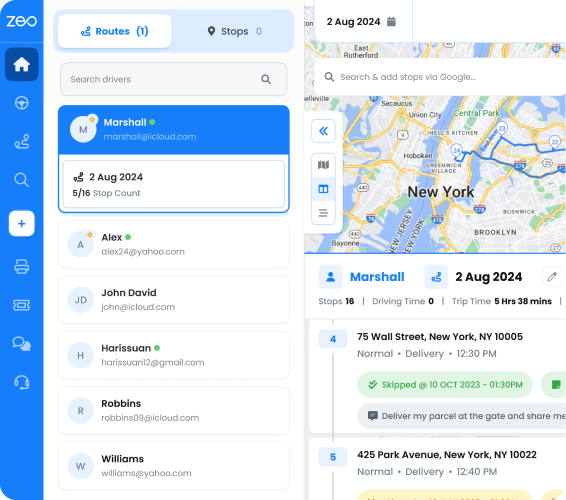
Medtag forbedrede SLA-overholdelsesrater. Ved at opfylde krav til svartid undgår du lovpligtige sanktioner og opretholder kundefastholdelse, hvilket begge har målbar økonomisk værdi.
Forbedringer af kundetilfredshed
Forsikringsforskningsrådet fandt, at tilfredshedsscorer for skader er direkte korreleret med fastholdelsesprocenter for forsikringstagere. Hurtigere svartider og præcise ankomstnotifikationer forbedrer disse scorer målbart.
Spor resultaterne af tilfredshedsundersøgelser før og efter implementering af ruteoptimering. Selv små forbedringer i tilfredshedsscorer resulterer i betydelig fastholdelsesværdi over tid.
Omkostninger ved teknologiimplementering
Medtag omkostninger til softwareabonnement, træningstid og eventuelle integrationsudgifter i din ROI-beregning. De fleste flådestyringssoftware Platforme viser positivt ROI inden for 3-6 måneder for teams på 10+ taksatorer.
Zeo Route Planners AI-drevne optimering sparer typisk 2+ timer dagligt pr. takstmand og leverer et målbart ROI fra den første implementeringsmåned.
Mobil-først ruteoptimering for feltbehandlere
Moderne taksatorer har brug for mobilvenlige værktøjer, der fungerer problemfrit i marken, ikke klodsede desktopsystemer, der ikke kan oversættes til brug i den virkelige verden.
Rutelevering og navigation
Rutebehandlere bør modtage optimerede ruter direkte på deres mobile enheder med integreret trin-for-trin-navigation. Systemet bør fungere sammen med deres foretrukne navigationsapp (Google Maps, Waze eller Apple Maps) i stedet for at tvinge dem til at lære nye grænseflader at kende.
Ruteopdateringer i realtid sendes automatisk til mobile enheder, når dispatchere tilføjer nødkrav eller ændrer tidsplaner. Dette eliminerer forvirring og sikrer, at taksatorer altid har aktuelle oplysninger.
Adgang til kravoplysninger
Mobilruteapps bør vise omfattende oplysninger om skadesanmeldelser for hvert stop, herunder forsikringstagerens kontaktoplysninger, skadesnumre, skadebeskrivelser og eventuelle særlige instruktioner.
Disse oplysninger skal være tilgængelige offline, da taksatorer ofte arbejder i områder med dårlig mobildækning. Appen bør synkronisere opdateringer, når forbindelsen vender tilbage.
Dokumentations- og kommunikationsværktøjer
Taksatorer har brug for mobile værktøjer til at tage billeder, indsamle underskrifter og registrere inspektionsnotater direkte i rute-appen. Dette strømliner dokumentationen, samtidig med at der opretholdes korrekte skaderegistreringer.
I den mobilorienterede tilgang bruger taksatorer Zeo-mobilappen til at modtage ruteopdateringer, navigere til skadeslokationer, tage billeder og underskrive skadesdokumentation og kommunikere status i realtid til dispatchere via field service management funktioner.
Statusopdateringer og fremskridtssporing
Automatiske statusopdateringer holder disponenterne informeret om fremskridt i marken uden konstante tjek. Systemet skal kunne spore, hvornår taksatorer ankommer til skadesanmeldelser, gennemfører inspektioner og flytter til næste lokation.
Denne synlighed hjælper disponenter med at styre kundernes forventninger og identificere potentielle forsinkelser, før de påvirker serviceniveauet.
Bedste praksis for flerdages ruteplanlægning og integration af nødberedskab
Forsikringsdrift kræver både strategisk planlægning af rutinemæssige skader og taktisk fleksibilitet i nødsituationer.
Ugentlig territoriumplanlægning
Planlæg taksatorområder ugentligt baseret på skadestæthed, geografiske dækningskrav og individuelle specialiseringer. Denne strategiske oversigt hjælper med at afbalancere arbejdsbyrder og sikrer tilstrækkelig dækning på tværs af dit serviceområde.
Overvej sæsonbestemte faktorer som stormmønstre, stigninger i ferierejser eller byggeprojekter, der kan påvirke trafikmønstre og skadevolumen i bestemte områder.
Daglig ruteoptimering inden for strategisk ramme
Optimer de daglige ruter baseret på nye krav, kundetilgængelighed og prioritetsændringer, samtidig med at du opretholder de ugentlige områdetildelinger. Denne hybride tilgang giver stabilitet, samtidig med at den daglige effektivitet maksimeres.
Start hver dag med ruteoptimering, der tager højde for indsendelse af krav natten over, prioritetseskaleringer og eventuelle ændringer i tidsplanen fra den foregående dags aktiviteter.
Integration af protokol til nødberedskab
Udvikl klare protokoller for håndtering af hastekrav, der opstår under normal drift. Identificer hvilke taksatorer, der kan håndtere nødopkald baseret på placering, ekspertise og aktuel fleksibilitet i tidsplanen.
Dit rutesystem bør understøtte øjeblikkelig ruteberegning, når der opstår nødsituationer, automatisk finde den nærmeste kvalificerede takstmand og opdatere deres tidsplan med minimal forstyrrelse.
Backupdækning og fleksibilitet
Indbyg fleksibilitet i de daglige skemaer til uventede situationer. Dette kan betyde at planlægge 85-90% kapacitet i stedet for at pakke hvert minut, hvilket giver plads til hastekrav og uventede forsinkelser.
Udbyg krydstræning af taksatorer på flere skadestyper, når det er muligt, hvilket giver flere muligheder for akut tildeling og reducerer flaskehalse, når specialister ikke er tilgængelige.
Ydeevneovervågning og kontinuerlig forbedring
Spor vigtige målinger ugentligt: gennemsnitlige svartider efter skadestype, kundetilfredshedsscorer, udnyttelsesgrader for taksatorer og effektivitet i områdedækningen. Brug disse data til at forfine dine rutestrategier over tid.
Regelmæssige præstationsvurderinger hjælper med at identificere taksatorer, der muligvis har brug for yderligere træning, områder, der har brug for justeringer af grænser, eller processer, der kan strømlines yderligere.
Ofte stillede spørgsmål
Q: Hvor stor en procentdel af en taksators dag bruges på at køre mellem skader?
Ifølge branchedata bruger taksører cirka 40 % af deres arbejdsdag på at køre mellem skadesteder. Dette svarer til 3-4 timer dagligt for taksører, der håndterer 8-12 skader på tværs af områder, der strækker sig over 50 kilometer.
Q: Hvordan påvirker dårlig ruteplanlægning svartiderne på forsikringskrav?
Dårlig ruteplanlægning forårsager, at taksatorer overskrider deadlines for lovpligtige SLA-aftaler, som ofte kræver samme-dags respons i nødsituationer og 24-48 timers kontakt ved almindelige ejendomskrav. Forsinkede svar udløser bøder og skader kunderelationer i stressende situationer.
Q: Kan ruteoptimeringssoftware håndtere nødsituationer, der opstår midt på dagen?
Ja, moderne ruteoptimeringsplatforme som Zeo Route Planner tilbyder dynamiske rutejusteringer, der automatisk genberegner ruter, når der opstår hastekrav, og finder det mest effektive indsættelsespunkt uden manuel omplanlægning, samtidig med at eksisterende aftaleplaner opretholdes.
Q: Hvilke funktioner bør forsikringsselskaber kigge efter i software til taksatorruter?
Væsentlige funktioner omfatter færdighedsbaserede tildelingsmatchningsjusterere til passende skadestyper, tidsvinduestyring for kundetilgængelighed, kommunikationsværktøjer i realtid og dokumentation for service med fotooptagelse og digitale signaturer til overholdelse af regler.
Q: Hvordan beregner man ROI ud fra optimerede takstruter?
Beregn direkte besparelser ved at spore den nuværende reduktion af køretiden (typisk 30%), gange med timeomkostningerne, lægge brændstofbesparelser til (20-30% reduktion) og medregne produktivitetsgevinster fra behandling af 2-3 yderligere skader dagligt pr. taksator.
Effektiv ruteplanlægning for taksatorer transformerer både driftsomkostninger og kundetilfredshed i kritiske skadessituationer. Kombinationen af strategisk områdeplanlægning og taktisk ruteoptimering hjælper forsikringsselskaber med at betjene kunder hurtigere, samtidig med at de maksimerer taksatorernes produktivitet.
Klar til at transformere din taksatordrift? Start en gratis prøveperiode for at se, hvordan Zeo kan optimere dine taksatorruter og forbedre svartiderne på skader.
Er du flådeejer?
Vil du nemt administrere dine chauffører og leverancer?
Udvid din virksomhed ubesværet med Zeo Routes Planner – optimer ruter og administrer flere chauffører med lethed.

øge brændstofbesparelser
Spar 200 USD på brændstof, månedligt!
Optimer ruter med vores algoritme, hvilket reducerer rejsetid og omkostninger effektivt.
Kom i gang gratis