



# كيفية تقليل وقت قيادة فنيي الكابلات
باختصار : تستطيع شركات الكابلات تقليل وقت تنقل الفنيين بنسبة ٢٨٪ من خلال تحسين المسارات بشكل منهجي، والذي يجمع بين تحليل المناطق، وتجميع المواعيد، وتعديلات المسارات الديناميكية للمكالمات الطارئة. تحافظ الشركات الرائدة في هذا المجال على وقت التنقل أقل من ٢٠٪ من إجمالي ساعات العمل، مقارنةً بـ ٣٥٪ للشركات ذات الأداء الضعيف. تعالج منصات تحسين المسارات، مثل Zeo Route Planner، هذه المشكلة من خلال تحسين المسارات المدعوم بالذكاء الاصطناعي وتعديلات المسارات في الوقت الفعلي، مما يساعد فرق خدمة الكابلات على توفير ساعتين أو أكثر يوميًا.
يقضي فنيو الكابلات ما يقارب ثلث يوم عملهم في التنقل بين مواقع الخدمة بدلاً من خدمة العملاء. هذا الهدر الخفي يستنزف ميزانية العمالة ويحد من عدد العملاء الذين يمكن لفريقك خدمتهم يومياً. يكتشف مديرو العمليات المتميزون كيفية تقليل وقت تنقل فنيي الكابلات من خلال استراتيجيات توجيه تعتمد على البيانات، وتوازن بين المواعيد المجدولة والإصلاحات الطارئة.
الحل لا يقتصر على التخطيط الأفضل فحسب، بل هو نهج منهجي يجمع بين تقنية تحسين المسار والأدوات المتنقلة التي تتكيف مع متطلبات الخدمة في العالم الحقيقي.
التكلفة الخفية لوقت تنقل فنيي الكابلات: لماذا يُهدر 30% من ميزانية العمالة على الطريق؟
من المرجح أن يقضي فنيو الكابلات لديك ما بين ساعتين إلى ثلاث ساعات يوميًا في التنقل بين مواقع الخدمة. ووفقًا لبيانات مكتب إحصاءات العمل ، فإن فنيي الاتصالات يقضون في المتوسط 32% من وقت عملهم في التنقل، مما يجعل وقت القيادة أحد أكبر النفقات التشغيلية بعد تكاليف العمالة.
إليك ما يكلفه وقت القيادة الزائد فعلياً لعملك:
هدر العمالة : يُمثل فني يتقاضى 25 دولارًا في الساعة ويقضي ساعتين ونصف يوميًا في القيادة تكلفة سنوية قدرها 15,625 دولارًا لكل موظف. وبضرب هذا الرقم في 2.5 فنيًا، يصل إجمالي التكلفة إلى ما يقارب 400,000 دولار سنويًا.
تكاليف الوقود والمركبة : تبلغ تكلفة تشغيل مركبة الخدمة في المتوسط 0.67 دولارًا أمريكيًا لكل ميل عند احتساب تكاليف الوقود والصيانة والاستهلاك. وتتراكم الأميال المقطوعة دون داعٍ بسرعة.
تأثير ذلك على العملاء : يؤدي سوء تخطيط المسارات إلى انخفاض عدد مواعيد الخدمة اليومية. أما إذا سمح تخطيط المسارات الأفضل لكل فني بإجراء مكالمة خدمة إضافية يوميًا، فإن فريقًا مكونًا من 25 شخصًا سيُجري 6,500 زيارة خدمة إضافية سنويًا.
تتفاقم المشكلة خلال فترات ذروة الخدمة عندما تعطل مكالمات الطوارئ المسارات المخططة بعناية، مما يجبر الفنيين على عبور المناطق عدة مرات.
كيفية حساب وقت القيادة الضائع الحالي (بالإضافة إلى معايير الصناعة)
قبل تحسين المسارات، قم بقياس أدائك الحالي باستخدام هذه المقاييس الرئيسية:
متوسط وقت القيادة اليومي : تتبع إجمالي ساعات القيادة لكل فني يوميًا. تحافظ الشركات الرائدة في هذا المجال على وقت قيادة أقل من 20% من إجمالي ساعات العمل، بينما تصل هذه النسبة إلى 35% أو أكثر في الشركات ذات الأداء الضعيف.
المسافة المقطوعة لكل مكالمة خدمة : احسب إجمالي المسافة المقطوعة يوميًا مقسومًا على عدد مكالمات الخدمة المنجزة. يبلغ متوسط المسافة المقطوعة لكل مكالمة خدمة في عمليات الكابلات الفعالة من 8 إلى 12 ميلًا، وذلك حسب كثافة التغطية في المنطقة.
عدد زيارات الصيانة اليومية : يُنجز الفنيون المتميزون من 6 إلى 8 زيارات صيانة يوميًا في المناطق شبه الحضرية، ومن 8 إلى 12 زيارة في المناطق الحضرية المكتظة. أما الفنيون في المناطق الريفية، فيُنجزون عادةً من 4 إلى 6 زيارات نظرًا لبُعد المسافات.
استخدم هذه المعادلة البسيطة لتحديد الهدر: (ساعات القيادة الحالية × معدل الأجر بالساعة × أيام العمل × حجم الفريق) = التكلفة السنوية لوقت القيادة. قارن هذه التكلفة بمعايير الصناعة لتحديد إمكانية التحسين.
تُظهر الأبحاث التي أجرتها الرابطة الوطنية لمسؤولي الاتصالات أن شركات الكابلات التي تستخدم تحسين المسار تقلل وقت القيادة بنسبة 28٪ في المتوسط، مما يؤدي إلى توفير كبير في التكاليف وتحسين قدرة خدمة العملاء.
إطار عمل تحسين مسار خدمة الكابلات المكون من 5 خطوات
اتبع هذا النهج المنهجي لتقليل وقت تنقل فنيي الكابلات في جميع أنحاء عملياتك:
الخطوة الأولى: تحليل المنطقة وتقسيم المناطق
قسّم منطقة خدمتك إلى مناطق منطقية بناءً على وقت الوصول، وليس فقط على الحدود الجغرافية. يجب أن تسمح كل منطقة بإجراء 6-8 مكالمات خدمة دون الحاجة إلى العودة إلى أماكن أخرى بشكل متكرر. ضع في اعتبارك عوامل مثل حركة المرور، ومواقع الجسور، وفترات المواعيد المعتادة.
الخطوة الثانية: تجميع المواعيد
حدد المواعيد في مجموعات جغرافية بدلاً من ترتيبها زمنيًا. اجمع مواعيد الصباح في منطقة واحدة، ومكالمات ما بعد الظهر في مناطق مجاورة. هذا يقلل من مسارات القيادة المتعرجة التي تهدر الوقت والوقود.
الخطوة 3: تحسين تسلسل المسار
حدد التسلسل الأمثل للتوقفات داخل كل منطقة. ابدأ بأبعد المواعيد واتجه نحو المستودع، أو استخدم نمط المحور والفروع للمواقع المتباعدة. يعمل نظام تحسين المسارات المدعوم بالذكاء الاصطناعي في Zeo Route Planner على ترتيب التوقفات تلقائيًا لتقليل وقت القيادة، ويخدم أكثر من 1.5 مليون مستخدم في أكثر من 150 دولة.
الخطوة الرابعة: إدارة النطاق الزمني
حدد فترات زمنية واقعية تراعي مدى تعقيد الخدمة ووقت التنقل. خصص فاصلاً زمنياً مدته 15 دقيقة بين المواعيد في المناطق المكتظة بالسكان، و30 دقيقة في المناطق الريفية. تجنب جدولة مواعيد متتالية في مناطق متباعدة.
الخطوة 5: دمج مكالمات الطوارئ
قم بوضع بروتوكولات للتعامل مع طلبات الخدمة العاجلة دون التأثير على المسارات المُحسّنة. قم بتخصيص المكالمات الطارئة للفنيين العاملين بالفعل في المناطق المجاورة بدلاً من الشخص التالي المتاح.
استراتيجيات متقدمة: الموازنة بين المواعيد المجدولة ومكالمات خدمة الطوارئ
تواجه عمليات تشغيل الكابلات تحديات فريدة في الموازنة بين الصيانة المخططة وطلبات الخدمة العاجلة. لا يمكن تأجيل حالات انقطاع الخدمة الطارئة ومواعيد التركيب، مما يجعل تحسين المسارات التقليدية أكثر تعقيدًا.
تعديل المسار الديناميكي : عند ورود مكالمات طارئة، يُعاد توجيهها إلى الفنيين العاملين حاليًا في أقرب المناطق. هذا يمنع فنيًا من القيادة عبر المدينة بينما يعمل آخر في مكان قريب. يُمكّن برنامج تحسين المسار الحديث من إجراء تعديلات على المسار في الوقت الفعلي، مما يحافظ على الكفاءة رغم تغير الأولويات.
مناطق الاستجابة للطوارئ : يتم تعيين فنيين محددين كفرق استجابة للطوارئ في مناطق مختلفة خلال ساعات الذروة. يتعامل هؤلاء الفنيون مع أحمال عمل أقل، لكنهم قادرون على الاستجابة بسرعة للمكالمات العاجلة ضمن مناطقهم المخصصة.

زيادة توفير الوقود
توفير 200 دولار على الوقود شهريا!
قم بتحسين المسارات باستخدام الخوارزمية الخاصة بنا، مما يقلل وقت السفر والتكاليف بكفاءة.
ابدأ مجانا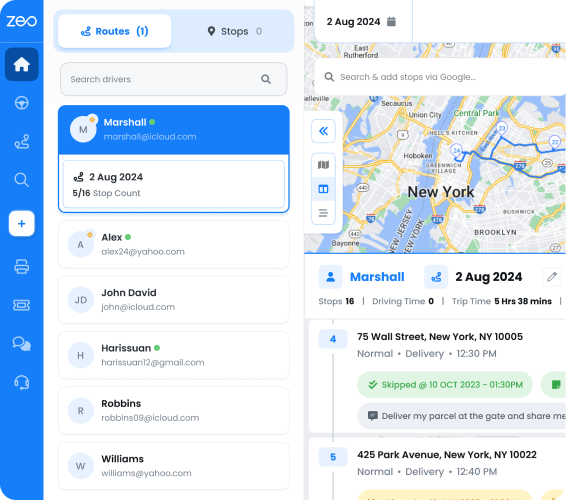
التوزيع حسب المهارات : يتمّ ربط خبرة الفنيين بأنواع المواعيد لتقليل الزيارات المتكررة. يتولى متخصصو التركيب إعداد الخدمات الجديدة، بينما يركز فنيو الصيانة على طلبات الإصلاح. يُحسّن هذا التخصص معدلات حل المشكلات من أول اتصال ويُلغي زيارات المتابعة غير الضرورية.
يدعم برنامج Zeo Route Planner تعيين السائقين بناءً على المهارات وتعديلات المسار الديناميكية، مما يسمح للمرسلين بتحقيق التوازن بين العمل المجدول وأولويات الطوارئ مع الحفاظ على المسارات المثلى للفريق بأكمله.
حاسبة عائد الاستثمار: تحديد وفورات التكاليف الناتجة عن تقليل وقت القيادة
احسب مدخراتك المحتملة باستخدام هذه المقاييس:
توفير تكاليف العمالة : يؤدي تقليل وقت القيادة بمقدار 30 دقيقة يوميًا إلى توفير 6.25 دولارًا لكل فني بأجر 25 دولارًا في الساعة. بالنسبة لـ 25 فنيًا يعملون 250 يومًا سنويًا: تصل وفورات العمالة إلى 39,063 دولارًا.
خفض تكاليف الوقود : يؤدي تقليل 20 ميلاً غير ضرورية يومياً لكل فني إلى توفير ما يقارب 13.40 دولاراً أمريكياً من تكاليف تشغيل المركبة. ويبلغ إجمالي الوفورات السنوية لـ 25 فنياً 83,750 دولاراً أمريكياً.
زيادة القدرة الاستيعابية للخدمة : إذا سمح تقليل وقت القيادة بإجراء مكالمة خدمة إضافية واحدة لكل فني يوميًا، فاحسب تأثير ذلك على الإيرادات بضرب عدد المكالمات الإضافية في متوسط قيمة الخدمة. بالنسبة لمكالمات التركيب التي يبلغ متوسط قيمتها 150 دولارًا: (مكالمة إضافية واحدة × 25 فنيًا × 250 يومًا × 150 دولارًا) = 937,500 دولارًا أمريكيًا كإيرادات سنوية إضافية محتملة.
أثر ذلك على رضا العملاء : تساهم سرعة الاستجابة وتوفير مواعيد أكثر موثوقية في تحسين الاحتفاظ بالعملاء. ويؤثر تحسن بنسبة 5% في معدل الاحتفاظ بالعملاء بشكل كبير على حسابات القيمة الدائمة للعميل.
بحسب تقرير الكفاءة التشغيلية الصادر عن لجنة الاتصالات الفيدرالية ، تحقق شركات الاتصالات التي تستثمر في الكفاءة التشغيلية عائدًا على الاستثمار بنسبة 240% في المتوسط خلال 18 شهرًا، ويعود ذلك بشكل أساسي إلى تحسين جودة الخدمات المقدمة وخفض التكاليف التشغيلية. وقد تحققت نتائج مماثلة في مجالات ذات صلة، مثل تحسين وقت تنقل فنيي التكييف والتهوية .
دليل التنفيذ: ربط تحسين المسار بأنظمة إدارة الكابلات الخاصة بك
يتطلب تقليل وقت قيادة فنيي الكابلات بنجاح التكامل السلس بين تحسين المسار وأنظمة إدارة الكابلات الحالية لديك.
إعداد التكامل : اربط منصة تحسين المسارات الخاصة بك ببرامج الجدولة وأنظمة إدارة العملاء وتتبع المخزون. يضمن ذلك حصول الفنيين على معلومات كاملة عن العمل، بما في ذلك قطع الغيار المطلوبة والوقت المقدر للخدمة.
سير عمل المنسق : يستخدم المنسقون منصة تحسين المسارات عبر الإنترنت لإنشاء مسارات يومية فعّالة، مع مراعاة أولويات المواعيد ومهارات الفنيين وتوزيع المناطق. وتُراعي المسارات تلقائيًا وقت القيادة وفترات الخدمة وجداول الاستراحة.
وصول الفنيين عبر الهاتف المحمول : يتلقى الفنيون الميدانيون مسارات مُحسّنة مباشرةً على هواتفهم عبر تطبيق الهاتف المحمول، مع توجيهات خطوة بخطوة وبيانات العملاء. عند ورود مكالمات طارئة، يُمكن للموظفين تحديث المسارات فورًا وإخطار الفني المختص. تعمل منصة Zeo للهواتف المحمولة مع العديد من تطبيقات الملاحة وتوفر تتبعًا فوريًا عبر نظام تحديد المواقع العالمي (GPS) لتحسين التنسيق.
مراقبة الأداء : تتبع المؤشرات الرئيسية بما في ذلك متوسط وقت القيادة لكل مكالمة، ومعدلات إنجاز الخدمة اليومية، وتكاليف الوقود لكل فني. استخدم هذه البيانات لتحسين حدود المناطق واستراتيجيات التوجيه بشكل مستمر.
التدريب والتطبيق : قدّم تدريبًا على الملاحة عبر الهاتف المحمول وبروتوكولات الاتصال في حالات الطوارئ. ركّز على كيف يُقلّل التوجيه الأمثل من التوتر من خلال التخلص من التخمين بشأن مسارات السفر الفعّالة والجدولة اليومية. يضمن تطبيق استراتيجيات إدارة الأسطول المُثبتة سهولة تطبيقها من قِبل جميع أعضاء فريقك.
ابدأ بتطبيق النظام مع مجموعة تجريبية من 5 إلى 10 فنيين لإثبات عائد الاستثمار قبل تعميمه على مستوى الشركة. تشهد معظم عمليات الكابلات انخفاضًا ملحوظًا في وقت التنقل خلال الأسبوع الأول من التطبيق.
الأسئلة الشائعة
س: ما هي النسبة المئوية من يوم فني الكابلات التي يقضيها عادةً في القيادة؟
يقضي فنيو الكابلات ما يقارب 30-35% من يوم عملهم في التنقل بين مواقع الخدمة، وفقًا لمعايير الصناعة. وهذا يعني ساعتين إلى ثلاث ساعات يوميًا من وقت القيادة غير المُدرّ للدخل، مما يؤثر بشكل مباشر على تكاليف التشغيل وقدرة الخدمة.
س: ما مقدار الأموال التي يمكن لشركات الكابلات توفيرها عن طريق تقليل وقت تنقل الفنيين؟
بإمكان شركة كابلات تضم 25 فنيًا توفير ما يقارب 400 ألف دولار سنويًا في تكاليف العمالة وحدها، وذلك بتقليل وقت التنقل من ساعتين ونصف إلى ساعتين يوميًا. وتشمل الوفورات الإضافية انخفاض تكاليف الوقود وصيانة المركبات، بالإضافة إلى القدرة على إنجاز عدد أكبر من طلبات الخدمة يوميًا.
س: ما هي الطريقة الأكثر فعالية للتعامل مع مكالمات خدمة الكابلات الطارئة دون تعطيل المسارات المُحسّنة؟
إن النهج الأكثر فعالية هو تعديل المسار الديناميكي باستخدام برامج تحسين المسار مثل Zeo Route Planner، والذي يمكنه إعادة تعيين مكالمات الطوارئ على الفور للفنيين الذين يعملون بالفعل في المناطق المجاورة مع الحفاظ على المسارات المحسّنة للفريق بأكمله.
س: كم عدد مكالمات الخدمة التي يجب على فني الكابلات إكمالها يومياً؟
يُنجز فنيو الكابلات المتميزون عادةً ما بين 6 إلى 8 زيارات صيانة يوميًا في المناطق الضواحي، وما بين 8 إلى 12 زيارة في المناطق الحضرية المكتظة. أما الفنيون في المناطق الريفية، فيُنجزون عادةً ما بين 4 إلى 6 زيارات صيانة نظرًا لطول مسافات التنقل بين المواقع.
س: ما هو متوسط تكلفة تشغيل مركبة خدمة الكابلات لكل ميل؟
تُكلّف مركبات خدمة الكابلات حوالي 0.67 دولار أمريكي لكل ميل عند احتساب تكاليف الوقود والصيانة والتأمين والاستهلاك. وهذا يجعل تحسين المسارات أمراً بالغ الأهمية للتحكم في النفقات التشغيلية في عمليات خدمة الكابلات.
هل أنت مستعد لتقليل وقت تنقل فنيي الكابلات وزيادة سعة الخدمة؟ ابدأ تجربة مجانية لترى مقدار الوقت الذي يمكن لفنيي الكابلات توفيره من خلال تحسين مسارات التوصيل.
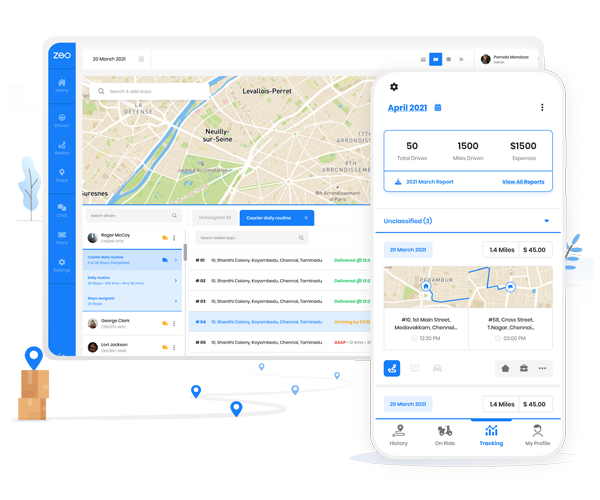
هل أنت صاحب الأسطول؟
هل تريد إدارة برامج التشغيل وعمليات التسليم الخاصة بك بسهولة؟
قم بتنمية أعمالك بسهولة باستخدام Zeo Routes Planner - قم بتحسين المسارات وإدارة السائقين المتعددين بكل سهولة.

زيادة توفير الوقود
وفر ساعتين عند التسليم، كل يوم!
قم بتحسين المسارات باستخدام الخوارزمية الخاصة بنا، مما يقلل وقت السفر والتكاليف بكفاءة.
ابدأ مجانا