

# How to Reduce Nurse Travel Time and Boost Patient Care Hours
> TL; DR: Healthcare administrators can reduce nurse travel time by implementing AI-powered route optimization that groups patients geographically and schedules visits in logical sequences. Poor route planning wastes 2+ hours daily that could be spent on patient care instead. Route optimization tools like Zeo Route Planner address this with automated route calculations and real-time GPS tracking, helping nursing teams save 2+ hours daily while increasing billable patient care hours.
Nursing administrators face a constant challenge: nurses spending too much time driving between patients instead of providing care. Every minute your nurses sit in traffic is a minute not spent with patients who need their expertise. Learning how to reduce nurse travel time directly impacts both patient outcomes and your organization’s bottom line.
The average home health nurse travels 100+ miles daily between patient visits. Poor route planning turns this into 3-4 hours of driving time that could be patient care hours instead.
The Hidden Cost of Inefficient Nurse Travel Routes
Inefficient nursing routes create a ripple effect of problems across your entire operation. When nurses zigzag across town or backtrack through the same neighborhoods, the real costs add up quickly.
Lost billable hours hurt your bottom line most. If a nurse spends 4 hours driving instead of 2 hours with optimized routes, you lose 2 billable hours daily. At $65 per billable hour, that’s $130 lost per nurse per day.
Fuel costs compound the problem. According to the Bureau ng Labor Statistics, transportation represents 15-20% of home healthcare operational costs. Inefficient routes can increase this by 30-40% through unnecessary mileage.
Nurse burnout accelerates when driving dominates their day. Excessive travel time leads to longer workdays, rushed patient visits, and job dissatisfaction. The American Nurse Association reports that work-related stress, including inefficient scheduling, contributes significantly to the 18% annual nursing turnover rate.
Consider this scenario: Nurse Sarah starts her day in downtown, drives 45 minutes to the suburbs for one patient, then drives back downtown for her next visit, only to return to the same suburban area later. This poor routing wastes 90 minutes and two gallons of gas.
Strategic Route Planning to Reduce Nurse Travel Time
Effective route planning starts with grouping patients geographically and scheduling visits in logical sequences. The goal is creating routes that flow naturally through neighborhoods without backtracking.
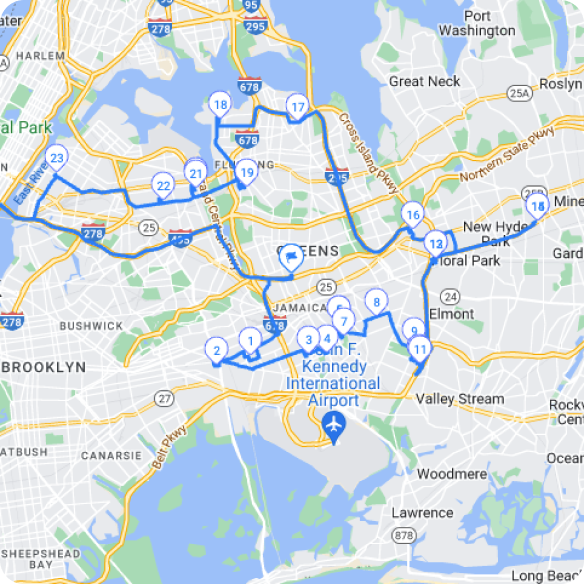
Map your patients by location first. Plot all patient addresses on a map and look for natural clusters. Schedule nurses to complete all visits within one area before moving to the next zone.
Consider appointment time windows carefully. Some patients require specific visit times for medication schedules or caregiver availability. Build routes that respect these constraints while minimizing travel between time-sensitive appointments.
Factor in visit duration accurately. A 30-minute wound care visit needs different routing than a 90-minute physical therapy session. Plan routes based on actual visit times, not assumptions.
Account for traffic patterns throughout the day. Morning routes should avoid school zones during drop-off times. Afternoon schedules need extra time for rush hour delays between certain areas.
Plan for emergency visits and schedule changes. Reserve 15-20% of each nurse’s schedule for urgent calls or extended visits. This flexibility prevents one emergency from derailing an entire day’s route.
Technology Solutions for Real-Time Route Optimization
Modern route optimization technology transforms manual scheduling into automated efficiency. Healthcare administrators who implement digital routing solutions see immediate improvements in nurse productivity and job satisfaction.
AI-powered route optimization calculates the most efficient sequences automatically. Instead of spending hours planning routes manually, technology evaluates all variables – patient locations, time windows, traffic patterns – and creates optimal routes in seconds.
Zeo Route Planner solves this by providing healthcare fleet management administrators with a web platform to plan and assign optimized routes while nurses receive their daily schedules directly through the mobile app. The AI-powered optimization saves 2+ hours of travel time daily per nurse.
Real-time adjustments handle schedule changes seamlessly. When a patient cancels or requests an earlier visit, software sa pagsubaybay ng driver recalculates routes automatically to maintain efficiency.
GPS tracking provides visibility into actual travel times and helps identify problem areas. You can see which routes consistently run late and adjust scheduling accordingly.
The Zeo mobile app includes proof of service features with photo capture and digital signatures, allowing nurses to document patient visits for compliance requirements while staying on schedule.
Live ETA updates keep patients informed about arrival times, reducing no-shows and improving patient satisfaction. When nurses run early or late, patients receive automatic notifications.
Multi-Location Scheduling and Efficient Route Management
Managing nurses who travel between multiple facilities, patient homes, and medical offices requires sophisticated coordination. Each location type has different requirements that impact routing decisions.
Hospital to home visits need buffer time for parking and building navigation. Schedule extra time when nurses transition from large medical facilities to residential areas. Hospital parking and elevator delays can add 15-20 minutes to departure times.
Assisted living facilities often have preferred visit windows. Many facilities prefer nursing visits during specific hours to align with resident meal times and activities. Build these preferences into your routing constraints.
Create geographic territories for consistency. Assign nurses to specific regions when possible. This builds familiarity with traffic patterns, parking options, and patient locations, leading to more accurate time estimates.
For example, assign Nurse Jennifer to the eastern suburbs while Nurse Michael covers downtown and nearby neighborhoods. This territorial approach reduces travel time and helps nurses build stronger patient relationships.
Coordinate equipment and supply needs by location. Group patients requiring similar medical equipment or supplies to minimize what nurses carry between visits. A nurse doing three wound care visits should handle them consecutively rather than scattered throughout the day.
Mileage Tracking and Cost Reduction Strategies for Nursing Operations
Accurate mileage tracking serves dual purposes: controlling operational costs and supporting nurse reimbursements. Most healthcare agencies underestimate the true cost of nurse travel because they don’t track mileage systematically.

dagdagan ang pagtitipid sa gasolina
Makatipid ng 2 Oras sa Paghahatid, Araw-araw!
I-optimize ang mga ruta gamit ang aming algorithm, binabawasan ang oras ng paglalakbay at mga gastos nang mahusay.
Magsimula para sa Libre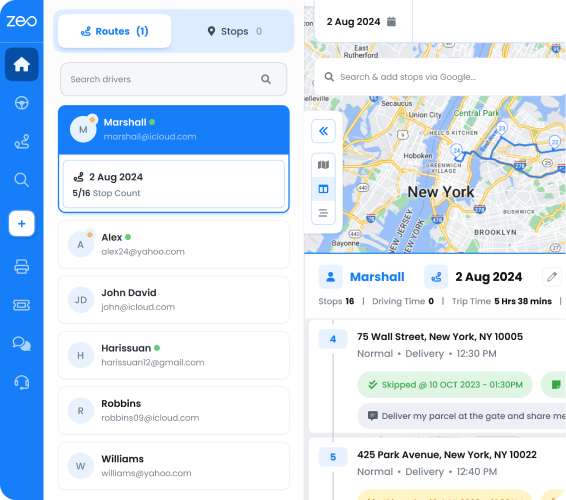
Implement automatic mileage tracking to capture real costs. Manual mileage logs are often incomplete and inaccurate. Digital tracking provides precise data for cost analysis and tax records.
Ang IRS allows healthcare organizations to deduct business mileage at $0.67 per mile in 2026. For a nurse driving 500 miles weekly, that’s $335 in weekly deductions – but only if you track mileage accurately.
Analyze mileage patterns to identify optimization opportunities. Weekly mileage reports show which routes generate excessive driving and where geographic adjustments could help.
Mileage routing software captures exact distances for expense records and reimbursements, eliminating manual logbooks and ensuring accurate documentation for tax purposes.
Set mileage budgets by territory. Establish baseline mileage expectations for different geographic areas. Routes consistently exceeding these baselines need restructuring.
Consider fuel-efficient vehicle policies. If your agency provides vehicles, prioritize fuel efficiency. A vehicle getting 35 MPG versus 25 MPG saves $400+ monthly per nurse at current fuel prices.
Implementing Route Optimization for Better Nurse Retention
Route optimization directly impacts nurse retention by improving work-life balance and job satisfaction. Nurses who spend less time driving experience less stress and have more energy for patient care.
Reduced drive time means more predictable schedules. When routes are efficient, nurses finish closer to their planned end times. This predictability helps nurses maintain better work-life balance and reduces burnout.
Less driving reduces vehicle wear and personal expenses. Nurses using personal vehicles appreciate routes that minimize mileage, saving money on gas, maintenance, and vehicle depreciation.
Efficient routes improve patient care quality. Nurses arriving on time and unstressed provide better patient care. They have adequate time for thorough assessments instead of rushing between appointments.
Start implementation with a pilot group of 3-5 nurses. Track their mileage, drive time, and job satisfaction scores before and after optimization. Use these results to demonstrate value before rolling out agency-wide.
Train nurses on new routing technology gradually. Provide hands-on training sessions and ongoing support. Change management succeeds when nurses understand how optimization benefits their daily work experience.
Monitor key metrics weekly: average daily mileage per nurse, billable hours percentage, patient satisfaction scores, and nurse retention rates. These metrics demonstrate the ROI of mga pinakamahusay na kasanayan sa pag-optimize ng ruta pamumuhunan.
Celebrate early wins with your nursing team. When Nurse Lisa saves 90 minutes daily through better routing, share that success story. Positive examples encourage adoption and highlight the personal benefits of optimized scheduling.
Mga Madalas Itanong
Q: How much time do home health nurses typically spend driving between patients?
The average home health nurse travels 100+ miles daily and spends 3-4 hours driving between patient visits with poor route planning. Optimized routes can reduce this to 2 hours or less, freeing up valuable time for patient care.
Q: What’s the biggest cost impact of inefficient nurse routing?
Lost billable hours represent the largest financial impact. When nurses spend 4 hours driving instead of 2 hours with optimized routes, healthcare agencies lose approximately $130 per nurse per day at $65 per billable hour, plus additional fuel and vehicle costs.
Q: Can route optimization software handle last-minute schedule changes for nurses?
Yes, modern route optimization platforms like Zeo Route Planner provide real-time adjustments when patients cancel or request schedule changes. The AI-powered optimization recalculates routes automatically while maintaining efficiency and providing live ETA updates to remaining patients.
Q: How does reducing nurse travel time improve patient care quality?
When nurses spend less time driving, they arrive less stressed and have adequate time for thorough patient assessments instead of rushing between appointments. Predictable schedules also improve work-life balance, reducing burnout and improving overall care quality.
Q: What documentation is needed for nurse mileage tracking and reimbursements?
Healthcare organizations need precise mileage records for IRS deductions ($0.67 per mile in 2026) and nurse reimbursements. Digital tracking systems provide accurate documentation that manual logbooks often miss, ensuring compliance and proper expense management.
Ready to transform your nursing operations? Start a free trial of Zeo Route Planner to see how much travel time your nursing team can save while increasing patient care hours and reducing operational costs.
Ikaw ba ay may-ari ng fleet?
Nais na madaling pamahalaan ang iyong mga driver at paghahatid?
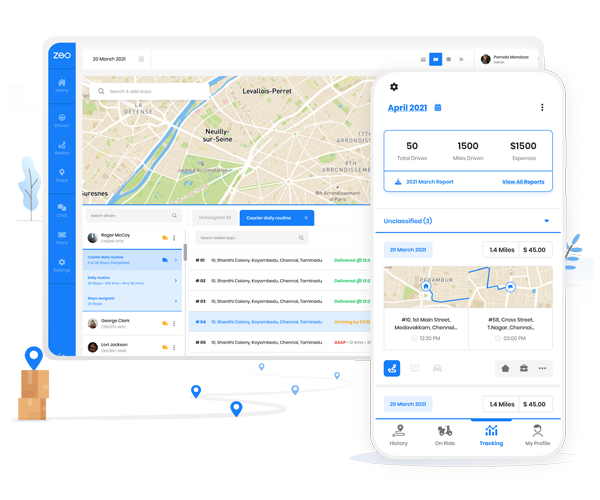
Palakihin ang iyong negosyo nang walang kahirap-hirap gamit ang Zeo Routes Planner – i-optimize ang mga ruta at pamahalaan ang maraming driver nang madali.
dagdagan ang pagtitipid sa gasolina
Hassle Free Delivery at Pickups!
I-optimize ang mga ruta gamit ang aming algorithm, binabawasan ang oras ng paglalakbay at mga gastos nang mahusay.
Magsimula para sa Libre