



# Hur man optimerar fönsterputsningsrutter: Komplett guide för 2026
> TL; DR: Ruttoptimering för fönsterputsning minskar den dagliga restiden med 2–3 timmar per arbetslag samtidigt som kundnöjdheten förbättras genom förutsägbar schemaläggning. Dålig ruttläggning kostar företag över 2 000 dollar årligen per arbetslag enbart i bränsle, plus förlorade intäkter från övertid och missade möten. AI-drivna ruttoptimeringsverktyg som Zeo Route Planner löser detta med intelligent schemaläggning som tar hänsyn till tidsfönster och jobblängd, vilket hjälper fönsterputsningsteam att spara över 2 timmar dagligen.
Att driva ett fönsterputsningsföretag med flera arbetslag innebär att lösa ett dagligt pussel. Att lära sig optimera fönsterputsningsrutter effektivt omvandlar kaotisk planering till systematisk vinstgenerering. Du jonglerar återkommande kommersiella kontrakt, bostadsstädningar och akuta jobb i sista minuten samtidigt som du försöker minimera körtiden mellan platser.
Dålig ruttplanering kostar fönsterputsningsföretag i genomsnitt 2–3 timmar per arbetslag dagligen, enligt Data från Bureau of Labor Statistics om tjänstesektornDet är förlorade intäkter, frustrerade kunder och personal som arbetar övertid bara för att slutföra sina schemalagda jobb.
Lösningen är inte att arbeta hårdare – den är att arbeta smartare med systematisk ruttoptimering som omvandlar kaotisk daglig planering till förutsägbar, lönsam verksamhet.
De dolda kostnaderna för dålig ruttplanering vid fönsterputsning
Manuell ruttplanering skapar en kaskad av problem som tär på dina vinster varje dag.
Överdriven restid mellan jobb
När arbetslag kör i sicksack genom staden mellan rengöringarna betalar du för tid vid vindrutan istället för fakturerbart arbete. En dåligt planerad rutt kan öka körtiden med 45–60 minuter jämfört med en optimerad sekvens.
De extra milen ökar snabbt. Om varje besättning kör ytterligare 32 kilometer dagligen på grund av dåliga rutter, får man räkna med över 2 000 dollar i extra bränslekostnader per besättning årligen med nuvarande bensinpriser.
Missade tidsfönster och missnöjda kunder
Kontrakt för kommersiella fönsterputsningsavtal anger ofta snäva tidsfönster – särskilt för butiker som inte kan ha personal som blockerar kundernas åtkomst under rusningstid. Att missa dessa fönster skadar kundrelationerna och kan kosta dig lukrativa kontrakt.
Privatkunder blir frustrerade när personal dyker upp sent eller behöver boka om. Enligt Bureau of Labor Statistics minskar kundlojaliteten inom serviceföretag avsevärt när tjänsteleveransen blir oförutsägbar.
Oförmåga att skala operationer
Utan systematisk routing blir det exponentiellt mer komplext att lägga till nya arbetslag. Det går inte att effektivt balansera områden eller säkerställa en konsekvent servicekvalitet över flera team.
Besättningströtthet och personalomsättning
Ineffektiva rutter innebär längre dagar för era arbetslag. När team konsekvent arbetar övertid bara för att slutföra standardrutter minskar arbetstillfredsställelsen och personalomsättningen ökar.
Komplett ramverk för ruttoptimering: Från kunddata till daglig exekvering
Effektiv ruttoptimering börjar med att organisera dina kunddata och slutar med sömlös daglig exekvering.
Steg 1: Centralisera kundinformation
Skapa en huvuddatabas med varje jobbplats, inklusive:
- Fullständiga adresser med byggnadsanteckningar
- Servicefrekvens (veckovis, varannan vecka, månadsvis, kvartalsvis)
- Föredragna tidsfönster
- Särskilda utrustningskrav
- Historisk data om jobblängd
Steg 2: Definiera serviceområden
Dela upp ditt serviceområde i logiska territorier baserat på:
- Geografiska gränser (motorvägar, floder, stadsgränser)
- Besättningskapacitet och kompetenser
- Kundtäthet och servicefrekvens
- Genomsnittlig restid mellan kluster
Tilldela primär- och reservpersonal till varje område för att upprätthålla konsekvens och kundrelationer.
Steg 3: Implementera systematisk ruttplanering
Förvandla den dagliga planeringen från ett tidskrävande pussel till en effektiv process. Zeo Route Planner löser detta genom att använda AI-driven optimering som tar hänsyn till tidsfönster, jobbtid och besättningskapacitet för att skapa optimala rutter på minuter snarare än timmar.
Systemet hanterar komplexa variabler som:
- Balansera återkommande jobb och engångsjobb
- Respektera kundernas tidspreferenser
- Redovisning för olika jobbtyper och varaktigheter
- Minimera den totala restiden för alla besättningar
Steg 4: Skapa förutsägbara dagliga scheman
Era arbetslag får optimerade rutter direkt till sina telefoner via mobilappen, komplett med steg-för-steg-navigering och kundinformation. Detta eliminerar förvirring och säkerställer att alla börjar dagen med tydliga och effektiva scheman.
Steg 5: Bygg in bufferttid
Inkludera realistisk bufferttid mellan jobb för:
- Uppställning och nedmontering av utrustning (10–15 minuter)
- Oväntade förseningar (väder, tillträde till byggnaden)
- Resa mellan platser
- Kundinteraktioner och betalningsinkasso
Genomförande leveransbevis system hjälper till att dokumentera slutförandetider och förfina dessa buffertuppskattningar över tid.
Avancerade schemaläggningsstrategier: Balansering av återkommande kommersiella, bostads- och akutjobb
Fönsterputsningsföretag jonglerar tre olika typer av arbete, vart och ett med olika schemaläggningskrav.
Återkommande kommersiella kontrakt: Stiftelsen
Kommersiella konton ger stadiga intäkter men kräver noggrann schemaläggning kring öppettiderna. De flesta föredrar service tidigt på morgonen eller sent på eftermiddagen för att undvika att störa kundtrafiken.
Blockera liknande kommersiella konton till koncentrerade rutter. Schemalägg till exempel alla kontorsbyggnader i centrum på tisdagsmorgnar, butikscentrum på onsdagseftermiddagar och restaurangernas skyltfönster under perioder med låga öppettider.
Efter bästa praxis för ruttoptimering säkerställer att dessa högvärdiga konton får konsekvent och professionell service som stärker långsiktiga avtal.
Boendetjänster: Flexibilitet inom strukturen
Privatkunder vill ha bekvämlighet men har ofta mer flexibla tidsfönster än företagskunder. Använd dessa jobb för att fylla luckor i kommersiella rutter eller skapa dedikerade dagar för privatkunder.
Tänk på säsongsmönster. Vårstädningen driver efterfrågan på engångsjobb i bostäder, medan regelbundna kunder kan pausa tjänsten under vintermånaderna i tuffa klimat.
Akut- och engångsjobb: Strategisk integration
Akuta jobb (stormsanering, skadegörelsesanering) har högre priser men stör planerade rutter. Bygg kapacitet för dessa avbrott av hög kvalitet genom att:
- Bibehålla 10–15 % buffertkapacitet i dagliga scheman
- Utbildning av personal för att hantera nödutrustning
- Skapa protokoll för snabba svar
Zeos dynamiska ruttanpassningar hanterar dessa störningar genom att automatiskt optimera återstående stopp när brådskande jobb uppstår, vilket säkerställer att besättningen förblir effektiv trots schemaändringar.
Prioritetsbaserad schemaläggning
Alla jobb är inte lika viktiga. Prioritera schemaläggning baserat på:
- Kontraktsvärde och kundens livstidsvärde
- Servicenivåavtal och straffavgifter
- Kundflexibilitet och starka relationer
- Vinstmarginaler och effektivitetsfaktorer
Ruttjusteringar i realtid: Hantering av väder, åtkomstproblem och avbokningar i sista minuten
Vädret skapar unika utmaningar för fönsterputsning som kräver flexibla responsstrategier.
Väderrelaterade störningar
Regn, kraftiga vindar eller extrema temperaturer kan helt stoppa fönsterputsningen. När vädret hotar behöver du snabba omplaneringar för flera arbetslag och kunder.
Smarta operatörer övervakar väderprognoser 3–5 dagar i förväg och skapar beredskapsplaner. Flytta väderkänsligt utomhusarbete tidigare i veckan när det är möjligt och upprätthåll listor över inomhusarbeten som backup.
Problem med åtkomst till byggnaden
Kommersiella byggnader begränsar ibland åtkomst på grund av byggnation, säkerhetsproblem eller speciella evenemang. Privatkunder glömmer ibland möten eller har nödsituationer.
När problem med åtkomst uppstår behöver personal omedelbara alternativ för att undvika slöseri med tid. Ruttjusteringar i realtid hjälper till genom att föreslå närliggande jobb eller optimala nästa stopp när planerade platser blir otillgängliga.
Avbokningar och tillägg i sista minuten
Kundernas scheman ändras. Nyckeln är att agera snabbt utan att störa hela personalens scheman.
Zeo Route Planner hanterar dessa situationer med live-uppdateringar av beräknad ankomsttid och automatisk omberäkning av rutt, vilket hjälper trafikledare att fatta välgrundade beslut om huruvida de ska lägga till jobb i sista minuten eller omplanera befintliga för maximal effektivitet.

öka bränslebesparingarna
Spara $200 på bränsle, varje månad!
Optimera rutter med vår algoritm, minska restiden och kostnaderna effektivt.
Kom igång gratis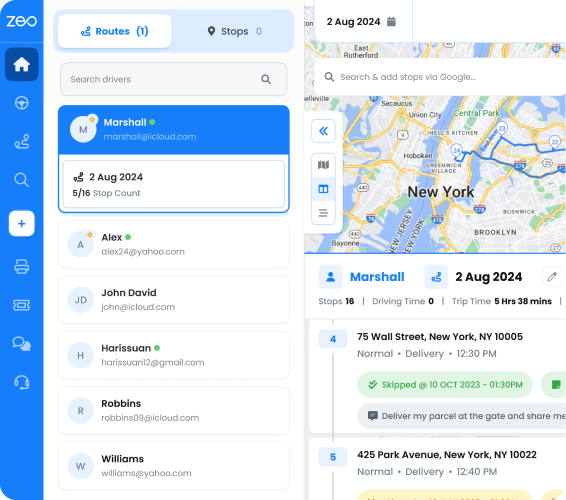
Kommunikationsprotokoll
Upprätta tydlig kommunikation mellan personal, dispatch och kunder:
- Arbetsplatser rapporterar åtkomstproblem omedelbart
- Dispatch ger alternativa instruktioner inom 10 minuter
- Kunder får uppdaterade ankomsttider automatiskt
- Alla ändringar dokumenteras för framtida planering
GPS-spårning i realtid möjliggör dessa kommunikationsprotokoll genom att tillhandahålla korrekta platsdata och beräknade ankomsttider under hela dagen.
Hantering av flera arbetslagsområden: Lastbalansering och kapacitetsoptimering
Att hantera flera fönsterputsarbetsteam kräver balans mellan arbetsbelastning, kompetens och geografisk effektivitet.
Principer för territoriumsdesign
Effektiva territorier balanserar flera faktorer:
- Lika intäktspotential för alla besättningar
- Rimliga reseavstånd mellan kunder
- Lämplig jobbmix (kommersiell vs. bostads)
- Besättningens färdigheter och utrustningskapacitet
Granska områdesgränserna kvartalsvis allt eftersom din kundbas växer och förändras.
Färdighetsbaserad uppgift
Olika jobb kräver olika expertisnivåer. Kommersiella arbeten i höghus behöver erfarna medarbetare med specialutrustning, medan städning på bottenvåningar i bostäder kan hantera nyare medarbetare.
Matcha besättningens kapacitet med arbetskraven genom systematisk tilldelning. Avancerade ruttoptimeringsplattformar använder kompetensbaserad förartilldelning för att säkerställa att rätt besättning automatiskt tilldelas lämpliga jobb.
Kapacitetsplanering
Spåra faktiska slutförandetider för att förbättra schemaläggningens noggrannhet. Nya fönsterputsare kan behöva 45 minuter för ett jobb som veteraner slutför på 30 minuter.
Ta hänsyn till dessa skillnader när du tilldelar dagliga scheman. Överbelastning av oerfarna arbetslag leder till stressigt arbete, kundklagomål och säkerhetsproblem.
Cross-Training och backup-täckning
Utbilda personal för att hantera flera olika typer av områden så att ni kan justera tilldelningar när teammedlemmar är sjuka, på semester eller har problem med utrustningen.
Upprätthåll detaljerad ruttdokumentation så att reservpersonal kan betjäna okända territorier utan förvirring eller förseningar.
Lastbalanseringsstrategier
Övervaka dagliga slutförandetider för alla arbetslag. Om ett team konsekvent slutar tidigt medan ett annat arbetar övertid, omfördela områden eller arbetstilldelningar.
Använd historiska data för att identifiera mönster. Vissa områden kan ha mer komplexa jobb som kräver längre slutförandetider, medan andra erbjuder snabba och effektiva städningar.
Ruttoptimering med flera stopp Tekniker hjälper till att säkerställa balanserade arbetsbelastningar över alla besättningar samtidigt som den geografiska effektiviteten bibehålls.
ROI-mätning: Spåra viktiga mätvärden för att maximera din framgång med ruttoptimering
Att mäta framgången med ruttoptimering kräver att man spårar specifika mätvärden som direkt påverkar lönsamheten.
Primära effektivitetsmått
Följ dessa kärnmätningar varje vecka:
- Genomsnittliga dagliga mil per besättning
- Utförda jobb per arbetslag per dag
- Körtid som procentandel av total arbetstid
- Bränslekostnader per utfört jobb
- Andel ankomster i tid
Intäktspåverkansmått
Koppla routingeffektivitet till ekonomiska resultat:
- Intäkt per besättning per dag
- Förbättring av vinstmarginalen
- Behållningsgrad för kunder
- Möjlighet att acceptera ytterligare jobb utan att lägga till personalstyrkor
Företag som implementerar systematisk ruttoptimering ser vanligtvis en förbättring på 20–30 % i den dagliga kapaciteten, enligt studier av flotthantering.
Indikatorer för kundnöjdhet
Effektiv routing förbättrar kundupplevelsen:
- Minskade sena ankomster och avbokningar
- Mer konsekvent servicetidpunkt
- Förbättrade besättningspunktlighetspoäng
- Färre kundklagomål om schemaläggning
Genomförande strategier för kundbevarande tillsammans med ruttoptimering skapar det sammansatta fördelar för långsiktig affärstillväxt.
Driftskostnadsbesparingar
Dokumentspecifika kostnadsminskningar:
- Minskning av bränslekostnader (mål 15–25 % minskning)
- Eliminering av övertidsersättning
- Minskade fordonsunderhållskostnader med färre mil
- Försäkringsbesparingar från förbättrade säkerhetsresultat
Besättningens prestationsstatistik
Nöjda, effektiva arbetslag levererar bättre resultat:
- Arbetsslutstider per arbetslag och individ
- Antal säkerhetsincidenter
- Medarbetarnöjdhetspoäng
- Omsättningsgrad och förbättring av personalomsättning
Sätt månatliga mål för varje mätvärde och granska framstegen med teamledare. Dela framgångsrika förbättringar för att bibehålla momentum och identifiera ytterligare optimeringsmöjligheter.
Benchmark mot industristandarder
Forskning visar att välskötta tjänsteföretag uppnår:
- 75%+ av den dagliga tiden läggs på fakturerbart arbete jämfört med resor
- Kundlojalitet över 85 %
- Besättningsutnyttjandegrad på 80%+ under arbetstid
Jämför dina mätvärden med dessa riktmärken för att identifiera förbättringsmöjligheter och validera dina optimeringsinsatser.
Efter DOT:s säkerhetsriktlinjer för kommersiella fordon samtidigt som optimering av rutter säkerställer efterlevnad tillsammans med effektivitetsförbättringar.
Vanliga frågor om partihandel med mat och dryck
F: Hur mycket tid kan ruttoptimering spara fönsterputsningspersonal dagligen?
Välplanerade rutter sparar vanligtvis fönsterputsningspersonal 2–3 timmar per dag jämfört med manuell planering. Zeo Route Planners AI-drivna optimering sparar specifikt personal 2+ timmar dagligen genom att eliminera sicksackmönster och optimera stoppsekvenser baserat på tidsfönster och jobbtid.
F: Vad är den största utmaningen med att schemalägga fönsterputsning för kommersiella jämfört med privata bostäder?
Kommersiella konton kräver strikta tidsfönster för att undvika störningar i affärsverksamheten, medan bostadsjobb erbjuder mer flexibilitet men oregelbundna efterfrågemönster. Nyckeln är att blockera liknande kommersiella konton tillsammans och använda bostadsjobb för att effektivt fylla luckor i rutterna.
F: Hur påverkar väderförseningar fönsterputsningsrutternas effektivitet?
Väderstörningar kan helt stoppa fönsterputsningen utvändigt, vilket kräver snabba omplaneringar för flera arbetslag. Smarta operatörer övervakar prognoser 3–5 dagar i förväg och har säkerhetslistor över jobb som endast gäller inomhus för att hålla arbetslagen produktiva under väderförseningar.
F: Vilka mätvärden bör fönsterputsningsföretag spåra för att mäta framgång med rutten?
Spåra genomsnittliga dagliga mil per arbetslag, utförda jobb per arbetslag per dag och körtid som andel av totala arbetstimmar. Välskötta serviceverksamheter uppnår 75%+ fakturerbar tid kontra restid och kundlojalitetsgrad över 85%.
F: Hur kan fönsterputsningsföretag balansera akuta jobb med schemalagda rutter?
Bibehåll en buffertkapacitet på 10–15 % i dagliga scheman och skapa snabba svarsprotokoll för högkvalitativa akuta arbeten. Zeo Route Planner hanterar dessa störningar med dynamiska ruttjusteringar och optimerar automatiskt återstående stopp när brådskande jobb uppstår, samtidigt som besättningens effektivitet bibehålls.
Ruttoptimering omvandlar fönsterputsningsverksamhet från reaktivt dagligt stressande till förutsägbara, lönsamma system. Kombinationen av systematisk planering, realtidsjusteringar och prestationsmätning skapar hållbara konkurrensfördelar som förstärks över tid.
Redo att förvandla dina fönsterputsningsrutter från kaotiska till systematiska? Starta din kostnadsfria 14-dagars provperiod av Zeo Route Planner för att optimera dina fönsterputsningsrutter och se omedelbara besparingar i restid och bränslekostnader.
Är du flottägare?
Vill du enkelt hantera dina förare och leveranser?
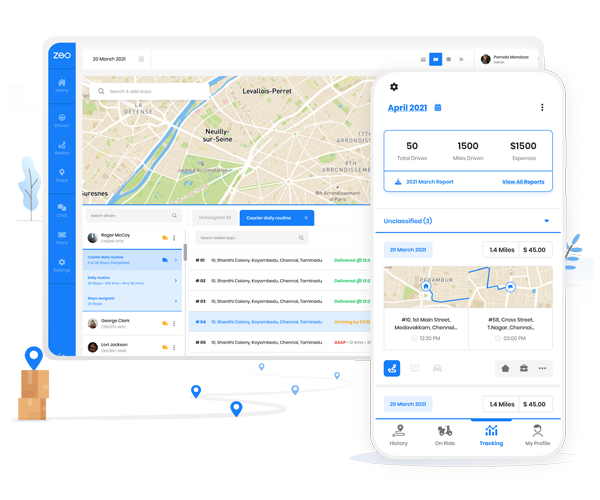
Utvidga ditt företag utan ansträngning med Zeo Routes Planner – optimera rutter och hantera flera förare med lätthet.

öka bränslebesparingarna
Spara 2 timmar på leveranser, varje dag!
Optimera rutter med vår algoritm, minska restiden och kostnaderna effektivt.
Kom igång gratis