


# Best Bringg Competitors 2026: Top Alternatives Compared
> TL; DR: The best Bringg competitors offer faster implementation, transparent pricing, and higher driver adoption rates for mid-market delivery operations. Software implementation studies show that platforms like Zeo Route Planner reduce setup time by 70% while delivering enterprise-grade Tối ưu hóa tuyến đường được hỗ trợ bởi AI, helping delivery teams save 2+ hours daily without complex IT requirements.
Bringg has established itself as a major player in delivery management software, but many operations managers are discovering it’s not always the right fit for their business. Whether you’re dealing with high costs, complex implementation, or driver adoption challenges, finding the right alternative can transform your delivery operations.
This comprehensive comparison examines the leading Bringg competitors based on real-world implementation data, total cost of ownership, and actual driver adoption rates. We’ll help you identify which platform matches your fleet size, operational complexity, and budget constraints.
Why Companies Are Looking Beyond Bringg: Common Pain Points and Limitations
Many delivery companies start evaluating Bringg alternatives for predictable reasons. Understanding these pain points helps clarify what to prioritize in your platform search.
Cost Escalation and Complex Pricing
Bringg’s enterprise pricing model can quickly become prohibitive as your fleet grows. Many mid-market companies report unexpected cost increases tied to API calls, additional features, or expanded driver counts.
The platform’s modular approach means core features often require separate add-ons. What appears affordable during initial demos can double or triple once you factor in essential integrations and advanced routing capabilities.
Implementation Complexity and Timeline Issues
Bringg implementations frequently take 3-6 months for mid-sized fleets, according to user reports on software review platforms. This extended timeline stems from complex configuration requirements and extensive customization needs.
Many operations managers underestimate the technical resources required. The platform assumes significant IT support for API integrations, custom workflows, and ongoing maintenance. Smaller companies without dedicated development teams struggle with this requirement.
Driver Adoption Challenges
Bringg’s driver app, while feature-rich, often overwhelms drivers accustomed to simpler interfaces. The learning curve can impact productivity during crucial transition periods.
Complex interfaces require extensive training sessions. Companies report needing multiple training rounds before drivers become comfortable with all features. This extended adoption period affects delivery performance and driver satisfaction.
Limited Flexibility for Unique Workflows
Bringg’s enterprise focus means it’s optimized for large, standardized operations. Companies with unique delivery requirements or specialized workflows often find the platform restrictive.
Customization options exist but typically require professional services or development work. This adds both cost and complexity to what should be straightforward operational adjustments.
Top 5 Bringg Alternatives: Feature Comparison and Best Use Cases
Each Bringg alternative serves different operational needs and fleet sizes. Here’s how the leading platforms compare across critical features and use cases.
Zeo Route Planner: Best for Mixed Fleet Operations
Zeo Route Planner delivers enterprise-grade route optimization without enterprise complexity. The platform serves 1.5M+ users across 150+ countries, offering both web-based fleet management and intuitive mobile apps.
Điểm mạnh chính:
- Tối ưu hóa lộ trình bằng trí tuệ nhân tạo giúp tiết kiệm hơn 2 giờ mỗi ngày cho mỗi tài xế.
- Seamless experience for both fleet managers and individual drivers
- Theo dõi GPS thời gian thực with live ETA updates
- Comprehensive proof of delivery with photo, signature, and notes
- Strong integration ecosystem including Shopify, WooCommerce, and HubSpot
Tốt nhất cho: Companies running 10-500 vehicles that need professional routing without extensive IT overhead. Particularly strong for mixed operations where some drivers work independently while others operate within managed fleets.
The driver app works intuitively for drivers of all technical skill levels. Fleet managers appreciate the web platform’s straightforward interface that doesn’t require specialized training to operate effectively.
Route4Me: Best for Large Fleet Standardization
Route4Me targets enterprise customers with extensive driver networks. The platform excels at standardized operations where consistent processes matter more than operational flexibility.
Điểm mạnh chính:
- Robust API for enterprise integrations
- Báo cáo và phân tích nâng cao
- Multi-depot routing capabilities
- Established customer base in logistics
Tốt nhất cho: Large delivery companies (500+ drivers) with standardized operations and dedicated IT teams. Works well for companies that prioritize detailed reporting over ease of use.
Onfleet: Best for Developer-Heavy Organizations
Onfleet positions itself as an API-first platform for companies building custom delivery experiences. The platform requires significant technical resources but offers extensive customization options.
Điểm mạnh chính:
- Tài liệu API toàn diện
- Strong developer tools and support
- Các tùy chọn tích hợp linh hoạt
- Thiết kế giao diện hiện đại
Tốt nhất cho: Companies with substantial development resources that need highly customized delivery workflows. Particularly valuable for businesses building customer-facing delivery experiences.
Workwave Route Manager: Best for Service-Heavy Operations
Workwave focuses on field service operations that include significant on-site work beyond simple deliveries. The platform includes features designed for longer service appointments and complex scheduling.
Điểm mạnh chính:
- Service appointment scheduling
- Công cụ giao tiếp khách hàng
- Mobile forms and documentation
- Integration with QuickBooks and other business tools
Tốt nhất cho: Companies where deliveries involve substantial service components, such as appliance delivery and installation or technical equipment deployment.
Routific: Best for Simple Delivery Operations
Routific targets straightforward delivery operations that don’t require extensive customization or complex features. The platform emphasizes ease of use over comprehensive functionality.
Điểm mạnh chính:
- Simple interface and quick setup
- Affordable pricing for small fleets
- Tối ưu hóa tuyến đường cơ bản
- Yêu cầu đào tạo tối thiểu
Tốt nhất cho: Small to medium delivery companies (under 100 drivers) with straightforward routing needs and limited technical resources.
Implementation Reality Check: Setup Times, Hidden Costs, and Driver Adoption Rates
Understanding real implementation timelines and costs prevents budget overruns and operational disruptions. Industry data reveals significant variations between platforms.
Actual Setup Timelines
Most platform vendors quote optimistic implementation timelines that don’t account for real-world complications. According to software implementation studies, delivery management platforms typically take 2-4x longer than initial estimates.
Typical Reality by Platform:
- Bringg: 3-6 months for full deployment
- Zeo Route Planner: 1-2 weeks for basic operations, 4-6 weeks for complex integrations
- Route4Me: 6-12 weeks depending on customization requirements
- Onfleet: 4-8 weeks with development resources, longer without
- Workwave: 6-10 weeks including service workflow setup
- Routific: 2-4 weeks for most implementations
These timelines assume dedicated project management and technical resources. Companies without IT support should expect longer implementation periods for more complex platforms.
Hidden Cost Categories
Platform pricing rarely includes all operational costs. Budget for these commonly overlooked expenses:
Những dịch vụ chuyên nghiệp: Most enterprise platforms require consulting for optimal setup. Budget $5,000-$25,000 for professional implementation services, depending on fleet size and complexity.
Integration Development: Custom integrations with existing systems often require development work. API integrations can cost $2,000-$10,000 per connection, depending on complexity.
Quản lý đào tạo và thay đổi: Driver training costs vary significantly based on platform complexity. Simple platforms require minimal training, while complex systems may need ongoing education programs.
Đang hỗ trợ: Enterprise platforms often charge separately for priority support, advanced reporting, or additional API usage beyond base limits.
Driver Adoption Metrics
Driver adoption rates directly impact delivery performance and operational efficiency. Platform complexity significantly affects how quickly drivers become productive.
Điểm chuẩn ngành:
- Simple interfaces: 85-95% adoption within 2 weeks
- Medium complexity: 70-85% adoption within 4 weeks
- Complex platforms: 60-75% adoption within 6-8 weeks
Zeo Route Planner achieves high adoption rates because drivers receive optimized routes directly on their phones through an intuitive app interface. The system works seamlessly for both independent drivers and fleet operations without requiring extensive training.
Companies report the most success with gradual rollouts that allow driver feedback and system adjustments before full deployment.
Small vs Large Fleet Considerations: Which Platform Fits Your Team Size
Fleet size fundamentally determines which platforms make operational and financial sense. Each size category has distinct requirements and constraints.
Small Fleets (5-50 Drivers)
Small operations need immediate value without extensive setup periods or high technical overhead. Cost per driver matters more than advanced enterprise features.
Priority Requirements:
- Quick implementation (under 4 weeks)
- Intuitive driver interfaces requiring minimal training
- Transparent pricing without usage-based surprises
- Direct customer support without account manager requirements
Best Platform Options: Zeo Route Planner and Routific work well for small fleets. Both offer straightforward pricing and quick setup without sacrificing essential routing and tracking features.
Small fleets should avoid platforms requiring significant customization or professional services. The implementation cost and complexity often exceed the operational benefits.
Medium Fleets (50-200 Drivers)
Medium fleets balance advanced features with operational simplicity. These companies often have some technical resources but can’t support complex enterprise implementations.
Priority Requirements:
- Scalable pricing that grows with the business
- Khả năng tích hợp với các hệ thống kinh doanh hiện có
- Advanced routing features for complex delivery requirements
- Reliable customer communication and tracking
Best Platform Options: Zeo Route Planner excels in this category, offering enterprise features through an accessible interface. The platform scales effectively without requiring dramatic operational changes.

tăng tiết kiệm nhiên liệu
Tiết kiệm 2 giờ khi giao hàng mỗi ngày!
Tối ưu hóa các tuyến đường bằng thuật toán của chúng tôi, giảm thời gian và chi phí đi lại một cách hiệu quả.
Bắt đầu miễn phí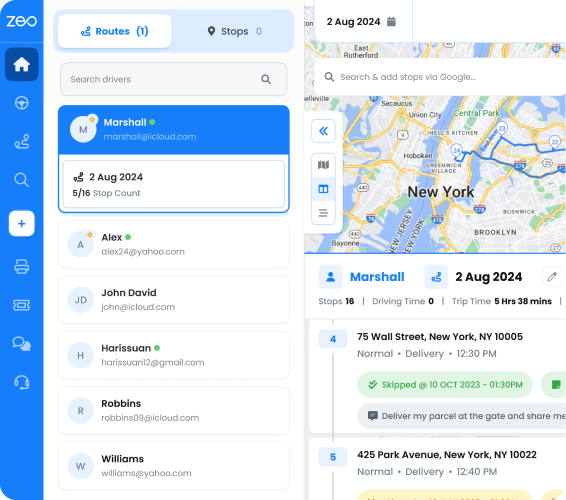
Medium fleets benefit from platforms that offer both web-based phần mềm quản lý đội xe and mobile apps that work for drivers with varying technical skills.
Large Fleets (200+ Drivers)
Large operations can justify more complex platforms and longer implementation timelines. These companies typically have dedicated IT resources and specific integration requirements.
Priority Requirements:
- Khả năng báo cáo và phân tích nâng cao
- Multi-depot and complex routing support
- Comprehensive API access for custom integrations
- Các tính năng bảo mật và tuân thủ cấp doanh nghiệp
Best Platform Options: Route4Me and Bringg serve large fleets well, assuming adequate IT support and implementation resources. Zeo Route Planner also scales to large operations while maintaining ease of use.
Large fleets should evaluate total cost of ownership over 3-5 years, including implementation, training, and ongoing support costs beyond base platform fees.
Integration and Mobile Experience: API Quality and Driver App Performance Analysis
Integration capabilities and mobile app quality determine long-term platform success. These factors affect both operational efficiency and driver satisfaction.
API Quality and Documentation
Platform APIs enable connections with existing business systems like CRM, accounting, and inventory management software. API quality varies significantly between platforms.
Tiêu chí đánh giá:
- Documentation completeness and accuracy
- Rate limiting and usage costs
- Webhook reliability for real-time updates
- Tính năng xác thực và bảo mật
Zeo Route Planner offers robust integrations with major e-commerce platforms like Shopify and WooCommerce, plus business tools through Zapier connections. The integration ecosystem covers most common business needs without custom development.
Enterprise platforms like Bringg and Route4Me provide comprehensive APIs but often require development resources to implement effectively. Consider your technical capacity when evaluating API-dependent features.
Mobile App Performance Factors
Driver app quality directly impacts delivery performance and driver retention. Poor mobile experiences create operational problems that extend far beyond technology issues.
Critical Performance Areas:
- App stability and crash rates
- Tối ưu hóa việc sử dụng pin
- Offline functionality for poor coverage areas
- Navigation accuracy and turn-by-turn directions
Thiết kế giao diện người dùng:
- Đường cong học tập cho người lái xe mới
- Information density and readability
- Touch targets sized for use with gloves
- Voice guidance and hands-free operation
Zeo’s mobile app works seamlessly for both individual drivers and fleet operations. Drivers receive optimized routes with clear navigation and customer details, while managers track progress through the web platform in real-time.
The best platforms balance comprehensive functionality with interface simplicity. Drivers need access to essential information without overwhelming complexity that slows down deliveries.
Tích hợp giao tiếp khách hàng
Modern delivery operations require seamless customer communication throughout the delivery process. Platform integration with SMS, email, and tracking systems affects customer satisfaction scores.
Essential Communication Features:
- Automated delivery window notifications
- Live tracking links with ETA updates
- Bằng chứng giao hàng confirmation with photo capture
- Exception handling for failed deliveries
Look for platforms that handle customer communication automatically without requiring manual intervention. This reduces driver workload while improving customer experience consistency.
Making the Switch: Migration Strategies and Risk Mitigation
Platform migration requires careful planning to avoid operational disruptions. Successful transitions balance speed with risk management.
Migration Timeline Planning
Most companies underestimate migration complexity and timeline requirements. Plan for a 6-12 week transition period even when switching to simpler platforms.
Phase 1 (Weeks 1-2): Foundation Setup
- Import driver and vehicle data
- Configure basic routing parameters
- Set up essential integrations
- Create user accounts and permissions
Phase 2 (Weeks 3-4): Pilot Testing
- Run parallel operations with small driver group
- Test customer communication workflows
- Validate integration accuracy
- Gather driver feedback and adjust settings
Phase 3 (Weeks 5-6): Gradual Rollout
- Expand to larger driver groups
- Monitor performance metrics closely
- Address adoption issues quickly
- Fine-tune routing and workflow settings
Phase 4 (Weeks 7-8): Full Migration
- Complete platform transition
- Decommission old system
- Conduct final training sessions
- Thiết lập các thủ tục hỗ trợ liên tục
Những cân nhắc về di chuyển dữ liệu
Preserving operational data during platform transitions prevents loss of valuable business intelligence. Different platforms offer varying data export and import capabilities.
Critical Data Categories:
- Historical route performance and timing data
- Customer addresses and delivery preferences
- Driver performance metrics and ratings
- Proof of delivery records and documentation
Export data from your current platform before beginning migration. Some platforms restrict data access after account cancellation, making historical analysis impossible.
Các chiến lược giảm thiểu rủi ro
Platform migrations always carry operational risks. Proper planning minimizes disruptions during transition periods.
Quản lý rủi ro kỹ thuật:
- Run parallel systems during pilot phases
- Maintain backup access to previous platform
- Test integrations thoroughly before full deployment
- Have rollback procedures documented and ready
Quản lý rủi ro hoạt động:
- Communicate changes clearly to all stakeholders
- Provide adequate training time for drivers and dispatchers
- Monitor key performance metrics during transition
- Address adoption issues immediately
Theo tiêu chuẩn Cục Thống kê lao động, hoạt động giao hàng that experience extended disruptions during platform transitions see productivity impacts lasting 3-6 months beyond implementation completion.
Change Management for Driver Adoption
Driver resistance to new technology can derail otherwise successful platform migrations. Address adoption challenges proactively rather than reactively.
Effective Adoption Strategies:
- Involve experienced drivers in platform evaluation
- Highlight specific benefits for driver daily workflows
- Provide hands-on training in realistic scenarios
- Address concerns immediately and transparently
The most successful migrations occur when drivers understand how new platforms improve their daily work experience. Focus on practical benefits like reduced driving time, clearer customer information, and simpler proof of delivery processes.
Companies switching to more intuitive platforms often see adoption rates above 90% within 4 weeks. Complex platforms may require 8-12 weeks for full adoption even with comprehensive training programs.
Thực hiện quyền phần mềm tối ưu hóa tuyến đường can transform your delivery operations, but choosing wisely based on your specific fleet requirements and technical capabilities is crucial for long-term success.
Câu Hỏi Thường Gặp
Q: What should I look for when evaluating Bringg competitors for my delivery business?
Focus on implementation timeline, total cost of ownership, and driver adoption rates. Look for platforms that offer transparent pricing, quick setup (under 6 weeks), and intuitive mobile apps that don’t require extensive training. Consider your fleet size and technical resources when evaluating API complexity and customization requirements.
Hỏi: Thông thường mất bao lâu để chuyển đổi từ Bringg sang nền tảng mới?
Most platform migrations require 6-12 weeks even when switching to simpler solutions. This includes 2 weeks for foundation setup, 2 weeks for pilot testing with a small driver group, 2 weeks for gradual rollout, and 2 weeks for full migration and system decommissioning. Companies without dedicated IT support should expect longer timelines.
Q: Which Bringg alternative works best for mid-sized fleets with 50-200 drivers?
Zeo Route Planner excels for medium fleets, offering enterprise-grade AI-powered route optimization through an accessible interface that scales effectively without requiring dramatic operational changes. The platform serves 1.5M+ users across 150+ countries and provides both web-based fleet management and mobile apps that work for drivers with varying technical skills.
Q: What are the hidden costs I should budget for when switching delivery management platforms?
Budget for professional services ($5,000-$25,000), custom integrations ($2,000-$10,000 per connection), driver training programs, and ongoing support fees beyond base platform costs. Many enterprise platforms charge separately for priority support, advanced reporting, or additional API usage beyond base limits.
Q: How do I ensure successful driver adoption when migrating to a new delivery platform?
Choose platforms with simple, intuitive interfaces and involve experienced drivers in the evaluation process. Highlight specific daily workflow benefits like reduced driving time and clearer customer information. Provide hands-on training in realistic scenarios and address concerns immediately. Gradual rollouts with driver feedback work better than full deployment.
-
Ready to experience enterprise-grade route optimization without enterprise complexity? Zeo Route Planner delivers the advanced features your growing delivery operation needs through an interface your drivers will actually want to use. Start your free trial today and discover why 1.5M+ users across 150+ countries choose Zeo for their routing and delivery management needs.
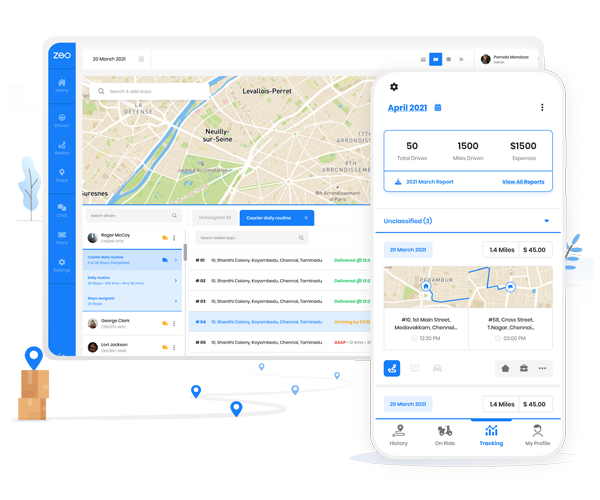
Bạn có phải là chủ sở hữu đội tàu?
Bạn muốn quản lý tài xế và việc giao hàng của mình một cách dễ dàng?
Phát triển doanh nghiệp của bạn một cách dễ dàng với Zeo Routes Planner – tối ưu hóa tuyến đường và quản lý nhiều tài xế một cách dễ dàng.
tăng tiết kiệm nhiên liệu
Tiết kiệm 2 giờ khi giao hàng mỗi ngày!
Tối ưu hóa các tuyến đường bằng thuật toán của chúng tôi, giảm thời gian và chi phí đi lại một cách hiệu quả.
Bắt đầu miễn phí