


# How to Optimize Adjuster Routes: Complete Guide to Cut Response Times by 40%
> TL; DR: Learning how to optimize adjuster routes can reduce drive time by 30-40% and help teams process 2-3 additional claims daily per adjuster. Insurance adjusters waste 40% of their day driving inefficiently between claim sites, creating cascading delays and missed SLA deadlines. Route optimization platforms like Zeo Route Planner solve this with AI-powered dynamic routing and skill-based assignment, helping insurance teams save 2+ hours daily per adjuster.
Field adjusters spend nearly 40% of their workday driving between claim sites, according to the Ynstitút foar fersekeringsynformaasje. For operations managers overseeing large adjuster teams, this translates to massive hidden costs and delayed claim processing.
Poor route planning doesn’t just waste fuel and time. It creates cascading problems that hurt your bottom line and customer relationships when people need you most. Understanding how to optimize adjuster routes effectively can transform both operational efficiency and customer satisfaction.
The Hidden Cost of Inefficient Adjuster Routes: Why Manual Planning Fails
Manual route planning creates a ripple effect of operational problems that most insurance companies underestimate.
Drive Time Dominates Productive Hours
The average adjuster handles 8-12 claims per day across territories spanning 50+ miles. Without optimized routing, they spend 3-4 hours driving instead of inspecting claims and serving customers.
This means you’re paying skilled professionals to sit in traffic when they should be evaluating property damage or processing urgent claims.
Missed SLA Deadlines Trigger Penalties
Insurance regulations require specific response times for different claim types. Emergency claims often need same-day response, while standard property claims typically require contact within 24-48 hours.
When adjusters zigzag across territories due to poor routing, they miss these deadlines. Late responses trigger regulatory penalties and damage customer relationships during already stressful situations.
Emergency Claims Disrupt Entire Schedules
Here’s a common scenario: Your adjuster starts their day with 10 scheduled property inspections across the city. At 2 PM, an emergency auto claim comes in that requires immediate response.
With manual planning, adding this emergency stop creates chaos. The adjuster either delays all remaining appointments or drives inefficient routes to accommodate the urgent claim.
Territory Overlap Wastes Resources
Multiple adjusters often crisscross the same areas on the same day because dispatchers lack visibility into optimal territory coverage. This overlap doubles drive time and creates unnecessary vehicle wear.
Insurance Adjuster Route Optimization: Unique Challenges and Solutions
Adjuster routing differs significantly from standard delivery optimization. Understanding these unique requirements helps you choose the right solution.
Claims Vary by Complexity and Duration
Unlike uniform delivery stops, adjuster appointments have wildly different time requirements. A simple auto fender-bender might take 30 minutes, while a complex property damage assessment could require 2-3 hours.
Your routing system must account for these variable appointment durations to create realistic schedules that don’t stack up delays throughout the day.
Skill-Based Assignment Requirements
Not all adjusters handle every claim type. Commercial property claims require different expertise than personal auto accidents. Some adjusters specialize in storm damage while others focus on liability cases.
Effective route optimization must factor in adjuster specializations when assigning claims, not just geographic proximity.
Time-Sensitive Priority Levels
Insurance claims operate on multiple priority tiers. Emergency claims (like water damage or accident scenes) need immediate response. Standard claims can be scheduled within normal timeframes.
Your routing solution needs to distinguish between these priority levels and dynamically adjust routes when urgent claims arise.
Customer Availability Windows
Policyholders aren’t always available for claim inspections. Many work during business hours and can only meet adjusters in early morning or evening windows.
Neffens J.D. Power’s insurance claims satisfaction study, scheduling flexibility significantly impacts customer satisfaction scores. Your routing must accommodate these constraints while maintaining efficiency.
Essential Features for Adjuster Route Planning Software
It rjocht rûte optimalisaasje software transforms adjuster productivity through specific capabilities designed for claims operations.
Dynamic Route Adjustments for Emergency Claims
When urgent claims arise mid-day, your system should automatically recalculate routes for affected adjusters. This means adding the emergency stop while minimizing disruption to remaining appointments.
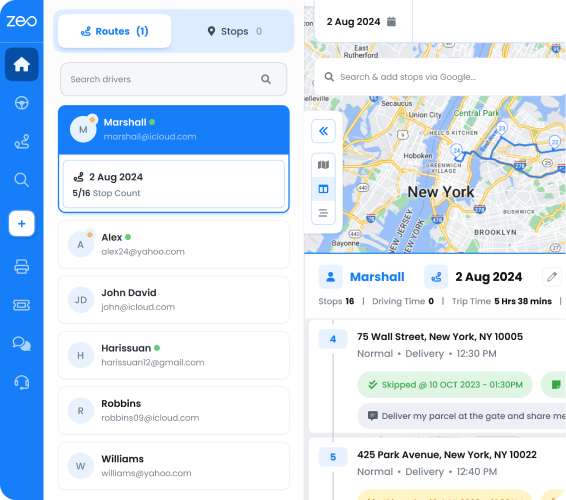
Zeo Route Planner handles dynamic route adjustments in real-time, letting dispatchers add urgent claims without manual replanning. The AI optimization automatically finds the most efficient insertion point and updates the adjuster’s route instantly.
Skill-Based Automatic Assignment
Your platform should automatically match claims to qualified adjusters based on expertise, location, and current workload. This prevents misassigned claims that create delays and quality issues.
Set up adjuster profiles with specializations (auto, property, commercial, storm damage) and let the system handle intelligent assignment based on claim types and territory coverage.
Tiidfinsterbehear
Adjusters need flexibility to accommodate customer schedules while maintaining route efficiency. Look for systems that optimize routes around customer availability windows without creating excessive drive time.
The platform should also account for realistic appointment durations based on claim complexity, preventing unrealistic scheduling that leads to constant delays.
Kommunikaasje en updates yn realtime
Field adjusters need instant communication with dispatch for status updates, additional claim details, and route changes. Customers also need accurate arrival notifications, especially for emergency claims.
Zeo's driver tracking software provides real-time GPS tracking with live ETA updates that automatically notify customers via SMS or email when adjusters are en route. This transparency improves satisfaction during stressful claim situations while keeping dispatch informed of field progress.
Bewiis fan tsjinstdokumintaasje
Claims processing requires thorough documentation for regulatory compliance and fraud prevention. Your routing solution should integrate seamlessly with evidence collection.
Digital signature capture, photo documentation, and detailed notes help adjusters maintain proper claim records while streamlining the inspection process. Zeo’s bewiis fan levering features enable comprehensive documentation directly within the mobile app.
How to Calculate ROI from Optimized Adjuster Routes
Measuring route optimization ROI helps justify technology investments and track performance improvements over time.
Direct Cost Savings Calculation
Start with your current adjuster utilization metrics. Track average daily drive time, miles traveled, and claims processed per adjuster before implementing optimization.
Here’s a sample calculation for a 25-adjuster team:
- Current average: 3.5 hours drive time per adjuster daily
- Optimization target: 30% reduction (2.5 hours drive time)
- Time savings: 1 hour per adjuster daily = 25 hours total
- At $35/hour average cost: $875 daily savings = $227,500 annually
Add fuel savings (typically 20-30% reduction) and vehicle maintenance cost reductions for complete direct savings calculation.
Productivity and Revenue Impact
Reduced drive time means more claims processed daily. If optimization helps each adjuster handle 2-3 additional claims per day, calculate the revenue impact based on your average claim processing fees.

fergrutsje fuel besparring
Probleemfrije leveringen en opheljen!
Optimalisearje rûtes mei ús algoritme, ferminderje reistiid en kosten effisjint.
Begjin fergees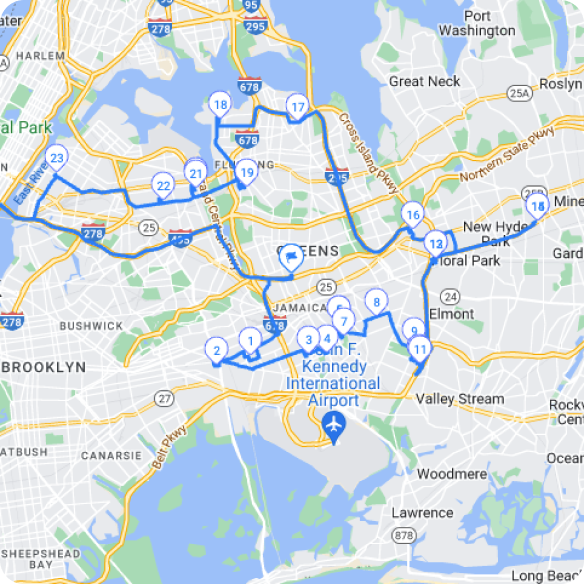
Factor in improved SLA compliance rates. Meeting response time requirements avoids regulatory penalties and maintains customer retention, both of which have measurable financial value.
Ferbetteringen fan klanttefredenheid
De Insurance Research Council found that claim satisfaction scores directly correlate with policyholder retention rates. Faster response times and accurate arrival notifications improve these scores measurably.
Track satisfaction survey results before and after implementing route optimization. Even small improvements in satisfaction scores translate to significant retention value over time.
Technology Implementation Costs
Include software subscription costs, training time, and any integration expenses in your ROI calculation. Most fleet management software platforms show positive ROI within 3-6 months for teams of 10+ adjusters.
Zeo Route Planner’s AI-powered optimization typically saves 2+ hours daily per adjuster, delivering measurable ROI from the first month of implementation.
Mobile-First Route Optimization for Field Adjusters
Modern adjusters need mobile-native tools that work seamlessly in the field, not clunky desktop systems that don’t translate to real-world use.
Route Delivery and Navigation
Adjusters should receive optimized routes directly on their mobile devices with integrated turn-by-turn navigation. The system should work with their preferred navigation app (Google Maps, Waze, or Apple Maps) rather than forcing them to learn new interfaces.
Real-time route updates push automatically to mobile devices when dispatchers add emergency claims or modify schedules. This eliminates confusion and ensures adjusters always have current information.
Claim Information Access
Mobile route apps should display comprehensive claim details for each stop, including policyholder contact information, claim numbers, damage descriptions, and any special instructions.
This information needs to be accessible offline since adjusters often work in areas with poor cellular coverage. The app should sync updates when connectivity returns.
Documentation and Communication Tools
Field adjusters need mobile tools for capturing photos, collecting signatures, and recording inspection notes directly within the routing app. This streamlines documentation while maintaining proper claim records.
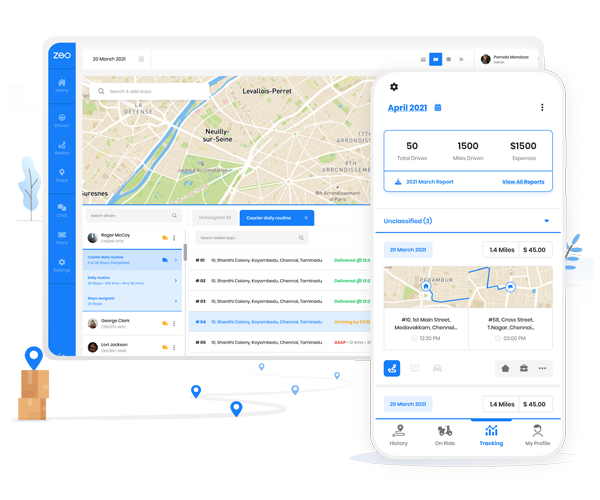
In the mobile-first approach, adjusters use the Zeo mobile app to receive route updates, navigate to claim locations, capture photos and signatures for claim documentation, and communicate real-time status to dispatchers through fjild tsjinst behear Funksjes.
Statusupdates en foarútgongstracking
Automatic status updates keep dispatchers informed of field progress without requiring constant check-ins. The system should track when adjusters arrive at claims, complete inspections, and move to the next location.
This visibility helps dispatchers manage customer expectations and identify potential delays before they impact service levels.
Best Practices for Multi-Day Route Planning and Emergency Response Integration
Insurance operations require both strategic planning for routine claims and tactical flexibility for emergency response situations.
Weekly Territory Planning
Plan adjuster territories weekly based on claim density, geographic coverage requirements, and individual specializations. This strategic view helps balance workloads and ensures adequate coverage across your service area.
Consider seasonal factors like storm patterns, holiday travel increases, or construction projects that might affect traffic patterns and claim volumes in specific areas.
Daily Route Optimization Within Strategic Framework
While maintaining weekly territory assignments, optimize daily routes based on new claims, customer availability, and priority changes. This hybrid approach provides stability while maximizing daily efficiency.
Start each day with route optimization that considers overnight claim submissions, priority escalations, and any schedule changes from the previous day’s activities.
Emergency Response Protocol Integration
Develop clear protocols for handling urgent claims that arise during normal operations. Identify which adjusters can handle emergency calls based on location, expertise, and current schedule flexibility.
Your routing system should support instant route recalculation when emergencies arise, automatically finding the nearest qualified adjuster and updating their schedule with minimal disruption.
Backup Coverage and Flexibility
Build flexibility into daily schedules for unexpected situations. This might mean scheduling 85-90% capacity rather than packing every minute, leaving room for urgent claims and unexpected delays.
Cross-train adjusters on multiple claim types when possible, providing more options for emergency assignment and reducing bottlenecks when specialists aren’t available.
Prestaasjemonitoring en trochgeande ferbettering
Track key metrics weekly: average response times by claim type, customer satisfaction scores, adjuster utilization rates, and territory coverage efficiency. Use this data to refine your routing strategies over time.
Regular performance reviews help identify adjusters who might need additional training, territories that need boundary adjustments, or processes that could be streamlined further.
Faak Stelde Fragen
Q: What percentage of an adjuster’s day is spent driving between claims?
Field adjusters spend approximately 40% of their workday driving between claim sites, according to industry data. This translates to 3-4 hours daily for adjusters handling 8-12 claims across territories spanning 50+ miles.
Q: How does poor route planning affect insurance claim response times?
Poor route planning causes adjusters to miss regulatory SLA deadlines, which often require same-day response for emergencies and 24-48 hour contact for standard property claims. Late responses trigger penalties and damage customer relationships during stressful situations.
Q: Can route optimization software handle emergency claims that arise mid-day?
Yes, modern route optimization platforms like Zeo Route Planner provide dynamic route adjustments that automatically recalculate routes when urgent claims arise, finding the most efficient insertion point without manual replanning while maintaining existing appointment schedules.
Q: What features should insurance companies look for in adjuster routing software?
Essential features include skill-based assignment matching adjusters to appropriate claim types, time window management for customer availability, real-time communication tools, and proof of service documentation with photo capture and digital signatures for compliance.
Q: How do you calculate ROI from optimized adjuster routes?
Calculate direct savings by tracking current drive time reduction (typically 30%), multiply by hourly costs, add fuel savings (20-30% reduction), and factor in productivity gains from processing 2-3 additional claims daily per adjuster.
Efficient adjuster routing transforms both operational costs and customer satisfaction during critical claim situations. The combination of strategic territory planning and tactical route optimization helps insurance companies serve customers faster while maximizing adjuster productivity.
Ready to transform your adjuster operations? Start a free trial to see how Zeo can optimize your adjuster routes and improve claim response times.
Binne jo in fleeteigner?
Wolle jo jo sjauffeurs en leveringen maklik beheare?
Groei jo bedriuw sûnder muoite mei Zeo Routes Planner - optimalisearje rûtes en beheare meardere sjauffeurs mei gemak.

fergrutsje fuel besparring
Besparje $ 200 op brânstof, alle moannen!
Optimalisearje rûtes mei ús algoritme, ferminderje reistiid en kosten effisjint.
Begjin fergees