



# How to Optimize Porta Potty Routes: Complete Guide to Cut Costs by 25%
> TL; DR: Optimize porta potty routes by using AI-powered software that considers vehicle capacity, service time windows, and geographic clustering to eliminate backtracking and reduce fuel waste. Companies typically achieve 20-30% fuel savings and serve 40% more customers daily. Route optimization tools like Zeo Route Planner address this with real-time GPS tracking and capacity-based routing, helping porta potty teams save 2+ hours daily.
Manual route planning for porta potty services costs more than you realize. Every inefficient route burns extra fuel, extends driver hours, and creates customer service headaches that ripple through your entire operation.
Smart porta potty companies are cutting fuel costs by 25% and reducing daily planning time from hours to minutes using route optimization technology. Here’s your complete guide to how to optimize porta potty routes for maximum profitability.
The Hidden Costs of Inefficient Porta Potty Routing: Why Manual Planning Kills Profitability
Your current routing method creates four major cost drains that eat into profits every day.
Fuel Waste from Backtracking
Manual routes send drivers zigzagging across town. A driver might service three units on the north side, drive 15 miles south for one pickup, then return north for afternoon cleanings. According to the Ofisi ea Lipalopalo tsa Lipalangwa, commercial vehicles waste an average of 20-30% of fuel due to inefficient routing.
Extended Labor Hours
Poor routes keep drivers on the road longer. Instead of completing 12-15 services per day, inefficient routing limits them to 8-10 stops. You’re paying overtime for problems that optimized routing solves.
Missed Service Windows
Construction sites expect morning deliveries before workers arrive. Event venues need units picked up immediately after events end. Manual scheduling struggles to respect these time constraints, leading to angry customers and lost contracts.
Tieho ea Karabelo ea Maemo a Tšohanyetso
When urgent requests come in, manually-planned routes can’t adapt quickly. You either send a driver out of sequence (wasting fuel) or delay the service (losing the customer).
A mid-sized porta potty company with 15 drivers typically wastes $3,000-5,000 monthly on these inefficiencies. Over a year, that’s $36,000-60,000 in preventable costs.
Complete Implementation Guide: How to Optimize Porta Potty Routes Step-by-Step
Transform your routing process with this step-by-step implementation guide.
Step 1: Inventory Your Service Types
List all service categories:
- Regular weekly cleanings
- Emergency pump-outs
- Event deliveries and pickups
- New installation deliveries
- Seasonal relocations
Each type has different time requirements and constraints that affect routing optimization.
Step 2: Map Your Vehicle Capacities
Document each truck’s specifications:
- Waste tank capacity (typically 1,500-3,000 gallons)
- Unit carrying capacity (2-8 porta potties)
- Pump truck vs. delivery truck capabilities
- Driver certifications and restrictions
Capacity constraints determine how many stops each vehicle can handle before requiring depot returns.
Step 3: Define Service Time Windows
Establish time constraints for different service types:
- Construction sites: 6 AM – 8 AM deliveries
- Office complexes: 9 AM – 3 PM cleanings
- Event venues: Post-event pickups within 24 hours
- Emergency services: 2-4 hour response time
Step 4: Input Historical Service Data
Gather three months of service records including:
- Customer addresses and GPS coordinates
- Makgetlo a tshebeletso (beke le beke, beke le beke habeli, kgwedi le kgwedi)
- Average service time per unit type
- Special access requirements or notes
This historical data trains optimization algorithms to create realistic route plans. Modern mokhanni latedisa software can automatically capture this information for future route improvements.
Zeo Route Planner automates this entire setup process by importing your customer list via Excel or CSV upload, then uses AI-powered optimization to create efficient routes in under 10 minutes.
Advanced Route Constraints: Handling Vehicle Capacity, Service Time Windows, and Driver Schedules
E fanoe software ea ho ntlafatsa tsela handles complex operational constraints that manual planning cannot manage effectively.
Vehicle Capacity Management
Different trucks serve different purposes in porta potty operations. Pump trucks handle cleanings and waste removal, while delivery trucks transport units to new locations.
Smart routing systems calculate optimal stop sequences based on waste tank capacity. A pump truck might service 15-20 units before requiring waste disposal, depending on tank size and recent cleaning history.
Route optimization also balances unit deliveries with truck carrying capacity. A truck carrying four units to an event can pick up two units from nearby locations on the return trip, maximizing vehicle utilization.
Dynamic Time Window Optimization
Construction customers often request 7 AM deliveries before workers arrive. Event venues need immediate post-event pickups. Medical facilities require cleaning during specific maintenance windows following OSHA construction site requirements.
Advanced routing systems layer these time constraints to create feasible schedules. The system automatically identifies conflicts and suggests alternatives when manual scheduling would create impossible routes.
Driver Skill and Territory Assignment
Certain services require specific skills or certifications. Hazardous waste sites need certified drivers. VIP events require experienced, uniformed technicians. Large construction jobs need drivers familiar with heavy equipment areas.
Zeo’s skill-based driver assignment matches the right technician to each job while optimizing travel efficiency. Your technicians receive optimized routes directly on their phones via the Zeo app, complete with turn-by-turn navigation and customer details.
Emergency Service Integration
Urgent requests disrupt planned routes. Traditional scheduling requires manual replanning that wastes time and creates errors.
Dynamic route optimization inserts emergency calls into existing routes with minimal disruption. The system identifies which driver can handle the emergency with the least travel time and schedule impact.
Seasonal Route Optimization: Adapting to Weather, Events, and Peak Demand Periods
Porta potty demand fluctuates dramatically based on weather, events, and seasonal patterns. Your routing strategy must adapt accordingly, requiring robust software ea tsamaiso ea likepe to handle these variations.
Weather-Based Route Adjustments
Heavy rain increases pump-out frequency at outdoor job sites. Snow limits access to certain locations. Extreme heat requires additional cleaning services for heavily-used units.
Monitor weather forecasts and adjust route density accordingly. During rainy seasons, reduce the number of stops per pump truck to account for fuller waste tanks. In snow conditions, prioritize accessible locations and reschedule difficult-access sites.
Event Season Planning

eketsa poloko ea mafura
Boloka Lihora tse 2 ho Delivery, Letsatsi le Letsatsi!
Ntlafatsa litsela ka algorithm ea rona, fokotsa nako ea maeto le litšenyehelo ka nepo.
Qala ho mahala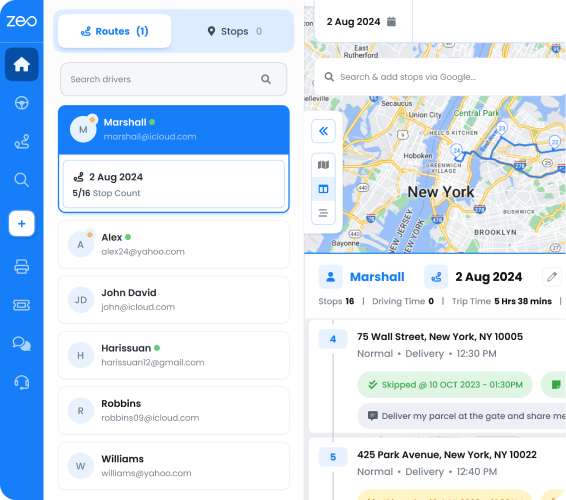
Wedding season, festival schedules, and sporting events create predictable demand spikes. According to the Lekhotla la Indasteri ea Ketsahalo, outdoor events increase by 40% during peak season months (May through September).
Build event-specific route templates that account for:
- Delivery timing before events start
- Pickup scheduling after events end
- Increased cleaning frequency during multi-day events
- Traffic congestion around popular venues
Peak Demand Capacity Planning
Construction activity peaks in spring and summer, increasing regular service demand. Plan route capacity to handle 20-30% more stops during peak months without extending driver hours excessively.
Consider temporary route modifications:
- Earlier start times to complete more stops
- Lunch-time routes for high-priority customers
- Weekend service options for premium accounts
Route optimization systems adapt to these seasonal patterns by analyzing historical demand data and suggesting capacity adjustments before peak periods arrive.
Essential Metrics to Track: Measuring Route Optimization Success with Real Numbers
Track specific metrics to quantify routing improvements and identify areas for continued optimization.
Fuel Efficiency Metrics
Monitor fuel consumption per mile and per stop served. Well-optimized routes should achieve:
- 15-25% reduction in daily mileage
- 20-30% improvement in fuel cost per customer served
- Decreased deadhead miles (travel without serving customers)
Driver Productivity Measurements
Track stops completed per driver per day. Optimized routing typically increases daily capacity by:
- 20-40% more customers served per route
- 1-2 hours reduction in daily drive time
- Improved on-time performance above 95%
Lintlafatso tsa Litšebeletso tsa Bareki
Measure customer satisfaction indicators:
- Reduced service window violations
- Faster emergency response times (target: under 2 hours)
- Decreased customer complaints about service timing
Operational Cost Tracking
Calculate total cost per customer served including:
- Fuel costs per route
- Driver labor hours per customer
- Vehicle maintenance per mile driven
Digital bopaki ba phano systems help track service completion times and identify bottlenecks that impact these metrics.
Zeo Route Planner’s analytics dashboard automatically tracks these metrics, showing exactly how optimization saves 2+ hours daily per driver while reducing operational costs.
ROI Calculator: Quantifying Savings from Optimized Porta Potty Routes
Calculate your potential savings using industry-standard benchmarks for route optimization improvements.
Monthly Savings Calculation
Start with your current operational numbers:
Poloko ea Mafura
- Current monthly fuel cost: $____
- Expected 25% reduction: $____ × 0.25 = $____
Poloko ea Mosebetsi
- Average driver hourly wage: $____
- Hours saved per driver daily: 2 hours
- Monthly labor savings: $____ × 2 hours × 22 days × [number of drivers]
Increased Revenue Capacity
- Additional customers served per day: ____
- Average service revenue: $____
- Additional monthly revenue: $____ × [additional customers] × 22 days
Example: 10-Driver Operation
A porta potty company with 10 drivers typically sees these monthly improvements:
- Fuel savings: $1,250 (25% of $5,000 fuel budget)
- Labor savings: $8,800 (2 hours × $20/hour × 22 days × 10 drivers)
- Revenue increase: $6,600 (15 additional customers × $30 × 22 days)
- Melemo eohle ea khoeli le khoeli: $16,650
- Annual benefit: $199,800
Nako ea ho lefa
Quality route optimization software costs $50-100 per driver monthly. For a 10-driver operation:
- Theko ea software ea khoeli le khoeli: $750
- Poloko ea khoeli le khoeli: $16,650
- Payback period: Less than 2 weeks
The ROI becomes even more compelling when factoring in reduced vehicle maintenance, improved customer retention, and enhanced service reliability.
Melemo e Eketsehileng
Beyond direct cost savings, route optimization provides:
- Reduced driver stress and turnover
- Lintlha tse ntlafalitsoeng tsa khotsofalo ea bareki
- Better capacity planning for business growth
- Enhanced professional image and reliability
Smart porta potty companies that implement route optimization see results within the first week. Drivers complete routes faster, customers receive more reliable service, and profit margins improve immediately. Modern tsamaiso ea litšila operations rely on these technologies to maintain competitive advantages.
Lipotso Asked hangata
Q: How much fuel can route optimization save for porta potty services?
Well-optimized porta potty routes typically reduce fuel consumption by 20-30% compared to manual planning. This translates to savings of $1,000-3,000 monthly for mid-sized operations with 10-15 trucks. Zeo Route Planner’s AI-powered optimization achieves these savings by eliminating backtracking and creating efficient stop sequences based on vehicle capacity and service time windows.
Q: What vehicle capacity factors affect porta potty route planning?
Pump trucks must consider waste tank capacity (1,500-3,000 gallons) and the number of units they can service before requiring disposal. Delivery trucks are limited by how many porta potties they can transport (typically 2-8 units). Service time also varies – cleanings take 5-15 minutes while deliveries require 10-20 minutes including positioning.
Q: How do you handle emergency porta potty requests without disrupting planned routes?
Dynamic route optimization systems can insert urgent requests into existing routes with minimal disruption. The key is identifying which driver can respond fastest while maintaining scheduled commitments. Most emergency services should be addressed within 2-4 hours during business hours.
Q: What time windows are most important for porta potty services?
Construction sites typically require 6 AM – 8 AM deliveries before workers arrive, while office complexes prefer 9 AM – 3 PM cleanings during low-traffic periods. Event venues need immediate post-event pickups, usually within 24 hours. These time constraints significantly impact route optimization and must be factored into planning algorithms.
Q: How do seasonal patterns affect porta potty route efficiency?
Demand increases 40% during peak construction season (May-September), requiring 20-30% more route capacity. Weather also impacts frequency – heavy rain increases pump-out needs while snow limits site access. Smart operations adjust route density and scheduling 2-3 weeks before seasonal peaks to maintain service quality without extending driver hours.
Ready to transform your porta potty routing from chaos to optimization? Start your free 14-day trial of Zeo Route Planner and optimize your first week of porta potty routes in under 10 minutes.
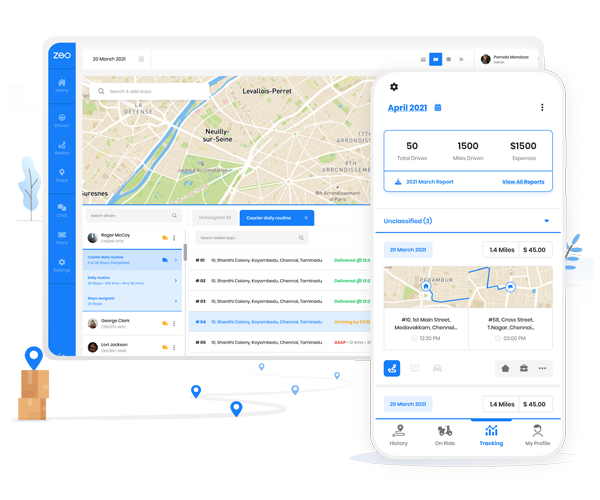
Na u mong'a likepe?
U batla ho laola bakhanni ba hau le ho tsamaisa thepa habonolo?
Holisa khoebo ea hau ntle le matla ka Zeo Routes Planner - ntlafatsa litsela 'me u tsamaise bakhanni ba bangata habonolo.
eketsa poloko ea mafura
Boloka Lihora tse 2 ho Delivery, Letsatsi le Letsatsi!
Ntlafatsa litsela ka algorithm ea rona, fokotsa nako ea maeto le litšenyehelo ka nepo.
Qala ho mahala