


# Construction Site Portable Toilet Logistics Guide 2026
> TL; DR: Effective construction site portable toilet logistics requires dynamic route optimization to handle unpredictable schedules, difficult terrain, and strict OSHA compliance requirements. Smart logistics optimization reduces operational costs by 25% while improving service reliability through better route planning and real-time adjustments. Route optimization tools like Zeo Route Planner address these challenges with AI-powered route optimization and dynamic route adjustments, helping portable toilet rental teams save 2+ hours daily.
Managing portable toilet logistics for construction sites isn’t just about dropping off units and picking them up. It’s a complex operation involving unpredictable schedules, difficult terrain, and demanding contractors who need reliable service to keep their projects compliant and workers satisfied.
For portable toilet rental companies managing 5-20 drivers across multiple construction sites, inefficient construction site portable toilet logistics can drain profits through wasted fuel, overtime costs, and customer complaints. The good news? Smart logistics optimization can reduce operational costs by 25% while improving service reliability.
The Hidden Complexity of Construction Site Portable Toilet Operations
Construction site portable toilet logistics involves far more variables than typical delivery operations. Unlike residential or commercial routes, construction sites change daily. A road that existed yesterday might be blocked today. Site access points shift as projects progress. Weather delays can push entire schedules back by hours or days.
Ho ea ka Bureau of Labor Statistics construction data, construction projects experience schedule changes 67% of the time due to weather, material delays, or permit issues. This unpredictability directly impacts your service routes.
Your drivers face unique challenges at construction sites. They need to navigate around heavy equipment, coordinate with site supervisors, and often wait for access clearance. A simple 10-minute service call can stretch to 45 minutes when a concrete truck blocks the only access road.
Site compliance adds another layer of complexity. OSHA construction safety requirements mandate one portable toilet for every 20 workers, with more frequent servicing on larger projects. Missing service windows doesn’t just frustrate contractors – it can shut down their operations and damage your reputation.
The financial impact compounds quickly. Inefficient routes mean drivers spend more time driving than servicing. Fuel costs increase. Overtime hours accumulate. Customer satisfaction drops when service windows are missed, leading to contract cancellations and negative reviews that hurt future business development.
Construction Site Access Challenges and Route Planning Solutions
Construction sites present unique access challenges that standard route planning doesn’t account for. Gate access is often restricted to specific hours. Heavy equipment can block service areas without notice. Mud, debris, and temporary barriers create navigation hazards that GPS systems don’t recognize.
Traditional route planning treats all stops equally, but construction sites require specialized considerations for effective construction site portable toilet logistics. Morning deliveries might conflict with concrete pours. Afternoon servicing could interfere with shift changes. Weekend access might require special permissions or keys from site supervisors.
Time windows become critical for construction site logistics. Contractors often specify narrow service windows to minimize disruption to their operations. A residential route might allow flexibility throughout the day, but construction sites typically demand precision timing.
Vehicle capacity constraints also differ for construction routes. Sites in remote locations might require larger waste tank capacity to reduce service frequency. Urban construction sites with limited access might need smaller vehicles that can navigate tight spaces.
Driver skill requirements vary significantly between construction sites. Some locations require specific safety certifications. Others need drivers comfortable operating in active construction zones with heavy machinery moving constantly.
mokhoa oa kajeno oa software ea ho ntlafatsa tsela addresses these challenges through intelligent planning algorithms. Zeo Route Planner’s mosebetsi oa ho khanna o thehiloeng tsebong ensures only qualified drivers handle specialized construction sites, while time window constraints maintain precise scheduling that keeps contractors satisfied.
Real-Time Scheduling and Dynamic Route Optimization for Service Calls
Construction schedules change constantly, and your logistics must adapt in real-time. A site shutdown due to weather can free up access for emergency servicing. Equipment breakdowns might delay scheduled deliveries by hours. Last-minute permit approvals can suddenly require immediate unit placement.
Static route planning fails in dynamic construction environments. By the time drivers start their routes, priorities have already shifted. Emergency service calls come in throughout the day, disrupting carefully planned schedules and creating inefficient driving patterns.
Dynamic optimization solves this problem by continuously adjusting routes based on real-time conditions. When a high-priority construction client calls for emergency service, the system automatically determines which driver can respond fastest while minimizing disruption to other scheduled stops.
Real-time communication becomes essential for managing these dynamic schedules. Drivers need instant updates when priorities change. Dispatchers need visibility into driver locations and estimated arrival times. Customers need accurate notifications when service times shift due to site conditions.
GPS tracking enables this level of coordination by providing live location data for all vehicles. Software latedisa mokhanni allows dispatchers to see which drivers are closest to emergency calls and make informed decisions about route adjustments without extensive phone tag.
Zeo’s dynamic route adjustment capability handles these changes automatically. When emergency calls disrupt planned routes, the AI-powered optimization recalculates the most efficient path for all remaining stops, saving an average of 2+ hours daily per driver while maintaining service commitments.
Driver Safety and Efficiency in Construction Zone Logistics
Construction sites present significant safety hazards that impact both driver wellbeing and operational efficiency. According to OSHA construction safety requirements, construction sites have injury rates 2.5 times higher than general industry averages. Your drivers need proper preparation and tools to work safely in these environments.
Site-specific safety requirements vary dramatically between construction projects. Some require hard hats and safety vests. Others demand steel-toed boots and hearing protection. High-rise construction sites might require fall protection training. Chemical plants under construction need hazmat certifications.
Vehicle positioning becomes a safety consideration at construction sites. Parking in equipment travel lanes creates hazards. Positioning service vehicles near active work areas exposes drivers to falling objects or equipment strikes. Poor visibility areas increase backing accidents and pedestrian conflicts.
Communication with site personnel protects both drivers and construction workers. Many sites require check-in procedures with site supervisors before beginning work. Some locations use radio communications to coordinate vehicle movements with equipment operators.
Pre-shift planning improves both safety and efficiency. Drivers who understand site layouts, access procedures, and safety requirements complete jobs faster with fewer incidents. Fleet management strategies that consider site-specific constraints reduce the time drivers spend in hazardous environments.
Documentation requirements for construction sites often exceed standard service records. Some projects require photo documentation of unit placement and condition. Others need detailed service reports for compliance auditing. Digital bopaki ba phano capabilities streamline these requirements while ensuring accuracy.
Mobile technology enhances both safety and efficiency by putting essential information at drivers’ fingertips. They can access site contact information, safety requirements, and service history without paperwork that becomes unreadable in construction environments.
Cost Impact Analysis: Optimized vs Traditional Logistics Operations
The financial difference between optimized and traditional portable toilet logistics is significant. A typical 15-driver operation using basic route planning spends approximately 35% more on fuel, labor, and vehicle maintenance compared to companies using intelligent optimization.

eketsa poloko ea mafura
Boloka $200 ka mafura, Khoeli le Khoeli!
Ntlafatsa litsela ka algorithm ea rona, fokotsa nako ea maeto le litšenyehelo ka nepo.
Qala ho mahala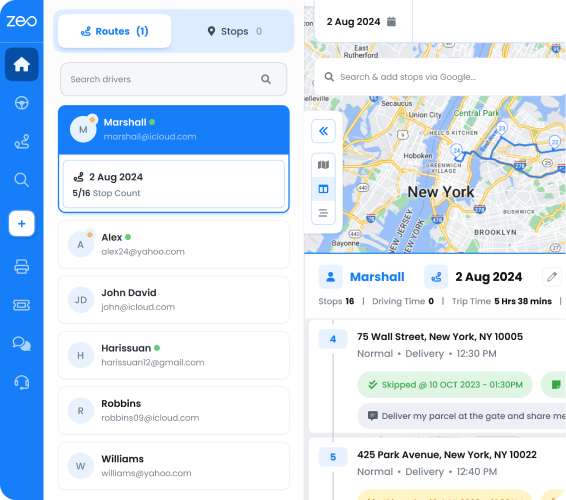
Traditional routing often creates inefficient driving patterns. Drivers crisscross service territories multiple times per day, visiting nearby sites during different time periods instead of clustering stops geographically. This approach can add 60-90 minutes of unnecessary driving per route.
Fuel costs represent the most visible expense increase. The American Trucking Association fuel efficiency data shows that commercial vehicles average 7.2 miles per gallon. With construction sites often located in remote areas, extra driving time translates directly to fuel waste. A company with 15 drivers spending an extra hour daily on inefficient routing burns approximately 125 additional gallons per week.
Labor costs compound the problem. Overtime hours accumulate when drivers can’t complete routes within scheduled time. Emergency service calls become expensive when the nearest available driver is 45 minutes away instead of 15 minutes with optimized positioning.
Vehicle maintenance increases with excessive mileage and stop-and-go driving patterns typical of inefficient routing. Brake wear, tire replacement, and engine service intervals arrive sooner, creating unexpected maintenance expenses that impact profitability.
Customer retention suffers under traditional logistics approaches. Missed service windows, delayed emergency responses, and inconsistent service quality drive contractors to seek more reliable providers. Acquiring new customers costs 5-7 times more than retaining existing ones, making customer satisfaction essential for profitability.
Optimized logistics delivers measurable improvements across all cost categories. Companies implementing intelligent software ea ho ntlafatsa tsela typically reduce total logistics costs by 20-30% within 90 days while improving service quality and customer satisfaction scores.
Technology Integration: Connecting Construction Timelines with Sanitation Logistics
Modern construction projects rely on integrated technology platforms for project management, scheduling, and coordination. Your portable toilet logistics should connect seamlessly with these systems to maximize efficiency and minimize communication gaps.
Construction project management software often contains scheduling information that impacts sanitation service requirements. Concrete pours require additional units due to increased worker presence. Site shutdowns eliminate service needs temporarily. Phase transitions might require unit relocations within the same project.
Customer communication becomes more sophisticated when integrated with project timelines. Instead of generic service notifications, you can provide context-aware updates that acknowledge construction schedules and demonstrate understanding of project needs.
Many construction companies use digital platforms for vendor coordination. Direct integration with these systems eliminates manual communication steps, reduces scheduling errors, and provides automatic documentation for compliance auditing.
Real-time tracking integration benefits both your operations and construction project management. Site supervisors can see when service vehicles are approaching, allowing them to coordinate access and minimize disruption to ongoing work activities.
Automated scheduling adjustments based on construction project updates eliminate reactive service calls. When weather delays push project timelines, your service schedules adjust automatically to match actual site activity rather than original plans.
While operations managers use Zeo’s web platform to plan optimized routes that account for construction site complexities and time windows, drivers use the mobile app to receive real-time route updates, navigate safely to active construction sites, and capture delivery confirmations with photos that document proper unit placement and site conditions.
The integration capabilities extend beyond internal operations. Zeo’s API connections through Zapier link with thousands of business applications, enabling automatic data flow between construction project management platforms and your route optimization system.
Lipotso Asked hangata
Q: How often should portable toilets be serviced at construction sites?
OSHA requires portable toilets to be serviced weekly at minimum, but high-traffic construction sites with 20+ workers typically need twice-weekly service. Sites with concrete work or dusty conditions may require more frequent cleaning to maintain sanitary conditions and worker satisfaction.
Q: What are the biggest challenges in construction site portable toilet logistics?
The main challenges include unpredictable site access due to equipment blocking roads, frequent schedule changes from weather delays, and coordinating with multiple site supervisors across different projects. Route optimization software like Zeo Route Planner addresses these issues with dynamic route adjustments and real-time GPS tracking, helping logistics teams save 2+ hours daily.
Q: How do weather delays impact portable toilet service schedules?
Construction projects experience schedule changes 67% of the time due to weather, which directly affects service routes and timing. Rain can make sites inaccessible, while extreme heat increases service frequency needs due to higher usage and faster waste accumulation.
Q: What safety certifications do drivers need for construction site work?
Driver requirements vary by site but typically include hard hats, safety vests, steel-toed boots, and sometimes specialized training like OSHA 10-hour certification. Zeo’s skill-based driver assignment feature ensures only qualified drivers are assigned to sites requiring specific safety credentials, reducing liability and improving service reliability.
Q: How can companies reduce fuel costs in portable toilet logistics?
Fuel costs can be reduced by 20-30% through intelligent route clustering, avoiding unnecessary backtracking, and optimizing vehicle positioning for emergency calls. Companies using route optimization typically save 60-90 minutes of driving time per route compared to manual planning methods.
Start your free trial of Zeo Route Planner to see how much time and fuel you can save on your construction site logistics routes while improving service reliability and customer satisfaction.
Na u mong'a likepe?
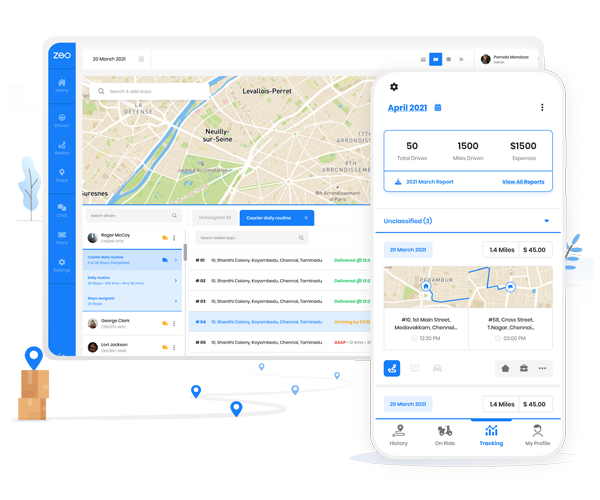
U batla ho laola bakhanni ba hau le ho tsamaisa thepa habonolo?
Holisa khoebo ea hau ntle le matla ka Zeo Routes Planner - ntlafatsa litsela 'me u tsamaise bakhanni ba bangata habonolo.
eketsa poloko ea mafura
Boloka $200 ka mafura, Khoeli le Khoeli!
Ntlafatsa litsela ka algorithm ea rona, fokotsa nako ea maeto le litšenyehelo ka nepo.
Qala ho mahala