



# The Complete Guide to Alarm Installer Route Optimization Tools in 2024
> TL; DR: Alarm installer route optimization tools eliminate manual planning waste by automatically assigning jobs based on technician certifications, security clearances, and real-time priorities. Manual route planning costs alarm installation companies $15,000+ annually per dispatcher in planning time alone. Tools like Zeo Route Planner address this with tugasan pemandu berasaskan kemahiran and AI-powered optimization, helping security teams save 2+ hours daily.
Managing route schedules for alarm installation teams is one of the most complex challenges in the security industry. Between coordinating technician certifications, handling emergency calls, and meeting strict customer time windows, manual route planning often breaks down completely.
This guide covers everything alarm installation company owners need to know about alarm installer route optimization tools. You’ll learn which features matter most, how to calculate ROI, and get a step-by-step implementation plan for your teams.
Why Standard Route Planning Fails for Alarm Installation Companies
Most alarm installation companies start with basic tools like Google Maps or Excel spreadsheets. These approaches work fine for a single technician, but they fall apart quickly as teams grow.
Kos Tersembunyi Perancangan Laluan Manual
Manual route planning for alarm installers typically wastes 2-3 hours per day per dispatcher. According to the Biro Statistik Buruh, dispatchers earn an average of $23 per hour, meaning a single dispatcher handling 10 technicians costs your company $15,000+ annually just in planning time.
The real costs go much deeper. Manual planning creates cascading problems throughout your operation:
Technician Skill Mismatches: Your Level 2 certified technician gets assigned a basic residential install while your apprentice receives a complex commercial system requiring advanced certifications. The result? Job delays, customer complaints, and potential liability issues.
Kelewatan Tindakan Kecemasan: A priority security breach call comes in at 2 PM, but your closest qualified technician is 45 minutes away on a routine maintenance call. Without dynamic routing, you can’t quickly reassign stops to minimize response time.
Customer Time Window Violations: Mrs. Johnson specifically requested installation between 10 AM and noon due to work commitments. Manual planning missed this requirement, and now she’s threatening to cancel her contract.
Why Geographic Proximity Isn’t Enough
Standard route planning tools focus purely on distance and travel time. For alarm installation companies, this approach ignores critical business requirements:
Security clearance levels vary by technician. Not every installer can access government buildings or high-security commercial properties. Route optimization that doesn’t account for clearances leads to job delays and compliance violations.
Equipment requirements differ dramatically between installations. A basic residential alarm system fits in a van, while a 64-zone commercial system requires a truck with specialized tools. Generic routing tools can’t factor these logistics constraints.
Customer security concerns add another layer of complexity. Some clients require background-checked technicians or specific arrival protocols that standard tools simply can’t handle.
Essential Features Every Alarm Installer Route Optimization Tool Must Have
The right route optimization tool transforms your operation from reactive to proactive. Here are the non-negotiable features your alarm installation business needs:
Skill-Based Assignment and Routing
Your routing tool must assign jobs based on technician qualifications, not just location. Look for systems that let you define multiple skill levels, certifications, and clearances for each team member.
Essential skill-based features include:
- Certification tracking (Level 1, Level 2, commercial, residential)
- Security clearance management
- Background check status
- Specialized equipment access rights
The system should automatically prevent assignment of jobs requiring Level 2 certification to apprentice technicians, eliminating compliance risks and job delays.
Dynamic Priority Handling
Emergency security calls can’t wait for tomorrow’s route plan. Your optimization tool needs real-time route adjustment capabilities.
Priority handling must include:
- Immediate job insertion into existing routes
- Automatic technician reassignment based on proximity and skills
- Customer notification of schedule changes
- Route re-optimization for remaining stops
Pengurusan Tetingkap Masa
Alarm installation customers often have strict availability windows due to business hours, personal schedules, or security protocols. Your routing tool must respect these constraints while maximizing efficiency.
Advanced time window features include:
- Multiple window options per customer
- Buffer time for complex installations
- Automatic scheduling of follow-up visits
- Integration with customer availability systems
Equipment and Vehicle Constraints
Different alarm systems require different tools, parts, and vehicle configurations. Your routing solution must account for these logistics requirements.
Critical constraint features include:
- Vehicle capacity limits (weight and volume)
- Keperluan peralatan khusus
- Parts inventory tracking
- Tool availability by technician
Komunikasi dan Kemas Kini Masa Nyata
Alarm installation work involves constant communication between technicians, dispatchers, and customers. Your routing tool should facilitate this communication automatically.
Communication features must include:
- Live GPS tracking of all technicians
- Automatic customer notifications with arrival times
- Two-way messaging between dispatch and field teams
- Photo and signature capture for job completion
Zeo Route Planner addresses these requirements through tugasan pemandu berasaskan kemahiran, priority stop handling, and pengesanan GPS masa nyata with customer notifications. The platform’s time window constraints ensure technicians arrive when customers expect them, while bukti penghantaran features document completed installations with photos and signatures.
Keupayaan Integrasi
Your routing tool shouldn’t exist in isolation. It needs to connect with your existing business systems to eliminate double data entry and ensure information accuracy.
Key integration requirements include:
- CRM system connectivity for customer data
- Scheduling software synchronization
- Inventory management system links
- Billing and invoicing platform connections
- Mobile device management compatibility
ROI Calculator: Real Cost Savings for Alarm Installation Businesses
Understanding the financial impact of route optimization helps justify the investment and set realistic expectations. Here’s how to calculate potential savings for your alarm installation company:
Pengiraan Penjimatan Masa
Start with your current route planning time. Most alarm installation companies spend 2-3 hours daily on route planning and dispatch coordination. For a 10-technician operation:
Annual Planning Time Cost: 2.5 hours × $23/hour × 250 working days = $14,375
Route optimization typically reduces planning time by 80%, saving approximately $11,500 annually in dispatcher wages alone.
Pengurangan Kos Bahan Api
Optimized routes reduce daily driving by 15-25% on average. Calculate your potential fuel savings:
Current Annual Fuel Costs: Average technician drives 150 miles/day × 250 days × 10 technicians × $0.65/mile = $243,750
A 20% reduction saves $48,750 annually in fuel and vehicle maintenance costs.
Overtime Elimination
Poor routing leads to late-day emergency runs and overtime pay. Track your current overtime expenses:
Typical Overtime Scenario: 3 technicians × 5 overtime hours/week × 50 weeks × $35/hour = $26,250
Optimized routing eliminates most emergency overtime by keeping technicians closer to potential priority calls.
Kepuasan dan Pengekalan Pelanggan
Menurut penyelidikan dari Persatuan Keselamatan Elektronik, companies with optimized dispatch operations see 15% higher customer retention rates. For a company with $2 million annual revenue:
Impak Pengekalan: $2,000,000 × 0.15 = $300,000 additional revenue retained annually
Even a conservative 5% improvement in retention adds $100,000 to your bottom line.
Total Annual ROI Example
For a 10-technician alarm installation company:
- Penjimatan masa perancangan: $11,500
- Pengurangan kos bahan api: $48,750
- Penghapusan masa tambahan: $26,250
- Retention improvement: $100,000
- Jumlah Simpanan Tahunan: $ 186,500
Route optimization software typically costs $50-100 per technician monthly ($6,000-12,000 annually). This represents a 15:1 to 30:1 return on investment.
Compliance and Security Considerations for Alarm Installer Routing
Alarm installation companies operate under strict regulatory requirements that standard routing tools can’t address. Your optimization platform must support compliance without compromising efficiency.
Technician Licensing and Certification Tracking
Most states require specific licenses for alarm system installation and service. Your routing tool must prevent assignment of jobs to unlicensed technicians.
Essential compliance features include:
- License expiration tracking and alerts
- Automatic job filtering based on current certifications
- Audit trail documentation for regulatory inspections
- Integration with state licensing databases where available
Security Clearance Management
Government contracts and high-security commercial clients require background-checked technicians with appropriate clearances. Route optimization must respect these requirements automatically.
Security features should include:
- Clearance level tracking by technician
- Automatic client matching based on security requirements
- Expiration monitoring for periodic re-checks
- Secure documentation storage for audit purposes
Customer Privacy and Data Protection
Alarm installation companies handle sensitive customer information including addresses, access codes, and security system details. Your routing platform must protect this data appropriately.
Critical privacy protections include:
- Penghantaran dan penyimpanan data yang disulitkan
- Kawalan capaian berasaskan peranan
- Audit logging for data access
- GDPR and CCPA compliance capabilities
- Secure mobile device management
Dokumentasi dan Penyimpanan Rekod
Regulatory inspections require detailed records of who performed work, when, and with what qualifications. Your routing tool should automatically generate compliant documentation.
Documentation features must include:
- Timestamped job completion records
- Photo evidence of installations
- Customer signatures for work authorization
- Technician identification for each job
- Equipment serial number tracking
Berkesan pengurusan perkhidmatan lapangan platforms support compliance requirements through detailed analytics and reporting, skill-based assignment verification, and comprehensive proof of service documentation with photos and signatures.
Top Route Optimization Tools Compared for Alarm Installation Companies
Choosing the right route optimization platform requires evaluating how well each solution handles alarm installation-specific requirements. Here’s how leading platforms compare:
Matriks Perbandingan Ciri
Tugasan Berasaskan Kemahiran: Most platforms offer basic driver assignment, but few handle complex certification requirements. Look for tools that let you define multiple skill levels and automatically filter jobs based on technician qualifications.
Emergency Priority Handling: This feature separates alarm installation tools from generic delivery platforms. The ability to insert high-priority security calls into existing routes and automatically reassign technicians is crucial for emergency response.
Customer Time Windows: Basic time windows are common, but alarm installation often requires multiple window options and buffer time for complex installations. Advanced platforms offer flexible scheduling with automatic optimization around customer constraints.
Integrasi Mudah Alih: Field technicians need access to route information, customer details, and communication tools. The best platforms provide comprehensive mobile apps with offline capabilities for areas with poor cellular coverage.
Platform Categories
Penyelesaian Perniagaan: Large-scale platforms designed for 50+ vehicle fleets. These offer extensive customization but often require significant implementation time and IT resources. May be overkill for smaller alarm installation companies.
Alat Khusus Industri: Some platforms focus exclusively on security and alarm companies. These offer deep industry knowledge but may lack the optimization algorithms of larger platforms.

meningkatkan penjimatan minyak
Penghantaran & Pengambilan Tanpa Kerumitan!
Optimumkan laluan dengan algoritma kami, mengurangkan masa perjalanan dan kos dengan cekap.
Bermula untuk Percuma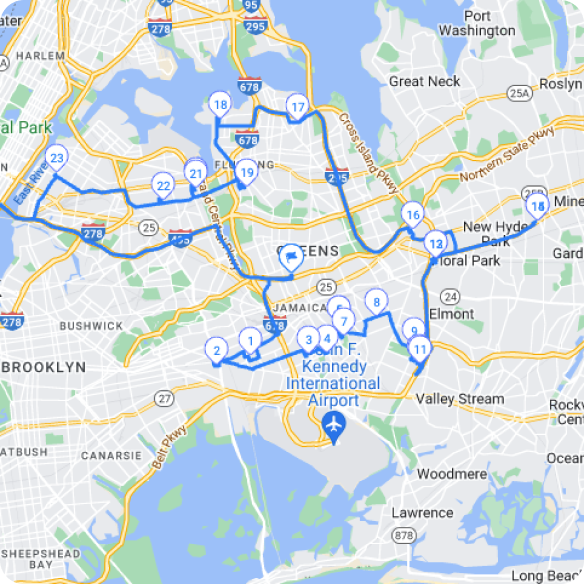
General Route Optimization: Broad-market tools that serve multiple industries. These typically offer the best optimization engines and regular feature updates, with customization options for alarm installation requirements.
DIY Scheduling Tools: Basic platforms that require manual route planning with limited optimization. These work for very small operations but don’t scale effectively.
Kriteria Penilaian
When comparing platforms, focus on these alarm installation-specific factors:
Keupayaan Integrasi: Can the platform connect with your existing CRM, scheduling, and billing systems? Seamless integration eliminates double data entry and reduces errors.
scalability: Will the platform grow with your business? Consider both technician capacity and geographic expansion requirements.
Sokongan dan Latihan: Perisian pengoptimuman laluan involves changing established workflows. Look for platforms offering comprehensive training and ongoing support.
Mobile Reliability: Field technicians depend on mobile access. Evaluate app performance, offline capabilities, and device compatibility.
Zeo Route Planner excels in the general route optimization category, serving over 1.5 million users across 150+ countries with AI-powered optimization that saves 2+ hours daily. The platform’s skill-based assignment, real-time tracking, and mobile app integration make it particularly suitable for alarm installation operations.
Pertimbangan Kos
Route optimization pricing varies significantly based on features and scale:
Per-Technician Monthly: $30-150 per technician per month depending on features and volume
Persediaan dan Latihan: $2,000-10,000 for implementation and team training
Kos Integrasi: $5,000-25,000 for custom integrations with existing systems
Keperluan perkakasan: Some platforms require specific mobile devices or in-vehicle hardware
Factor total cost of ownership over 3 years when comparing platforms, including software costs, implementation expenses, and ongoing support fees.
Implementation Guide: Rolling Out Route Optimization to Your Installation Teams
Successfully implementing route optimization requires careful planning and change management. Here’s a proven approach for alarm installation companies:
Phase 1: Preparation and Data Collection (Weeks 1-2)
Start by gathering the information your route optimization platform will need. Clean, accurate data is crucial for effective optimization.
Customer Database Cleanup: Verify addresses, contact information, and service requirements for all active customers. Incorrect addresses cause route failures and customer frustration.
Technician Skill Documentation: Create detailed profiles for each team member including certifications, clearance levels, specializations, and equipment access. This information drives skill-based assignment.
Vehicle and Equipment Inventory: Document capacity limits, specialized tools, and equipment requirements for each vehicle. Route optimization depends on accurate constraint data.
Historical Route Analysis: Review 2-3 months of historical routes to establish baseline metrics for time savings, fuel costs, and customer satisfaction. You’ll need these numbers to measure ROI.
Phase 2: Platform Setup and Configuration (Weeks 3-4)
Work with your chosen platform’s implementation team to configure the system for alarm installation requirements.
Skill Matrix Configuration: Set up certification levels, security clearances, and specialization codes. Define which technicians can handle which types of installations and service calls.
Customer Constraint Setup: Configure time windows, access requirements, and special handling instructions for each customer location. Include security protocols and emergency contact procedures.
Integration Implementation: Connect your route optimization platform with existing systems like CRM, scheduling software, and billing platforms. Test data synchronization thoroughly before going live.
Mobile App Deployment: Install and configure mobile apps on technician devices. Set up user accounts, permissions, and offline data synchronization. Train IT staff on mobile device management requirements.
Phase 3: Pilot Testing (Weeks 5-6)
Launch route optimization with a small group of technicians to identify and resolve issues before full deployment.
Pilot Group Selection: Choose 2-3 experienced technicians who are comfortable with technology and willing to provide detailed feedback. Include at least one senior technician and one newer team member.
Daily Feedback Sessions: Meet with pilot technicians each day to discuss route performance, app usability, and customer interactions. Document issues and improvement suggestions.
Dispatcher Training: Train dispatch staff on route planning, priority call insertion, and communication features. Practice emergency scenarios and customer service situations.
Pemantauan Prestasi: Track key metrics including route completion times, fuel usage, customer satisfaction scores, and technician feedback. Compare results to historical baselines.
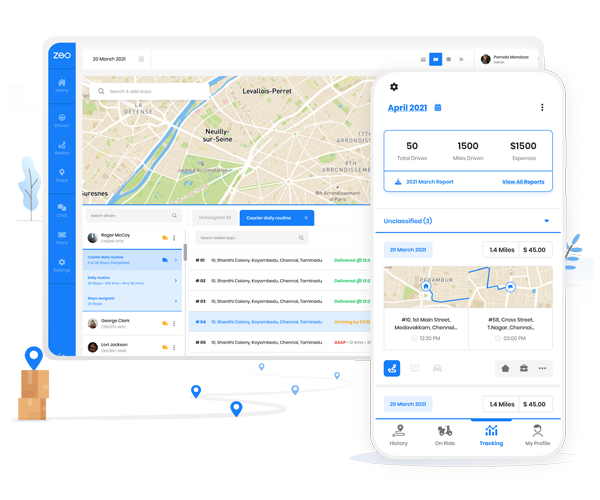
Your fleet managers will use Zeo’s web platform to plan routes and assign them to technicians, who then receive their optimized schedules directly on their phones via the Zeo mobile app. This two-platform approach ensures seamless coordination between dispatch and field operations while providing real-time updates for emergency calls.
Phase 4: Full Deployment (Weeks 7-8)
Roll out route optimization to your entire team with proven processes and resolved issues from the pilot phase.
Technician Training Program: Conduct hands-on training sessions covering mobile app usage, route navigation, customer communication, and emergency procedures. Provide written guides and video tutorials for reference.
Komunikasi Pelanggan: Notify customers about improved scheduling capabilities, real-time arrival notifications, and enhanced service tracking. Set expectations for the transition period.
Penyepaduan Aliran Kerja: Update standard operating procedures to include route optimization steps. Train dispatchers on priority call handling, route adjustment, and performance monitoring.
Sistem Sokongan: Establish help desk procedures for technician questions, technical issues, and emergency routing needs. Ensure 24/7 support availability during the transition period.
Phase 5: Optimization and Refinement (Ongoing)
Route optimization improves over time as the system learns your operation patterns and you refine configurations.
Analisis Prestasi: Review weekly reports on route efficiency, technician productivity, and customer satisfaction. Identify trends and optimization opportunities.
Skill Matrix Updates: Regularly update technician certifications, add new skills, and adjust capacity limits based on performance data. Keep security clearances current.
Penyepaduan Maklum Balas Pelanggan: Monitor customer satisfaction scores and adjust time windows, service procedures, or communication preferences based on feedback.
Penalaan Sistem: Work with platform support to optimize routing algorithms for your specific operation. Adjust priorities, constraints, and objectives as your business evolves.
Cabaran dan Penyelesaian Pelaksanaan Bersama
Technician Resistance: Some team members may resist new technology or changed procedures. Address concerns through training, clear benefits communication, and involvement in the improvement process.
Isu Kualiti Data: Incomplete or incorrect customer data causes route optimization failures. Implement ongoing data validation procedures and customer information update processes.
Integration Complications: Connecting multiple systems often reveals data inconsistencies or process gaps. Plan extra time for integration testing and process refinement.
Customer Confusion: Changes in scheduling or communication may confuse existing customers. Develop clear communication plans and provide extra support during transitions.
Metrik Kejayaan untuk Dijejaki
Monitor these key performance indicators to measure route optimization success:
Kecekapan operasi: Average stops per technician per day, total daily miles driven, route completion percentage
Penjimatan kos: Fuel costs, overtime expenses, vehicle maintenance costs, dispatcher planning time
Kepuasan Pelanggan: On-time arrival percentage, customer satisfaction scores, complaint volume
Pertumbuhan Perniagaan: Job capacity increase, revenue per technician, customer retention rates
Successful route optimization implementation typically shows measurable improvements within 30 days and full ROI within 90 days for most alarm installation companies.
Soalan Lazim
Q: What certifications do alarm installation technicians need for different job types?
Most states require basic alarm installer licenses for residential work, while commercial installations often need Level 2 certifications or higher. Government contracts typically require additional security clearances and background checks. Requirements vary by state, so check with your local licensing board for specific certification levels needed in your area.
Q: How much can route optimization reduce fuel costs for alarm installation companies?
Studies show that optimized routing typically reduces daily driving by 15-25% for service companies. For a 10-technician alarm installation operation averaging 150 miles per day per technician, this translates to annual fuel savings of $30,000-50,000. Zeo Route Planner’s AI-powered optimization helps alarm installation teams achieve these savings while serving 1.5M+ users across 150+ countries.
Q: What’s the biggest challenge in scheduling emergency security calls?
The main challenge is dynamically inserting high-priority emergency calls into existing technician routes while considering skill requirements and proximity. Emergency security breaches can’t wait for tomorrow’s schedule, requiring real-time route adjustments that factor in technician certifications, security clearances, and current locations to minimize response times.
Q: How do time windows affect alarm installation scheduling efficiency?
Customer time windows are critical for alarm installations since many clients have strict availability due to business hours or security protocols. Poor time window management leads to missed appointments, customer complaints, and lost contracts. Effective alarm installer route optimization tools must balance customer preferences with technician efficiency and travel time constraints.
Q: What documentation is required for alarm installation compliance audits?
Regulatory inspections typically require timestamped job completion records, proof of technician certifications for each installation, customer authorization signatures, and equipment serial number tracking. Zeo Route Planner supports compliance through detailed analytics and comprehensive proof of service documentation with photos and signatures, ensuring proper audit trails for security industry regulations.
Route optimization transforms alarm installation operations from reactive scheduling to proactive efficiency. The right platform eliminates manual planning waste, improves customer service, and scales with your growing business.
Start your free trial with Zeo Route Planner today to experience how AI-powered optimization can save your alarm installation team 2+ hours daily while ensuring every technician has the right skills for every job.
Adakah anda pemilik armada?
Ingin menguruskan pemandu dan penghantaran anda dengan mudah?
Kembangkan perniagaan anda dengan mudah dengan Zeo Routes Planner – optimumkan laluan dan urus berbilang pemandu dengan mudah.
meningkatkan penjimatan minyak
Penghantaran & Pengambilan Tanpa Kerumitan!
Optimumkan laluan dengan algoritma kami, mengurangkan masa perjalanan dan kos dengan cekap.
Bermula untuk Percuma