



TL; DR: Business route optimization reduces operational costs by 20-30% through advanced algorithms that minimize travel time, fuel consumption, and labor expenses while maximizing daily service capacity. According to the Bureau of Labor Statistics, labor and fuel represent the largest cost categories for fleet operators, making optimization critical for profitability. Route optimization software like Zeo Route Planner helps businesses achieve these savings through real-time tracking and automated scheduling capabilities.
Business route optimization transforms the way companies plan and execute daily routes for maximum efficiency and minimum cost. For growing businesses managing field teams, delivery operations, or service technicians, effective route optimization can reduce operational costs by 20-30% while dramatically improving customer satisfaction.
Most operations managers at mid-sized companies still rely on manual route planning or basic mapping tools. This approach creates a cascade of hidden costs that compound monthly into significant operational waste.
According to the American Transportation Research Institute (ATRI), fuel and labor represent the largest cost categories for fleet operators. Poor routing multiplies both expenses while reducing the number of customers you can serve daily.
The Hidden Costs of Poor Route Planning for Growing Businesses
Consider a typical 15-technician HVAC operation running daily service routes. Each technician averages 6 stops per day across a metropolitan area. Without optimized routing, drivers spend 40% more time in transit than necessary.
The math becomes painful quickly. Extra driving time translates to overtime pay, higher fuel consumption, and fewer billable hours per technician.
Fuel waste represents just the beginning. When technicians arrive late to appointments, you face angry customers, rescheduling costs, and lost referrals. Service windows become unreliable, forcing your dispatch team to build excessive buffer time into schedules. Implementing proven estratexias de retención de clientes becomes nearly impossible when arrival times remain unpredictable.
Late arrivals create a domino effect throughout your operation. One delayed morning appointment pushes back every subsequent stop, often requiring premium overtime rates to complete the day’s work.
Vehicle maintenance accelerates with unnecessary mileage. Extra wear on brakes, tires, and engines from inefficient routes adds thousands annually to fleet maintenance budgets.
The opportunity cost hits hardest. Poor routing limits daily capacity, preventing growth without hiring additional staff. Companies operating at 60% routing efficiency essentially waste 40% of their operational potential.
Customer complaints increase when arrival times become unpredictable. Residential customers take time off work for service appointments, making punctuality critical for satisfaction and retention.
Core Principles of Effective Business Route Optimization
Territory clustering forms the foundation of efficient routing. Group customers by geographic proximity rather than chronological order or technician preference.
Start with your service area map. Divide territories into logical clusters that minimize crossover between routes. Each technician should work within a defined geographic zone whenever possible. Service industries like plumbing have successfully implemented these strategies, with specialized route planner for plumbing solutions demonstrating significant efficiency gains.
Time windows require careful balancing. Customer preferences matter, but allowing unlimited scheduling flexibility destroys routing efficiency. Establish reasonable service windows that work for both customers and operations.
Priority appointments need strategic placement within routes. Emergency calls and high-value customers deserve preferential scheduling, but avoid placing them at inefficient geographic endpoints.
Traffic patterns significantly impact route performance. Rush hour congestion can double travel time between certain locations. Factor historical traffic data into route planning rather than relying on distance alone.
Vehicle capacity constraints must align with route demands. Match truck sizes and equipment loads to daily stops. Oversized vehicles waste fuel and struggle with parking, while undersized trucks require multiple supply runs.
Driver skills and certifications affect route assignments. Specialized services require trained technicians, limiting routing flexibility. Plan specialized routes separately from general service calls.
Break scheduling impacts total route time. Factor meal breaks, bathroom stops, and rest periods into route planning. Drivers need realistic schedules that account for human needs, not just drive times.
Technology Solutions That Scale With Your Operations
Modern route optimization software processes thousands of variables simultaneously to create optimal daily routes. Advanced algorithms consider traffic patterns, time windows, vehicle capacities, and driver skills to generate efficient schedules.
Planificador de rutas Zeo provides advanced algorithm optimization that processes multiple constraints simultaneously, creating routes that reduce travel time and operational costs for over 10,000 businesses.Real-time tracking capabilities allow operations managers to monitor route progress throughout the day. GPS tracking shows actual vehicle locations, arrival times, and route deviations as they occur. Advanced software de seguimento de controladores enables comprehensive fleet visibility and performance monitoring.
Mobile applications enable drivers to receive route updates, report completion status, and communicate delays immediately. Integration between office dispatch and field operations eliminates communication gaps.
Customer notification systems automatically update clients about arrival times based on real-time route progress. Proactive communication reduces customer complaints and improves satisfaction scores.
Historical data analysis identifies patterns in route performance, customer preferences, and operational bottlenecks. This information guides long-term improvements in territory design and capacity planning.
API integrations connect route optimization with existing business systems. Customer relationship management, billing, and inventory systems can share data with routing software for comprehensive operational coordination.
Cloud-based platforms ensure route data remains accessible during system updates, staff changes, or equipment failures. Reliable access prevents operational disruptions during critical business periods.
Measuring ROI: Key Metrics Every Manager Should Track
Fuel cost reduction provides the most immediate and measurable impact of route optimization. Track gallons consumed per route and cost per mile before and after optimization implementation.

aumentar o aforro de combustible
Entregas e recollidas sen complicacións!
Optimice as rutas co noso algoritmo, reducindo o tempo de viaxe e os custos de forma eficiente.
Comeza gratis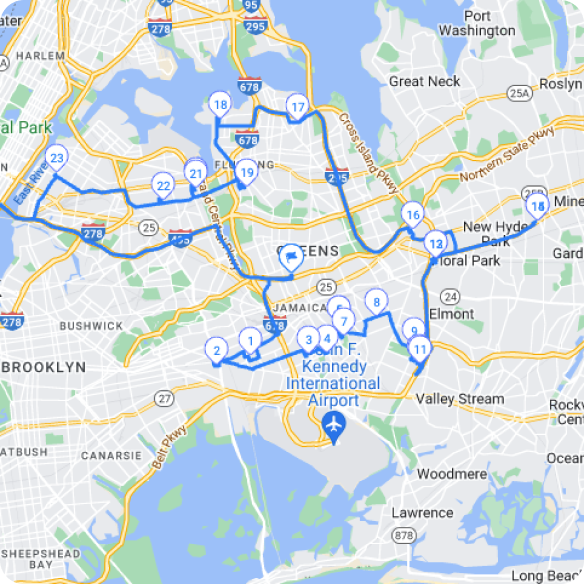
Calculate baseline fuel consumption for a typical month before implementing optimization. Monitor monthly fuel expenses for six months after implementation to establish clear savings documentation. Organizations like those featured in government route optimization case studies have documented significant cost reductions through systematic tracking.
Labor efficiency improvements appear in reduced overtime hours and increased stops per technician per day. Measure average daily stops completed and overtime hours required before and after route optimization.
Vehicle utilization rates show how effectively your fleet operates. Track miles driven per revenue dollar generated and total daily operating hours per vehicle.
Customer satisfaction scores reflect routing quality through on-time arrival rates and service window reliability. Monitor complaint frequencies related to scheduling and arrival times.
o Bureau of Labor Statistics tracks average wages for service technicians, making overtime cost calculations straightforward for ROI analysis. Reduced overtime directly improves profit margins.
Revenue per technician per day indicates operational efficiency gains. Better routing enables more customer visits daily, increasing billable hours without additional labor costs.
Fleet maintenance costs decrease with optimized routing due to reduced unnecessary mileage. Track maintenance expenses per mile driven to quantify vehicle wear reduction.
Customer retention rates improve when service reliability increases. Monitor customer churn rates and new customer acquisition costs to measure routing impact on business growth.
Implementation Strategy for Sustainable Route Optimization
Territory analysis comes first. Map your current service area and identify natural geographic boundaries for route territories. Urban areas, highways, and geographic features create logical territory divisions.
Data collection requires gathering historical information about customer locations, service times, traffic patterns, and driver preferences. Clean, accurate data forms the foundation for effective optimization.
Pilot testing with a small subset of routes proves optimization value before full implementation. Select 3-4 representative routes for initial testing to demonstrate results and identify potential issues. Consulting comprehensive guides like the best delivery route planner software can inform your selection criteria.
Zeo Route Planner offers real-time tracking and precise ETAs that keep managers informed and in control of their fleet operations while providing a user-friendly mobile app that simplifies driver training.
Driver training ensures successful adoption of new routing processes and technology tools. Involve drivers in route planning discussions to gain buy-in and identify practical implementation challenges.
Gradual rollout prevents operational disruptions during the transition period. Implement optimization for additional routes weekly rather than changing all routes simultaneously.
Performance monitoring during the first 90 days identifies optimization effectiveness and areas requiring adjustment. Weekly metric reviews help maintain improvement momentum and address issues quickly.
Customer communication about improved service reliability turns operational improvements into marketing advantages. Inform customers about more accurate arrival times and improved service windows.
Continuous improvement processes capture ongoing optimization opportunities as business conditions change. Seasonal demand patterns, new service areas, and fleet changes require route adjustments.
Emergency protocols ensure operations continue when optimization systems experience technical issues. Maintain backup manual routing procedures and communication methods for system failures.
Preguntas máis frecuentes
Q: How much can route optimization typically reduce fleet operating costs?Most businesses see 20-30% reduction in operational costs through effective route optimization. This comes from reduced fuel consumption, lower overtime costs, and increased daily capacity utilization.
Q: What are the biggest hidden costs of poor route planning?The largest hidden costs include excessive overtime pay, vehicle maintenance from unnecessary mileage, customer churn from unreliable service windows, and opportunity costs from reduced daily capacity. Many operations waste 40% of their operational potential through inefficient routing.
Q: How does business route optimization improve customer satisfaction?Route optimization creates predictable arrival times and reduces service delays, leading to higher customer satisfaction scores. Zeo Route Planner’s real-time tracking and precise ETAs help businesses maintain reliable service windows and proactive customer communication.
Q: What data do I need to implement route optimization successfully?You need historical customer locations, average service times, traffic pattern data, vehicle capacities, and driver skill certifications. Clean, accurate data forms the foundation for effective optimization algorithms.
Q: Can route optimization software integrate with existing business systems?Yes, modern route optimization platforms offer API integrations with CRM, billing, and inventory management systems. Zeo Route Planner provides seamless integration capabilities that connect routing with comprehensive operational coordination across your business systems.
Ready to transform your routing operations from a daily challenge into a competitive advantage? Route optimization technology can reduce your operational costs by 20-30% while improving customer satisfaction and team productivity.
Comeza a proba gratuíta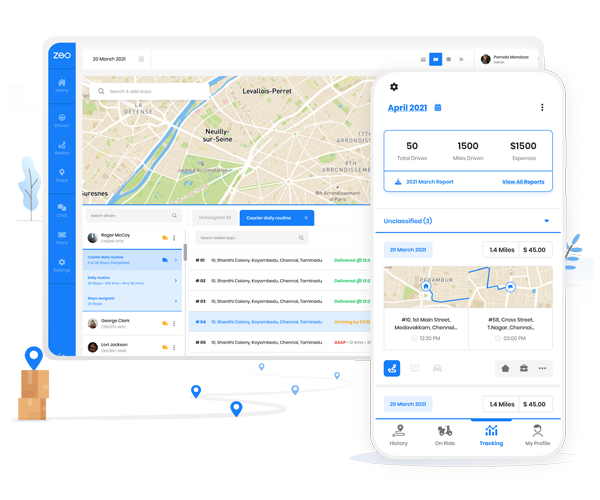
Es propietario dunha flota?
Queres xestionar os teus condutores e entregas facilmente?
Fai crecer o teu negocio sen esforzo con Zeo Routes Planner: optimiza rutas e xestiona varios condutores con facilidade.
aumentar o aforro de combustible
Entregas e recollidas sen complicacións!
Optimice as rutas co noso algoritmo, reducindo o tempo de viaxe e os custos de forma eficiente.
Comeza gratis